Last Updated: October 21, 2026
Last Updated: October 21, 2026





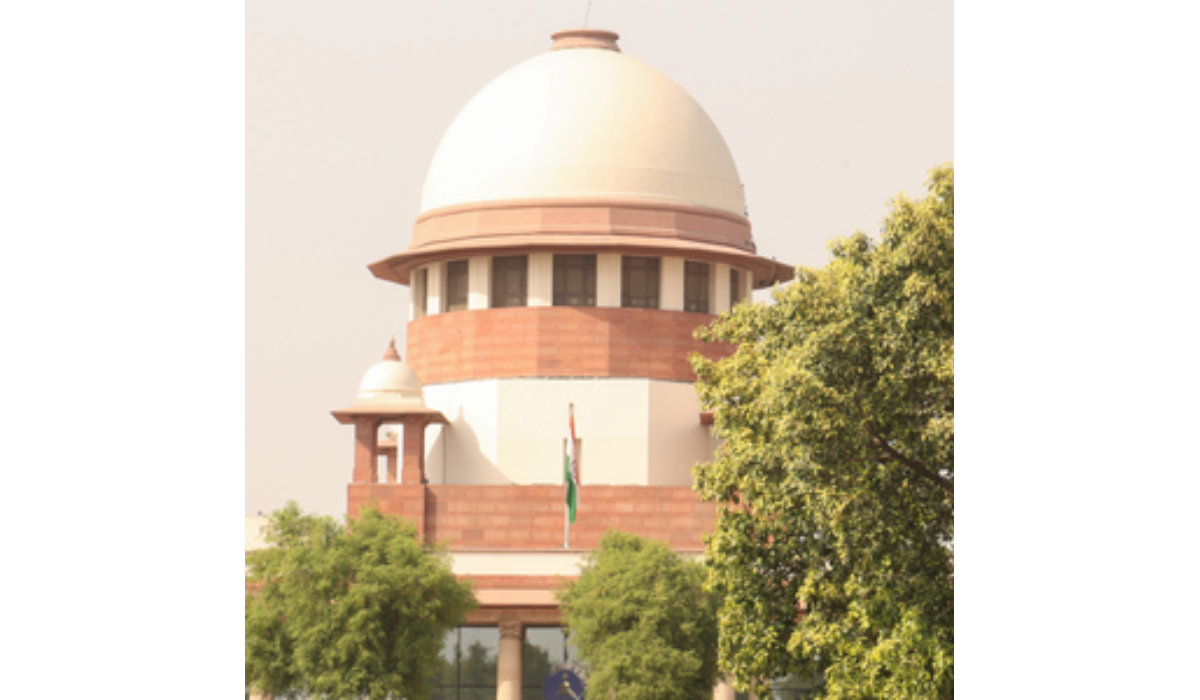
New Delhi: The Supreme Court of India has set aside a bail order granted by the Patna High Court to a man accused in a dowry death case, calling the relief “wholly unsustainable” and criticizing the High Court’s “mechanical approach” in dealing with such a serious offence.
Accused Directed to Surrender Within a Week
A Bench of Justice J. B. Pardiwala and Justice Vijay Bishnoi allowed the appeal filed by the victim’s mother and directed the accused husband to surrender before jail authorities within one week. If he fails to comply, the trial court has been instructed to issue a non-bailable warrant.
Serious Allegations and Medical Evidence Highlighted
The case is based on an FIR registered on September 1, 2024, in Bihar under provisions of the Bharatiya Nyaya Sanhita. The deceased woman, married for around one-and-a-half years, was found dead under suspicious circumstances with multiple injuries.
The FIR filed by her mother alleged dowry demands, harassment, and abuse by the accused and his family, despite substantial dowry already being given. The post-mortem report revealed severe injuries, including skull fracture, ruptured sternum and heart, and multiple abrasions, with death caused by haemorrhage and shock due to head injury.
Top Court Flags Lack of Proper Judicial Scrutiny
The apex court observed that the High Court failed to consider crucial evidence and relied mainly on the duration of custody and slow trial progress while granting bail. It stressed that dowry death cases require deeper judicial scrutiny and warned that a superficial approach could weaken public trust in the justice system.
The court also clarified that even if the case involved suicide linked to dowry harassment, it would still be punishable under the law.
Trial to Be Completed Within Six Months
While cancelling the bail, the Supreme Court made it clear that it was not commenting on the merits of the case. It directed the trial court to complete proceedings expeditiously, preferably within six months, and also ordered that its judgment be shared with the High Court for appropriate consideration.
Four more people, including two women, have been arrested in the Tiger Shroff firing case. Delhi Police are...

We are very proud that at present India is the number one country in the world by surpassing...

Every investor wants the wealth-creating power of equity and the reassuring stability of debt. Balanced Advantage Funds attempt...

Tourism is a major source of government revenue in our country. There are different types of tourism. Scenic...

Good Evening Viewers! Catch up on the day's biggest stories with The Savera Times Evening Bulletin. Get the...

Congress leaders continued their protest outside the Jaipur Police Commissionerate on Tuesday, demanding the registration of a zero...
Aries: The day will be auspicious...