Last Updated: October 12, 2026
Last Updated: October 12, 2026





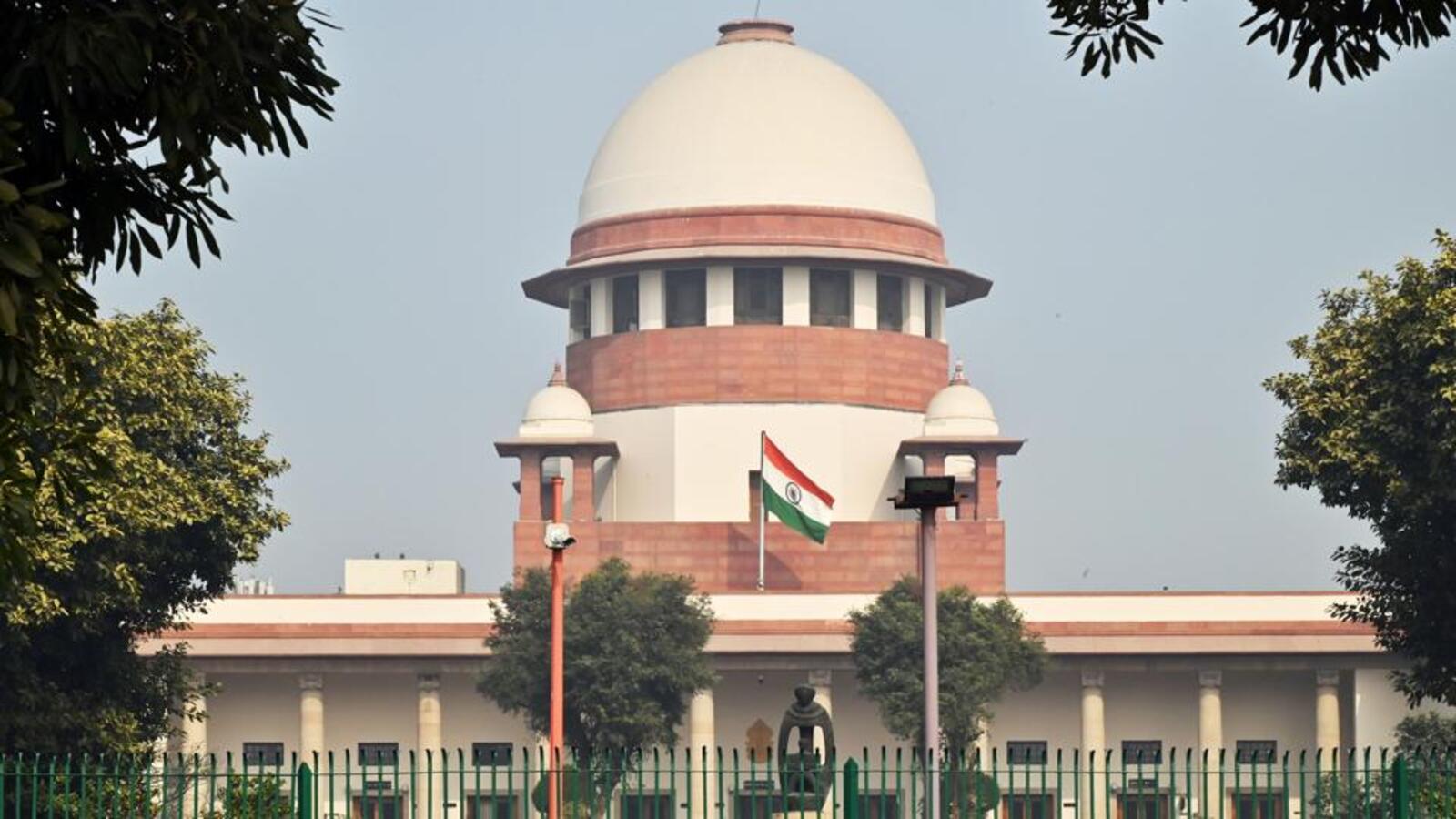
NEW DELHI, Dec 12, 2025 — The Supreme Court of India has granted bail to a man accused of being found in possession of 31.5 kg of ganja during a narcotics operation. The judgment comes after the petitioner arrested under the Narcotic Drugs and Psychotropic Substances (NDPS) Act, 1985 had spent an extended period in judicial custody while his trial awaited commencement.
SC grants bail to man arrested with 31.5 kg ganja https://t.co/Imf7b4Q43x#SupremeCourtIndia #GanjaCase #NDPSAct #RajasthanNews #DrugLawIndia #DeepakBail #JhunjhunuCase #CannabisPossession #CommercialQuantityGanja #IndianLegalNews
— YesPunjab.com (@yespunjab) December 12, 2025
The accused had earlier approached the High Court for bail, which was turned down on the grounds that the seizure involved a commercial quantity of ganja defined for statutory purposes as above 20 kg under the NDPS Act. Commercial quantity cases typically attract stringent bail conditions, requiring courts to be satisfied that the accused is not likely to abscond and will not commit further offences while on bail.
However, the trial had faced substantial delays, with charges not being framed nor evidence fully led for several months a factor that the Supreme Court considered when reviewing the case.
In granting bail, the Supreme Court acknowledged that prolonged pre-trial incarceration without progress toward trial cannot justify indefinite detention, particularly where the accused has already spent substantial time in custody without substantive trial advancement. The top court observed that justice delayed in such circumstances can amount to justice denied, especially where due process is slow to unfold.
While section 37 of the NDPS Act generally makes bail difficult in commercial quantity cases, the Supreme Court has in past rulings emphasized the twin conditions for bail satisfaction that the accused is not guilty of the offence and is unlikely to commit further crimes as part of discretionary justice.
The bail order is subject to strict conditions, including the accused’s regular attendance before the trial court and other directives that may be imposed by the bench. The Supreme Court has entrusted the lower court with oversight of the case and trial progress, ensuring that the matter moves forward without undue delay.
Under the NDPS Act, offences involving commercial quantities of contraband including ganja over 20 kg ordinarily do not attract bail unless the court is satisfied on the twin conditions specified under Section 37. However, prolonged custody without trial and procedural inaction have increasingly been factors that courts consider while balancing individual liberty against statutory constraints.
This bail order underscores the judiciary’s effort to uphold fundamental rights to a fair and speedy trial, particularly in complex narcotics cases where prosecution and trial timelines extend significantly. Legal practitioners note that while NDPS offences are serious due to public health and trafficking concerns, courts also weigh procedural fairness and custodial duration when considering bail applications.
Good Evening Viewers! Stay updated with The Savera Times Evening Bulletin for the latest news from Punjab, India...

eader of the Opposition in the Lok Sabha, Rahul Gandhi and 10 other INDIA bloc leaders have moved...

Amidst protests in central Delhi, the Delhi Metro Rail Corporation (DMRC) announced the reopening of entry and exit...
The Delhi Police has registered an FIR regarding the alleged disturbance at the Bangla Sahib Gurdwara in...

The Delhi Police on Monday removed Jantar Mantar from the list of officially designated protest sites. The police...
The Supreme Court on Monday clarified that it has not passed any judgment on the Election Commission's (ECI)...