Last Updated: October 20, 2026
Last Updated: October 20, 2026





Abhishek Vij
Cases involving religious conversion—that is, the act of renouncing one’s own faith to adopt another—occur frequently in India. A census is scheduled to take place in India shortly, which will also include a caste-based enumeration. According to the 2011 census, the population of individuals who had undergone religious conversion in the state of Punjab constituted 1.26 percent of the total population—amounting to 348,000 people.
Researchers now claim that by 2024–25, this population of converts could rise to between 10 and 15 percent—translating to a range of 2.2 million to 3.2 million people. The actual population figures will only be ascertained after the census; however, reports received thus far allege that approximately 350,000 people underwent religious conversion between 2023 and 2025.
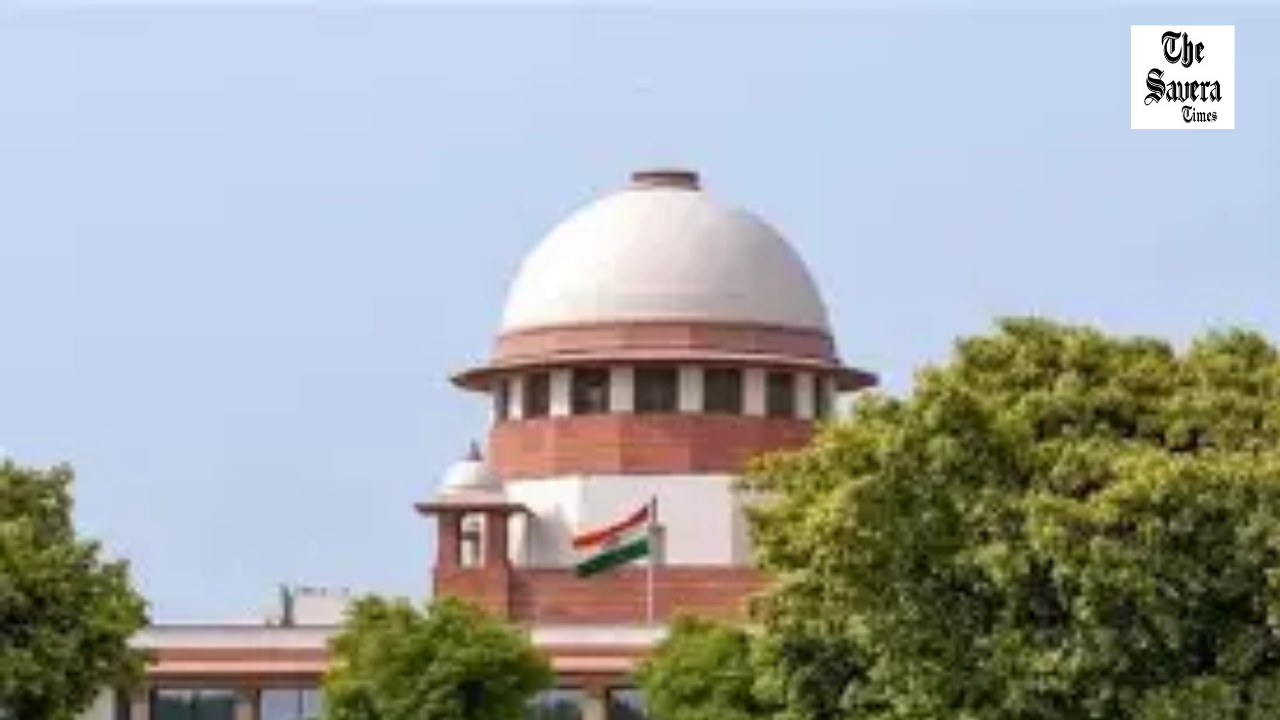
Individuals belonging to the Hindu, Sikh, and Buddhist faiths are eligible to claim benefits reserved for the Scheduled Castes (SC) and Scheduled Tribes (ST) categories based on their caste identity. Driven by inducement or the desire to secure economic benefits, some individuals associated with these religions choose to convert to Christianity. It is pertinent to note that, strictly speaking, the Christian faith does not recognize a caste system. The issue of religious conversion has once again come to the forefront of public discourse following a recent verdict delivered by the Supreme Court of India. The case in question originates from the state of Andhra Pradesh.
The petitioner in the case, Chinthada Anand—who belonged to the Mandiga community within the Hindu faith—had voluntarily converted to Christianity. Following a dispute, he alleged that members of his former community had subjected him to verbal abuse and mistreatment; consequently, he sought legal action against them under the provisions of the SC/ST Act. In May 2025, the Andhra Pradesh High Court dismissed his appeal, reasoning that if an individual belongs to the SC/ST community but has renounced their original faith to embrace another religion, they cannot avail themselves of the legal protections and reservation benefits accorded under the SC/ST Act.
Subsequently, when Chinthada Anand appealed to the Supreme Court, the apex court likewise held that—since he had been practicing Christianity and, at the time of the incident, was even conducting prayer meetings every Sunday—his claim to benefits under the SC/ST Act was rejected on the grounds of his adherence to the Christian faith.
Delivering its verdict on the petition, the Bench clarified that even if an individual possesses a pre-existing SC certificate, the validity of that certificate stands nullified following their conversion to another religion. Post-conversion, one cannot claim the legal protections of reservation or other constitutional benefits based on such prior documentation; these benefits are reserved exclusively for those who originally belong to this specific category. The judiciary reasoned that, having converted, the individual no longer falls within the Dalit category and is, therefore, ineligible to receive the benefits conferred by this special legislation.
This may be regarded as a landmark judgment, establishing that Scheduled Caste status is available solely to individuals professing the Hindu, Sikh, or Buddhist faiths. Should an individual renounce these religions to embrace Christianity or any other faith, their Scheduled Caste status shall automatically stand revoked.
A Supreme Court Bench comprising Justice P.K. Mishra and Justice Manmohan upheld the Andhra Pradesh High Court’s verdict, affirming that following religious conversion, the concerned individual cannot avail themselves of the legal protections and safeguards provided under the Scheduled Castes Act.
Good Evening Viewers! Catch up on the day's biggest stories with The Savera Times Evening Bulletin. Get the...

Congress leaders continued their protest outside the Jaipur Police Commissionerate on Tuesday, demanding the registration of a zero...
On the auspicious occasion of Vijayadashami, Prime Minister Narendra Modi on Tuesday called on the countrymen to unite...
A historic milestone was achieved on Tuesday in the expansion of Chhattisgarh's rail networkA historic milestone was achieved...

Model Shraddha Dubey, one of the main accused in the death of Lucknow businessman Shiv Sharma, has been...
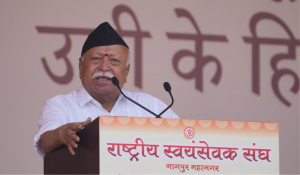
Rashtriya Swayamsevak Sangh (RSS) chief Mohan Bhagwat on Tuesday called for strengthening national unity, social harmony, indigenous practices...
Aries: The day will be auspicious...