Last Updated: October 12, 2026
Last Updated: October 12, 2026





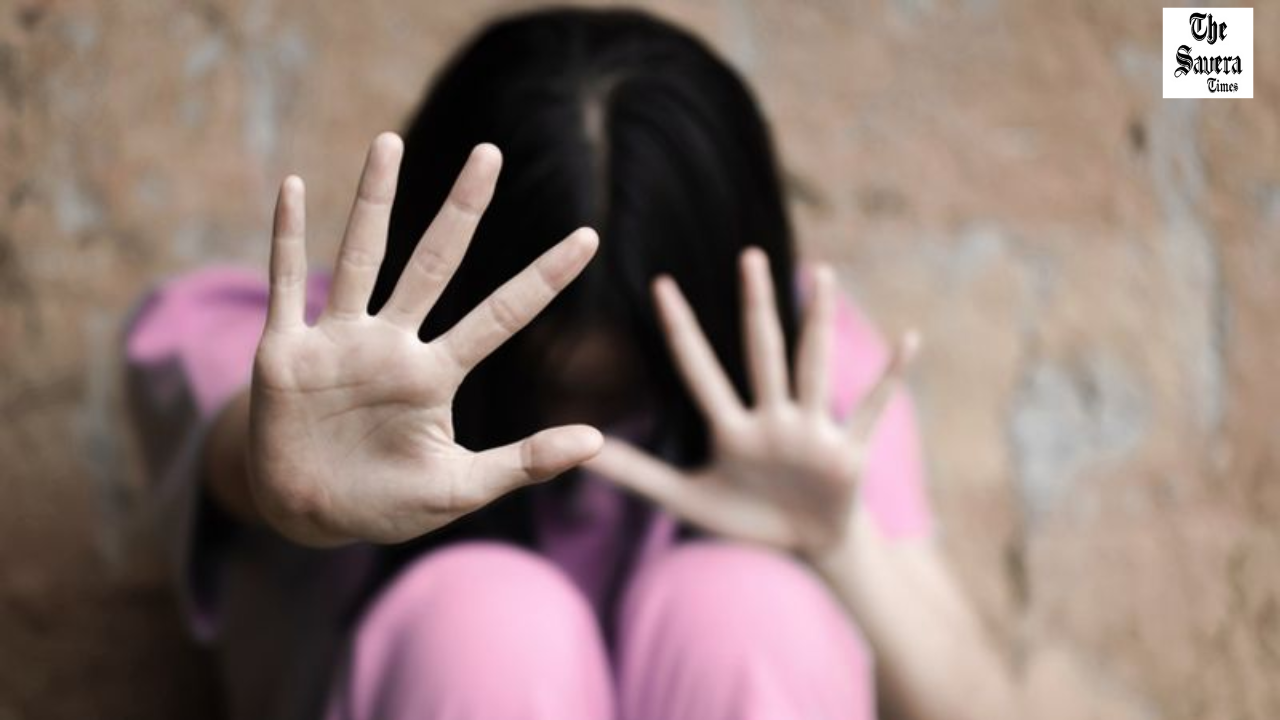
The Supreme Court of India has set aside a controversial March 2025 ruling of the Allahabad High Court, which had held that grabbing a girl’s breasts and breaking her pyjama string did not amount to an offence of attempt to rape. The top court said such actions, based on the allegations, prima facie indicates an attempt to commit rape, and the High Court’s reasoning was a “patently erroneous application” of criminal law principles.
A bench led by Chief Justice of India Surya Kant, along with Justices Joymalya Bagchi and N V Anjaria, made the ruling on February 10, 2026, while disposing of a suo motu plea after taking cognizance of the lower court’s controversial order.
In its earlier order, the Allahabad High Court had said that the actions described grabbing the minor’s breasts, breaking the string of her pyjama and trying to drag her — constituted only preparation to commit a crime rather than an actual attempt to rape. It downgraded the charges to lesser offences such as assault or use of criminal force with intent to disrobe and aggravated sexual assault under the POCSO Act.
However, the top court disagreed, noting that, “the attempt made by the accused persons…” clearly indicated intent and action beyond mere preparation, and restored the original summons issued by the Special Judge (POCSO), Kasganj, under Section 376 (attempt to rape) of the Indian Penal Code and related POCSO provisions.
While setting aside the High Court’s judgment, the Supreme Court also observed that adjudication in sexual offence cases requires sensitivity, compassion and contextual understanding. It has requested the National Judicial Academy to form a committee of experts to draft guidelines for judicial handling of such cases, with an emphasis on clear, empathetic and linguistically accessible reasoning.
The court clarified that its observations are based prima facie on the complainant’s version and do not express any opinion on the guilt of the accused, which will be determined during the trial.
Good Evening Viewers! Stay updated with The Savera Times Evening Bulletin for the latest news from Punjab, India...

eader of the Opposition in the Lok Sabha, Rahul Gandhi and 10 other INDIA bloc leaders have moved...

Amidst protests in central Delhi, the Delhi Metro Rail Corporation (DMRC) announced the reopening of entry and exit...
The Delhi Police has registered an FIR regarding the alleged disturbance at the Bangla Sahib Gurdwara in...

The Delhi Police on Monday removed Jantar Mantar from the list of officially designated protest sites. The police...

The Supreme Court on Monday clarified that it has not passed any judgment on the Election Commission's (ECI)...

Aries: The day will be auspicious...