Last Updated: October 12, 2026
Last Updated: October 12, 2026





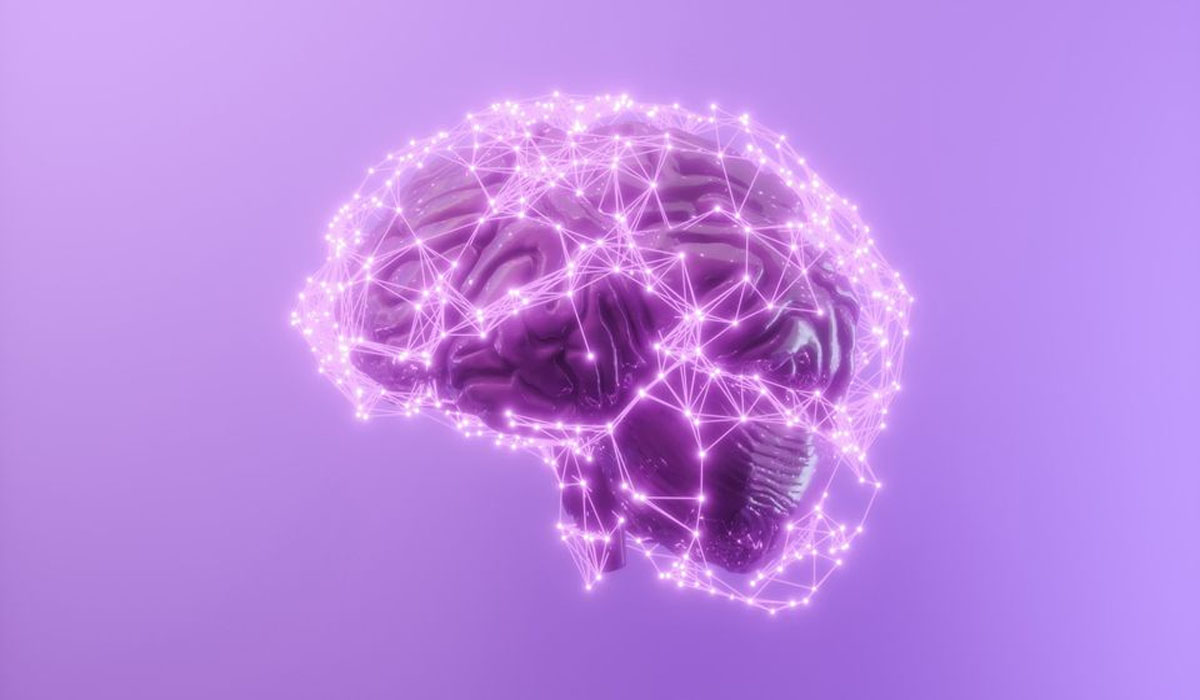
Researchers have, for the first time, directly visualised the process that triggers Parkinson’s disease in human brain tissue, marking a significant step forward in understanding the condition. The breakthrough comes from a team at the University of Cambridge and University College L ondon, who used a newly developed technique called ASA-PD (Advanced S ensing o f A gg re gat e s fo r Parkinson’s Disease).
This method allowed scientists to see, count, and compare clusters of the protein alpha-synuclein, known as oligomers, which are considered prime suspects in the development of Parkinson’s. Oligomers are extremely small protein clusters, only a few nanometres in length, and have long been linked to the disease. However, due to their size and weak signals, they had previously evaded direct detection in human brain tissue. By combining ASA-PD with ultra-sensitive fluorescence microscopy, the research team was able to detect and analyse millions of oligomers in post-mortem brain samples. According to Dr. Rebecca Andrews, who conducted the study during her postdoctoral research at Cambridge’s Y u s u f H a m i e d Department of Chemistry, the technique made it possible to see what had until now been invisible.
“It’s like being able to see stars in broad daylight,” she said, describing the scale of visibility ASA-PD provides. The study, published in Nature Biomedical Engineering, compared brain samples from Parkinson’s patients with those of healthy individuals of similar age. Results showed that oligomers were present in both sets of samples, but in patients with Parkinson’s, the oligomers were larger, brighter, and more numerous.
This indicates a strong connection between their growth and the disease’s progression. Importantly, researchers identified a distinct sub-class of oligomers that appeared only in Parkinson’s brains. These could represent some of the earliest visible markers of the condition, potentially emerging years before s y m p t o m s b e c o m e evident.
“This is the first time we’ve been able to look at oligomers directly in human brain tissue at this scale,” Dr. Andrews said. The discovery opens possibilities for new approaches to early diagnosis and targeted treatment of the disease. Professor Lucien Weiss of Polytechnique Montréal, who co-led the study, said the work could also have wider implications. By pinpointing where and how oligomers form, researchers may be able to focus on specific brain cell types most vulnerable to damage.
Weiss added that similar technologies could be applied to other neurodegenerative diseases, including A l z h e i m e r ’s a n d Huntington’s. Parkinson’s disease affects millions worldwide and is characterised by tremors, stiffness, and difficulty with balance and coordination. While current treatments manage symptoms, there is no cure. Scientists hope that identifying and understanding these oligomers could lead to earlier detection and therapies that slow or prevent the disease’s progression.
Ac There’s no doubt that smoking can cause serious health related problems and also up the risk of...

Are you one of those who exercise daily but are still unable to lose weight? We might have...

Self-medication is a global phenomenon and a potential contributor to antimicrobial resistance. The adverse consequences of such practices...

There is a crucial link and health and the current status of Delhi stands as a testimony to...

A team of researchers has come up with an artificial protein that may block malignant properties of cancer...
If you’re worried about job, money, the status of the world, or anything else, try a moment of...

Aries: The day will be auspicious...