Last Updated: October 12, 2026
Last Updated: October 12, 2026





Deepti Bhardwaj
Delhi based Advocate with 9 years of experience across banking & finance, insolvency and restructuring laws.
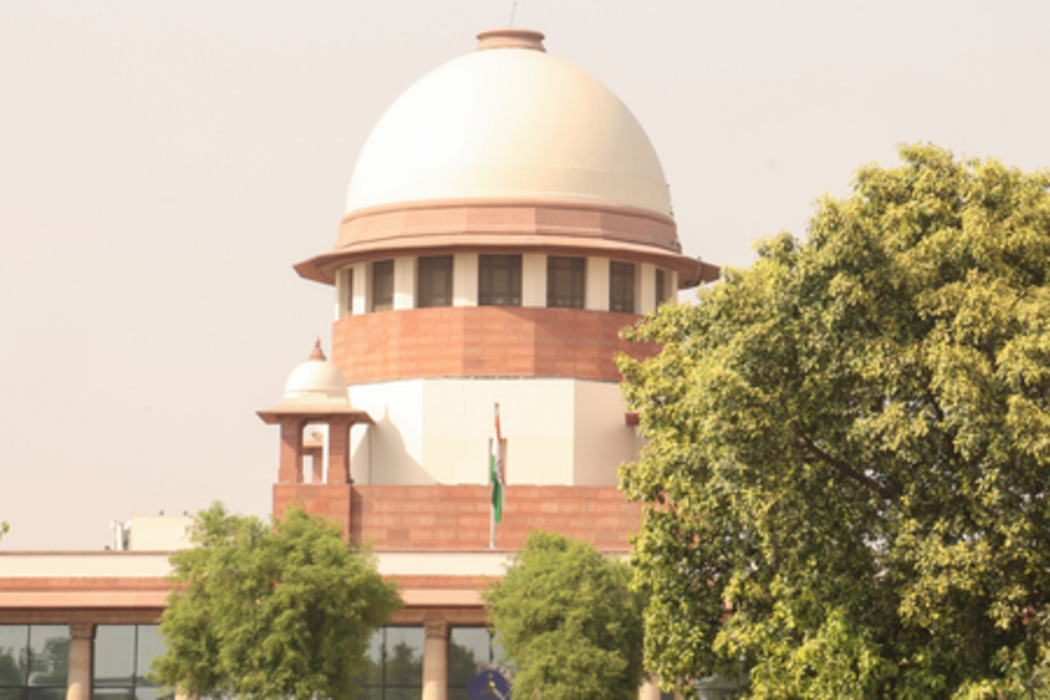
The Supreme Court’s recent verdict in B. Prashanth Hegde V. State Bank of India (Civil Appeal No. 477 of 2022, decided on February 12, 2026) brings into sharp focus a distinction every banker must internalize; the date of default under the Insolvency and Bankruptcy Code, 2016 is not the same as the NPA declaration date under RBI regulations. Conflating the two is an error in law.
The Factual Conspectus SBI, on behalf of a consortium filed a Section 7 petition against Metal Closure Private Limited alleging defaults exceeding INR 280 crores. The Corporate Debtor objected to the admission on the ground that the right to apply had accrued more than three years before filing. Crucially, SBI’s internal records per the RBI Master Circular dated July 1, 2013shifted the NPA date back to January 31, 2010, even though restructuring continued through 2014, with the last Working Capital Consortium Agreement executed on March 21, 2014. The Section 7 petition was filed on April 25, 2018.
NPA Date vs. Date of Default
How a bank classifies debt for provisioning under RBI guidelines is entirely irrelevant to limitation under IBC. The NPA declaration date is a regulatory event; the date of default is a legal event. They need not coincide. Under RBI’s IRAC norms, a loan is classified NPA after 90 days of being overdue. In restructured accounts that subsequently fail, RBI may shift the NPA date backwards for provisioning and capital adequacy purposes — as occurred here. Under IBC, however, Section 3(12) defines default as non-payment of a debt due and payable. In a restructured account, the legal default may be pegged to the latest restructuring agreement, not the original date of non-payment.The Court confirmed that the NPA dates arising from post-restructuring failure — May 28, 2014 (SBI), June 30, 2014 (PNB), October 10, 2014 (Corporation Bank), and December 31, 2014 (UCO Bank) — were the relevant dates for limitation, notwithstanding the RBI-mandated NPA date of January 2010.
The Converse Proposition Equally Important
If the amount in default crosses Rs. 1 crore even before formal NPA declaration, nothing in law prevents immediate filing of a Section 7 petition. IBC does not condition a financial creditor’s right upon NPA classification. In practice, banks invariably wait for NPA classification, creating a risk of a limitation trap — particularly where restructuring and acknowledgments of liability have not been carefully documented.
The Acknowledgment Route A Life-Saver, Not a Planning Tool
The Supreme Court upheld admission because the Working Capital Consortium Agreements and the corporate debtor’s own balance sheets for FY 2013–14 and 2014–15 constituted valid acknowledgments extending the limitation period. However, reliance on acknowledgments is remedial, not a substitute for diligence. Bankers must identify and document the actual date of default at the time of its occurrence and file Section 7 petitions within time — without waiting for the clock to run dangerously close to expiry.
Key Takeaways for
Bankers
Build your IBC case around the legal date of default, not the regulatory NPA date. Document every restructuring event, every Working Capital Consortium Agreement, and every acknowledgment of liability in term sheets, sanction letters, correspondence, SARFAESI replies and balance sheets. Ensure the Section 7 application identifies the correct date of default and traces every subsequent acknowledgment that keeps the limitation clock alive.
Courts have consistently held, and this judgment reaffirms, that IBC requires banks to think in terms of financial debt, default and limitation not NPA classification and regulatory provisioning. The sooner this distinction is embedded in every bank’s credit and legal teams, the fewer cases will be lost on limitation grounds
Amidst heavy security and barricades by the Delhi Police, INDIA Bloc leaders began a protest march towards the...
The Reserve Bank of India (RBI)'s new measures to curb speculation in the rupee and maintain stability in...

Gold exchange-traded funds (ETFs) witnessed a sharp rise in investor interest in September, with net inflows surging 71.4...

Rahul Gandhi accused the Modi government of protecting Chief Election Commissioner Gyanesh Kumar, criticised security restrictions in Delhi...

Chief Justice Surya Kant said every citizen can approach the Supreme Court through a petition after declining a...

A major fire broke out at a scrap warehouse opposite the Maruti Temple in Sangameshwar, Maharashtra, around midnight....

Aries: The day will be auspicious...