Last Updated: October 20, 2026
Last Updated: October 20, 2026






Abhishek Vij
Amidst environmental pollution, global warming, and a lack of human foresight, unpredictable weather has struck the common people early in the year. The figures regarding Gross Domestic Product (GDP) and income that have recently come to light indicate that, while the country’s growth rate undoubtedly remains the fastest in the world, the tourism sector—often regarded as a “cash cow”—appears to be ailing due to the crisis triggered by extreme weather conditions and the negligence of the administrators responsible for mitigating its impact. A significant portion of the nation’s revenue is derived from the tourism and service sectors, whereas the contribution from the construction and agricultural sectors is comparatively smaller.
Last year, adverse weather conditions led to a decline in tourism-related revenue in the states of Himachal Pradesh, Uttarakhand, and Jammu & Kashmir. This year, the situation remains largely the same. As soon as the snowfall began, roads started becoming impassable. The threat of landslides and water seepage in the mountains once again began to rear its head.
People typically head to the mountains for scenic tourism, while they visit religious sites for spiritual tourism. However, as far as mountain tourism is concerned, the onset of snowfall resulted in massive traffic jams on slippery roads. Despite the administration’s assurances, tourists repeatedly found themselves stranded amidst the snow. The government had taken several measures to boost tourism in the Kullu-Manali region; however, when tourists began facing distress in Manali itself, a consequent loss of revenue became inevitable. The administration’s negligent conduct and a lack of coordination with tourists are currently precipitating a crisis within the tourism sector. In Himachal Pradesh, destinations such as the Atal Tunnel, Rohtang, and Manali are renowned tourist spots famous for their snowfall.
Despite being equipped with state-of-the-art instruments, the Meteorological Department is proving to be less effective than expected in providing accurate, advance weather forecasts. The Meteorological Department had issued a warning regarding the likelihood of snowfall, and meetings were subsequently held with disaster management authorities to discuss rescue measures. However, the outcome remained unchanged: the Manali-Kullu National Highway was blocked due to the snowfall, leaving tourists stranded and compelled to endure significant hardships. This is a recurring phenomenon that takes place every year. Due to environmental pollution, weather patterns have become increasingly erratic and severe, thereby creating difficulties for tourists.
Questions must also be raised regarding the administration: if it was known in advance that the situation could deteriorate, why were large numbers of tourists permitted to visit these sensitive locations? Why was the number of tourists not restricted? Non-governmental organizations (NGOs) and social groups are well aware that tourists constitute a major source of revenue for these destinations; therefore, they, too, should step forward to fulfill their responsibilities and assist the tourists.
Good Evening Viewers! Catch up on the day's biggest stories with The Savera Times Evening Bulletin. Get the...

Congress leaders continued their protest outside the Jaipur Police Commissionerate on Tuesday, demanding the registration of a zero...
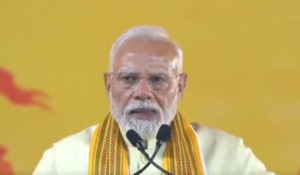
On the auspicious occasion of Vijayadashami, Prime Minister Narendra Modi on Tuesday called on the countrymen to unite...
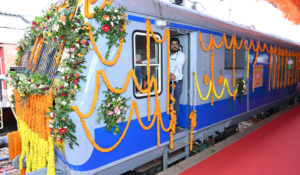
A historic milestone was achieved on Tuesday in the expansion of Chhattisgarh's rail networkA historic milestone was achieved...
Model Shraddha Dubey, one of the main accused in the death of Lucknow businessman Shiv Sharma, has been...

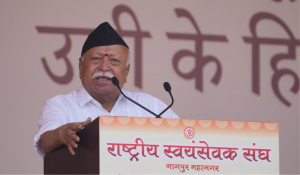
Rashtriya Swayamsevak Sangh (RSS) chief Mohan Bhagwat on Tuesday called for strengthening national unity, social harmony, indigenous practices...
Aries: The day will be auspicious...