Last Updated: October 18, 2026
Last Updated: October 18, 2026





Abhishek Vij
The global community had hoped that the ongoing
temporary ceasefire between the United States
and Iran might, following some progress in
negotiations, evolve into a permanent truce;
however, this hope does not appear likely
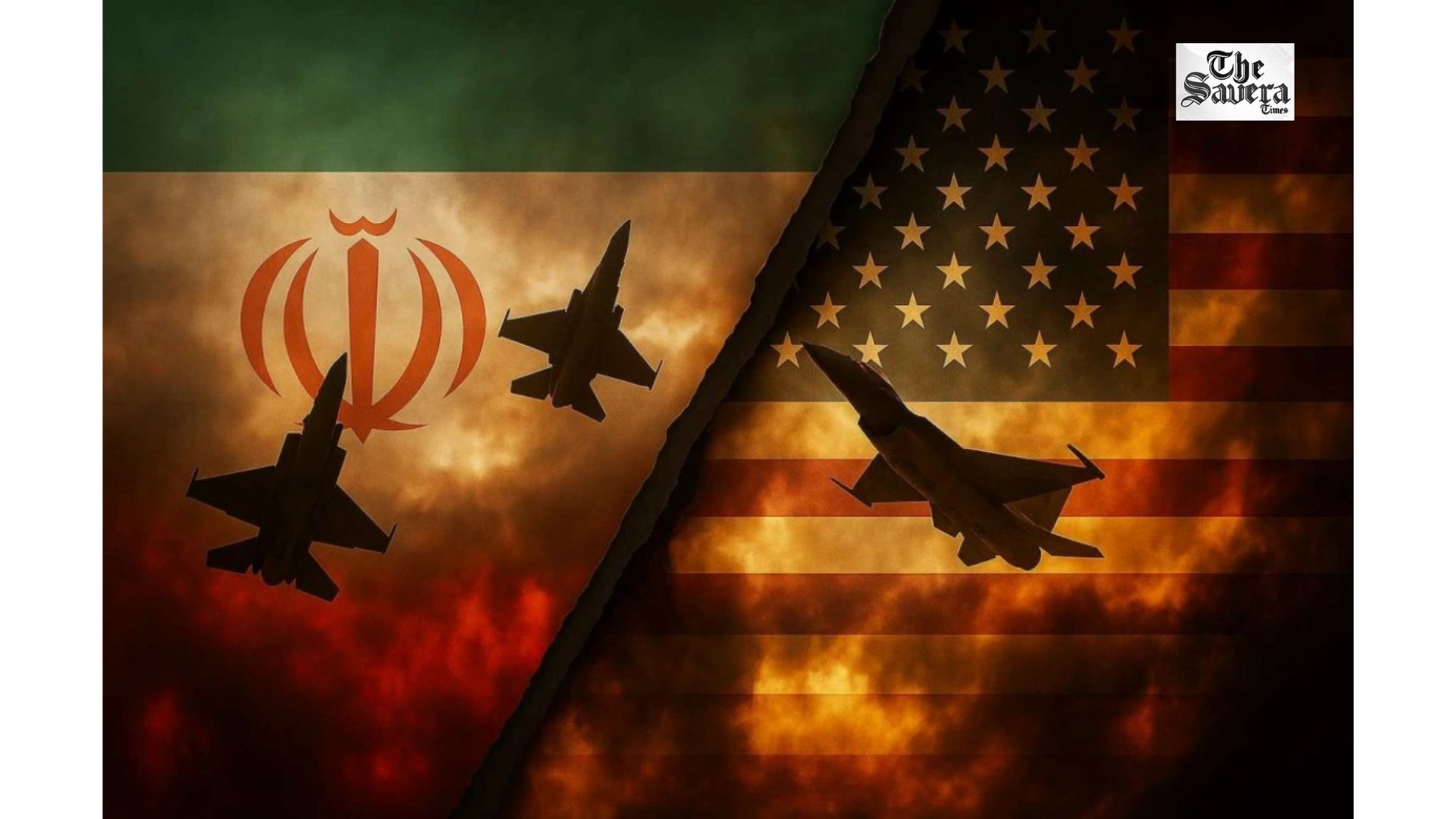
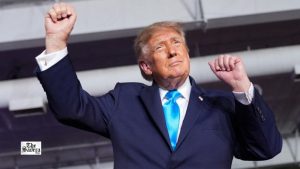
to be realized. On May 2, US President Donald Trump
announced “Project Freedom”—an initiative aimed at
safely extracting ships stranded in the Strait of Hormuz
in accordance with international law. Tensions escalated
further after an incident in which a South Korean cargo
vessel reportedly caught fire following alleged gunfire from
Iranian forces. The US military subsequently reported
that, under Project Freedom, six small Iranian boats were
attacked and sunk on Tuesday, while incoming Iranian
missiles were intercepted and destroyed mid-air.
US military spokesperson Bradley Cooper stated that
US forces successfully escorted two merchant vessels to
safety. The operation involved the deployment of warships,
fighter jets, helicopters, and drones. Thus far, only two
vessels have been escorted through; however, the future
objective is to facilitate the safe passage of 20 to 30 ships
daily. In response, Iran asserted that while two of its
vessels were indeed targeted, they did not belong to the
Iranian military; rather, they were two small cargo ships
traveling from Oman to Iran. These vessels were laden
with essential commodities. Iran further claimed that five
people were killed in this attack. Prior to this, on Monday,
Iran launched a drone attack on the Fujairah oil port in the
UAE, triggering widespread fires across the facility. Three
Indian nationals sustained serious injuries in the attack.
India has lodged a strong protest regarding the casualties
suffered by its citizens, and Prime Minister Narendra Modi
has categorically stated that attacks targeting civilians and
critical infrastructure will not be tolerated.
It is noteworthy that, until now, a nominal ceasefire
had been in effect between the two sides. Donald
Trump had also expressed the intention that once the
proposals put forth by Iran were fully revealed, and after
due consideration, a lasting peace could potentially be
established. However, a flaw in the intentions of both
parties was evident from the very beginning, as the entire
focus of both sides was directed toward seizing control of
the Strait of Hormuz. Under the pretext of a blockade, the
U.S. had sealed off the route through the Gulf of Oman,
while Iran had imposed restrictions on the movement
of ships through the Strait of Hormuz, barring passage
without its explicit permission. Consequently, a large
number of oil and gas tankers had been stranded in the
region for several days. Both parties stubbornly turned a
blind eye—and a deaf ear—to the severe supply crisis that
had emerged in most nations as a result of this standoff. It
is only now that the U.S. has finally conceived the idea of
providing a safe passage.
Trump had indeed instructed Pakistan’s Field Marshal
Asif Munir to bring Iran to the negotiating table by May 15;
however, recent actions by Iran have provided the U.S. with
a pretext to launch a second phase of the conflict. While
announcing the sinking of Iranian vessels, Trump issued
a stern warning: if Iran does not mend its ways, “we will
obliterate it from the face of the earth.”
Nepal is seeking substantial financial assistance from India ahead of Prime Minister Balendra Shah’s proposed visit to New...

The race to succeed Antonio Guterres remains uncertain after three leading candidates faced opposition from two permanent members...

Democratic lawmakers have criticised Donald Trump for waiving key sanctions and tariff provisions under the Graham Act, citing...
Shipping Minister Sarbananda Sonowal confirmed that all 24 Indian seafarers aboard two vessels struck in separate incidents in...
Katie Zacharia has left her role as White House press secretary less than a week after her appointment....
US President Donald Trump has praised Kaylub Giamanco for intervening during a shooting at Silver Rail Elementary School...
Aries: The day will be auspicious...