Last Updated: October 21, 2026
Last Updated: October 21, 2026





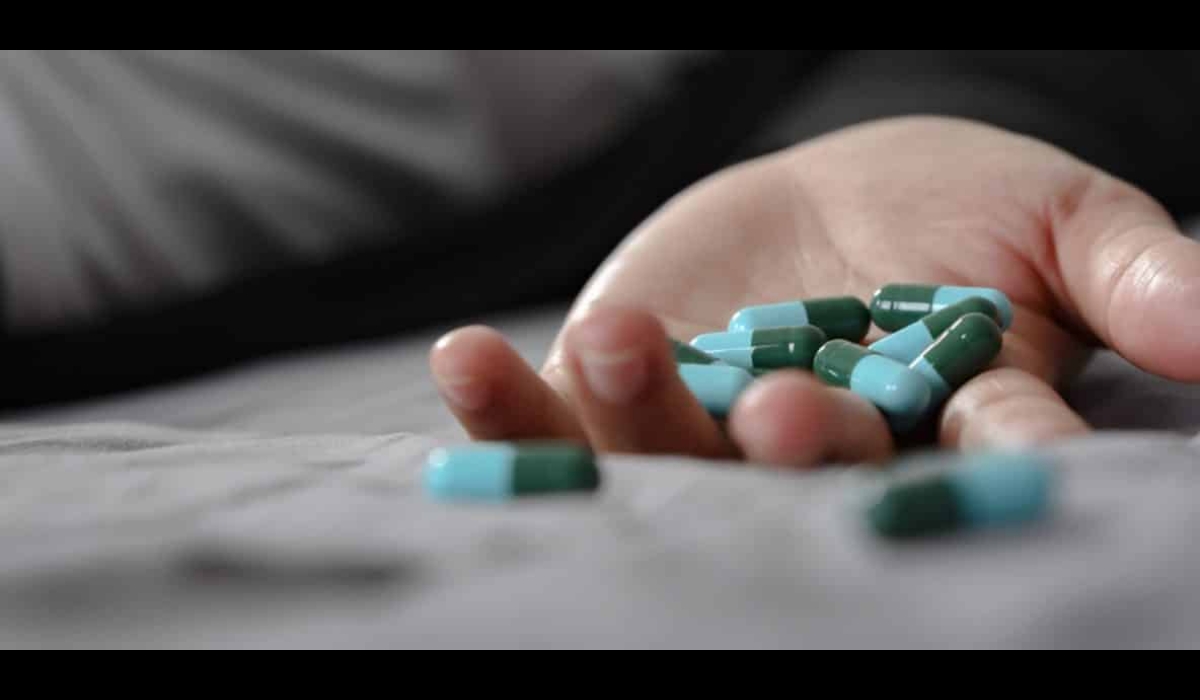
In many parts of India, especially in remote, hilly, or rural regions, the practice of self‑medication has become a growing public health concern. Faced with limited access to qualified healthcare, long distances to clinics or hospitals, and significant out-of-pocket costs, people often resort to purchasing medicines directly from local pharmacies or medical stores without a valid prescription. While this might seem like a quick fix, self‑medication can lead to a host of serious problems—including misdiagnosis, inappropriate drug use, delayed treatment of underlying conditions, and dangerous side effects. The implications are far-reaching, not only for individuals but also for the broader healthcare system.
One of the primary reasons for the widespread prevalence of self‑medication in India is the limited availability of qualified medical professionals in many rural or mountainous areas. In some districts, there are very few doctors and healthcare centres, and reaching them may require travelling long distances across difficult terrain. Public healthcare infrastructure, though improving, remains stretched and under-resourced in many such places. Consequently, people tend to rely on whatever options are locally available, often approaching local pharmacists or even unqualified practitioners. Moreover, the cost factor cannot be ignored. Medical consultations, diagnostic tests, and hospital stays often entail high expenses, especially for low-income families. As a result, many view the purchase of over-the-counter (OTC) drugs or known remedies as a more affordable and convenient alternative.
In addition to accessibility and cost, convenience plays a significant role. Taking time off work, waiting in long queues at government hospitals, or making repeated trips to doctors can be a deterrent, especially for daily wage earners. Cultural norms also influence this behaviour. In many Indian households, traditional remedies and family advice are prioritised over formal medical consultation. With increasing internet penetration, a growing number of people turn to online sources—search engines, social media, mobile apps—to self-diagnose and decide their own treatments, which may not always be accurate or safe.
However, the consequences of self‑medication are often underestimated. One of the gravest risks is misdiagnosis. A person treating themselves for a simple fever might overlook the possibility of a more serious underlying illness like tuberculosis, typhoid, or dengue. This not only delays proper treatment but can also worsen the disease, making it harder to manage later. Incorrect dosage is another common issue. Medicines like paracetamol, though generally safe, can cause liver damage when taken in excess. Similarly, taking antibiotics for viral infections is not only ineffective but also contributes to growing antimicrobial resistance—an urgent concern in India. According to experts, India has one of the highest rates of antibiotic misuse in the world, and improper self-medication is a significant contributor.
The problem becomes even more complex when people use multiple drugs simultaneously without understanding potential interactions. Many over-the-counter drugs, including painkillers, cough syrups, and steroids, carry the risk of serious side effects when misused. Non-steroidal anti-inflammatory drugs (NSAIDs) like ibuprofen and diclofenac can harm the kidneys or cause stomach bleeding, particularly when taken over long periods or by people with pre-existing conditions. Similarly, certain cough syrups containing sedatives or codeine can depress breathing, especially in children, and may even lead to dependency. The elderly, pregnant women, and individuals with chronic conditions like diabetes, liver disease, or heart issues are particularly vulnerable to such risks.
A growing trend of habitual use or even addiction to certain “safe” medications is emerging. People who begin with occasional use of painkillers or sedatives may gradually develop dependence, leading to prolonged misuse and long-term harm. This is not just a medical issue, but also a social and psychological one, especially in areas where mental health services are scarce. The economic impact of self‑medication is another underappreciated aspect. While people may believe they are saving money by avoiding doctor visits, the costs associated with complications, hospitalisation, and long-term health issues often far exceed the initial savings. For many families, this means additional loss of income, increased debt, and a lower quality of life.
Several recent incidents in India have highlighted the risks of unregulated access to medication. For example, in October 2025, the government declared three cough syrups toxic after they were linked to child deaths due to contamination with diethylene glycol—a highly toxic substance. In many such cases, families had unknowingly bought these syrups assuming they were safe, only to suffer tragic consequences. Medical associations have also repeatedly warned against the unsupervised use of such syrups in young children, noting that certain ingredients can lead to serious health issues including respiratory depression.
Remote areas face unique challenges that exacerbate these problems. In mountainous regions like parts of Kashmir or the North-East, the scarcity of doctors and healthcare infrastructure makes professional advice inaccessible for weeks or even months. Local pharmacies are often manned by individuals without adequate training, and many operate informally, dispensing prescription drugs without proper documentation. Additionally, public health messages often do not reach these communities effectively due to linguistic and cultural barriers. Traditional beliefs, mistrust of outsiders, and lack of awareness all contribute to people continuing to treat illnesses at home, often with unsafe or ineffective medications.
Addressing this growing hazard requires a comprehensive and multi-faceted strategy. First and foremost, the healthcare system must be strengthened, particularly at the primary level. More rural health centres, community clinics, and sub-centres with trained staff must be established to bring services closer to where people live. Mobile health units that travel to remote villages regularly can provide not only consultations and basic medicines but also preventive care and health education. Telemedicine is another powerful solution. By connecting patients in remote areas with doctors via video calls or mobile apps, people can receive professional advice without needing to travel long distances.
Regulatory measures must be strictly enforced. Despite laws that require prescriptions for antibiotics and certain drugs, enforcement is weak. Authorities must ensure that pharmacies adhere to these rules, and there should be regular inspections to monitor compliance. Equally important is the need for public awareness campaigns. These should be tailored to local languages and cultures, using radio, television, school programs, and community meetings to spread messages about the risks of self‑medication. Educating mothers, elderly caregivers, and youth can have a significant impact in changing long-standing habits.
Pharmacists and medical shopkeepers should also be brought into the solution. Since they are often the first point of contact, providing them with proper training and support can empower them to guide customers responsibly, refer serious cases to doctors, and refuse to sell harmful medicines without prescription. The government must also make healthcare more affordable. Subsidising essential medicines, providing travel allowances for medical visits, or setting up free health camps can reduce the financial barriers that push people toward self‑medication in the first place. Lastly, more data needs to be collected about self‑medication trends in different regions to help guide policy, track improvements, and identify hotspots of concern.
In conclusion, self‑medication in India is not just an act of convenience—it is a symptom of deeper systemic gaps in healthcare accessibility, affordability, and public education. While the problem affects the entire country, it is particularly acute in remote and underserved areas. Combating this issue will require more than just regulating pharmacies; it will need real investment in primary care, community awareness, digital health solutions, and better training for those on the frontline. Only by addressing the root causes can we ensure that self‑medication becomes a rare exception instead of a dangerous norm, and that every Indian—regardless of where they live—has access to safe, professional, and effective healthcare.
Amit Shah paid tribute to police personnel who died in the line of duty at the National Police...

Reduced water levels at Har Ki Pauri and other Haridwar ghats have inconvenienced pilgrims during the Upper Ganga...

Six people returning from a Dussehra Mela were seriously injured when a car hit them on National Highway...

A bus travelling from Pachiound to Ramnagar fell into a gorge at Gulli Gula in Udhampur district. Nine...

Start your day with The Savera Morning Brief, bringing you the latest news from India and around the...

Union Home Minister Amit Shah will pay tribute to police martyrs at the National Police Memorial in New...

Aries: The day will be auspicious...