Last Updated: October 14, 2026
Last Updated: October 14, 2026





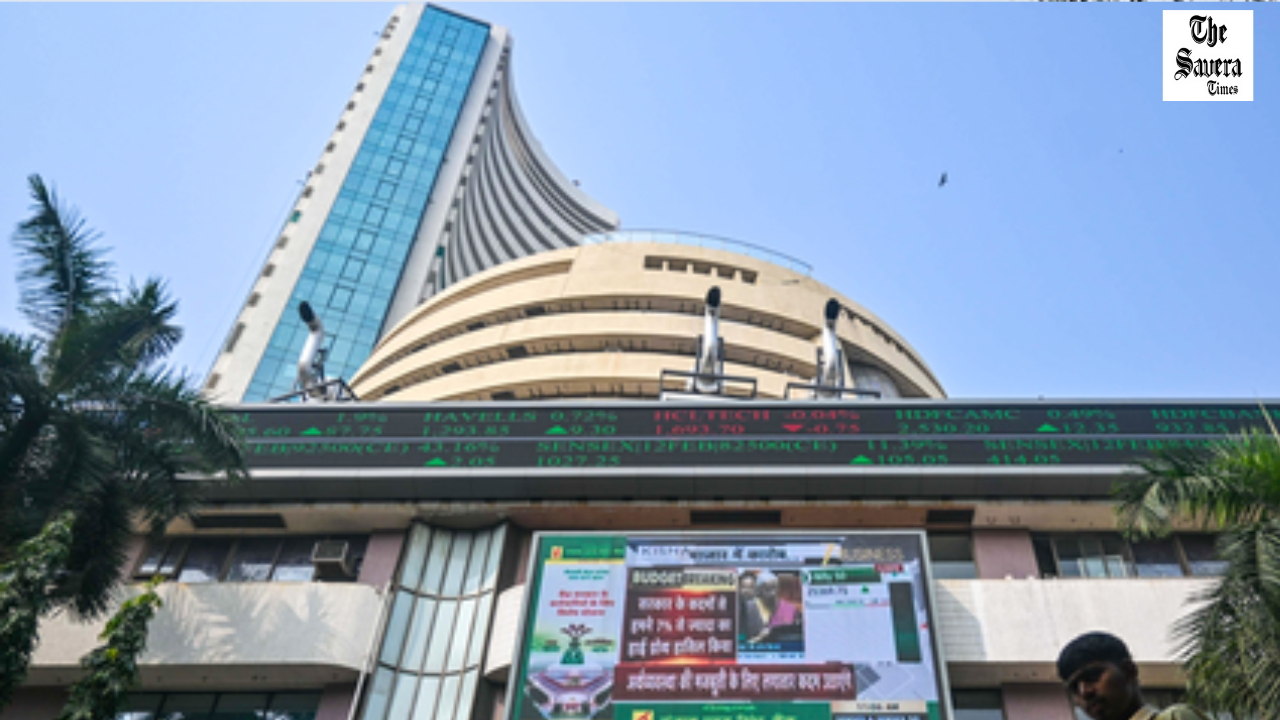
Indian equity markets witnessed early losses on Friday as investors reacted cautiously to rising geopolitical tensions and a sharp rise in global crude oil prices. Both the benchmark indices BSE Sensex and Nifty 50 opened in the red during morning trade, reflecting weak sentiment across global markets.
Market participants remained concerned about escalating conflicts in West Asia, which have pushed crude oil prices higher and created uncertainty for global financial markets. The rising oil prices are seen as a major risk for economies that rely heavily on imports, including India.
Analysts say the primary trigger behind the early decline in Indian markets was the growing geopolitical tension in the Middle East. The ongoing conflict involving Iran has increased fears of supply disruptions in global energy markets, pushing crude oil prices to around $100 per barrel.
Higher crude oil prices can increase inflationary pressures and widen India’s current account deficit, which often leads to cautious behaviour among investors in the stock market.
Global investors are closely monitoring developments in the region, as any further escalation could have serious implications for energy markets and global economic stability.
Most sectoral indices on the stock exchanges traded in negative territory during the early session. Shares of information technology, banking and automobile companies faced selling pressure as investors preferred to stay on the sidelines amid uncertainty.
However, some oil and gas stocks managed to hold relatively steady as higher crude prices often improve the outlook for energy companies. Defensive sectors such as FMCG and pharmaceuticals also showed limited declines compared to the broader market.
Market experts noted that volatility is likely to remain high until global geopolitical tensions ease.
Weak cues from international markets also weighed on Indian equities. Major stock indices in the United States and Asia had closed lower amid concerns over rising oil prices and geopolitical risks.
Investors worldwide are shifting towards safer assets such as gold and government bonds, reducing exposure to equities. This trend has affected emerging markets like India, which often experience foreign fund outflows during periods of global uncertainty.
The movement in global markets continues to play an important role in shaping the direction of domestic indices.
Market analysts have advised investors to remain cautious and avoid aggressive trading during periods of heightened geopolitical uncertainty. Short-term volatility may continue as global developments influence oil prices and investor sentiment.
Experts suggest that investors should focus on fundamentally strong companies and avoid panic selling, as markets tend to stabilise once geopolitical tensions begin to ease.
Despite the early decline, market observers believe that the long-term outlook for Indian equities remains stable due to strong economic fundamentals and consistent domestic investment flows.
However, in the near term, the direction of the markets will largely depend on global developments, particularly the situation in West Asia and fluctuations in crude oil prices.
If geopolitical tensions intensify further, the stock market could remain volatile, but any signs of diplomatic resolution may quickly improve investor confidence and bring stability to the markets.
Washington: The Trump administration has moved to scrap a rule that lets H-1B and other skilled foreign workers...

What happens when the world’s richest technology entrepreneur puts his money, social media platform and political influence behind...

Chandigarh: Condemning the murder of anti-drug activist Parvinder Singh Jhota, BJP Rajya Sabha MP from Punjab Raghav Chadha...

Jammu: Joint security forces recovered a cache of arms and ammunition during a search operation in Jammu and...

New Delhi: The Centre on Tuesday cleared the appointment of two judicial officers as Additional Judges of the...
New Delhi: The Supreme Court on Tuesday issued notice to the Centre and the Election Commission of India...
Aries: The day will be auspicious...