Last Updated: October 12, 2026
Last Updated: October 12, 2026





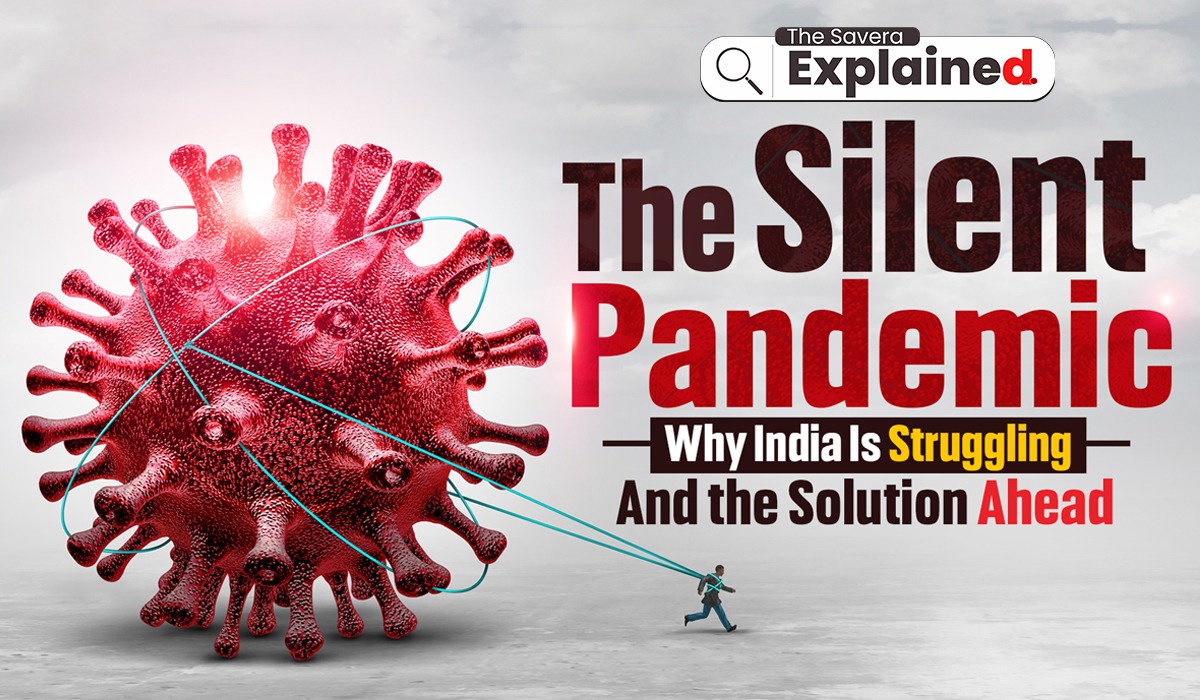
New Delhi: A simple cough, cold, or even a small wound — illnesses we often ignore — are becoming dangerously complicated. The reason is superbugs: bacteria that no longer respond to regular antibiotics.
These medicines, once powerful enough to cure infections in a few days, are now failing in many cases.
A new study published in The Lancet shows a worrying reality. Eighty-three percent of people entering hospitals in India are already carrying drug-resistant bacteria.
This means treatments often fail before they even begin. This is why experts are calling antibiotic resistance India’s next national health emergency.
India Leads The World in Superbugs
A major study by AIG Hospital in Hyderabad compared patients across nine countries. India topped the list in multidrug-resistant infections.
The reasons are visible everywhere. People often take antibiotics without prescriptions. Shopkeepers sell medicines freely. Hospitals struggle with infection control. Poultry and fish farms use antibiotics heavily, which then enter our food.
Every time bacteria survive such exposure, they become stronger. Over time, they turn into superbugs that nothing can stop.
The Human Cost
The numbers explain the seriousness. Nearly one million Indians die every year due to antibiotic resistance.
Around 58,000 newborn babies die from infections that no available antibiotic can cure.
Common infections like pneumonia, urinary tract infections, and simple wound infections are becoming deadly.
If this continues, antibiotic resistance could cause 10 million deaths every year globally by 2050.
Doctors call it a silent pandemic — slow, steady, and extremely dangerous.
Why India Is Particularly Vulnerable
India uses more antibiotics than any other country. Medicines are easily available without prescriptions.
Many hospitals struggle with hygiene, overcrowding, and proper hand-washing practices. Antibiotics used in animals contaminate food and spread resistant bacteria.
All of this makes India a hotspot for superbugs.
Rising Cost of Treatment
Drug-resistant infections are far more expensive to treat. What once cost Rs 5,000 to Rs 10,000 can now cost Rs 50,000 to Rs 5,00,000.
Patients need longer hospital stays, stronger medicines, and repeated tests. For poor families, this can lead to debt or incomplete treatment.
The Government’s New Strategy: NAP-AMR 2.0 (2025–2029)
To control this growing threat, the government has launched National Action Plan on Antimicrobial Resistance 2.0.
Health Minister JP Nadda has described AMR as the biggest threat after COVID-19.
The plan aims to bring a One Health approach, covering humans, animals, and the environment together.
It includes strict rules for hospitals on antibiotic use. States will set up AMR surveillance networks. Doctors and chemists will receive training on safe antibiotic practices.
There will also be mass awareness campaigns urging people to complete full antibiotic courses. Research on new medicines and vaccines will be strengthened.
If implemented effectively, this plan can save millions of lives by 2030.
Expert Advice For Everyone
Doctors say the first line of defence starts at home. Take antibiotics only when prescribed. Never self-medicate. Complete the full course of treatment.
Avoid pressuring doctors for antibiotics. Maintain hygiene at home to prevent infections.
Good habits today can reduce superbugs tomorrow.
How It Will Affect Everyday Life
As new rules come into place, chemists may insist on prescriptions. Doctors may order tests before prescribing antibiotics.
If resistance increases, even minor illnesses could become costly. But if NAP-AMR 2.0 succeeds, antibiotics can remain effective and treatment can become affordable again.
This silent pandemic is already here — but India can still change its future if action starts now.
One of the most common questions people ask these days is how to lose belly fat. Belly fat...

Turtle doves picking fallen grain from Paddy fields, Cicada chirping on willow trees and the cackle of migratory...

Andre Agassi became one of the greatest tennis players in the world. Agassi’s father, Mike, a former Olympic...

Have you ever wondered how the words you speak can influence your thoughts, emotions, behavior, relationships and even...
Ac There’s no doubt that smoking can cause serious health related problems and also up the risk of...

Are you one of those who exercise daily but are still unable to lose weight? We might have...

Aries: The day will be auspicious...