Last Updated: October 18, 2026
Last Updated: October 18, 2026





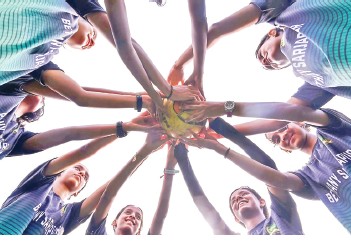
Community sports programs are making a powerful impact worldwide, fostering physical health, social cohesion, and personal development. From local football clubs to neighborhood fitness initiatives, sports are becoming a tool for improving individual lives and strengthening communities. Regular participation in sports enhances physical and mental health. Engaging in activities such as soccer, basketball, or yoga improves cardiovascular fitness, strength, and flexibility. It also reduces stress, anxiety, and depression, promoting overall well-being. In cities like Tokyo and Melbourne, local government-supported sports programs have led to measurable improvements in residents’ physical activity levels and health outcomes.Sports programs are also powerful tools for social inclusion.
They bring people of different ages, genders, and socioeconomic backgrounds together, fostering cooperation, mutual respect, and teamwork. Initiatives like the “Right to Play” program in Africa and Asia use sports to empower marginalized children, teach life skills, and promote gender equality, proving that sports can be an instrument for social change. Youth engagement is another key benefit. Community sports provide young people with structured activities that channel energy positively and build discipline. By participating in teams, children learn leadership, communication, and problem-solving skills. In the
United States and Europe, after-school sports programs have successfully reduced youth delinquency rates and improved school attendance.Sports programs also support local economies. Community leagues, tournaments, and sports
events attract participants, spectators, and sponsors, generating income and creating jobs. Small businesses, such as sports equipment shops, cafes, and fitness studios, benefit from increased community engagement and foot traffic. Cities that invest in sports infrastructure often see broader economic and social returns.Inclusivity and accessibility are central to successful programs.
Adaptive sports initiatives ensure that individuals with disabilities can participate fully, while senior fitness programs help older adults maintain mobility and social connections. Programs designed for all age groups and abilities ensure that no one is left behind, reinforcing community cohesion and mutual support.
Moreover, sports cultivate environmental awareness when combined with sustainability initiatives. Eco-friendly stadiums, recycled sports equipment, and community clean-up games teach participants the importance of protecting natural resources while encouraging physical activity. Sports become a platform not just for health but also for responsible citizenship.In summary, community sports programs are transforming societies by promoting health, inclusion, youth development, economic growth, and environmental awareness. They demonstrate that physical activity is not only a personal benefit but also a communal one, fostering stronger, happier, and more connected communities. By investing in sports at the local level, governments and organizations are creating pathways for healthier, empowered, and resilient societies.
The Central Bureau of Investigation (CBI) team investigating the Ankita Bhandari murder case arrived at Urmila Sanawar's residence...

A tragic road accident occurred outside a Durga Puja pandal in Balrampur, Uttar Pradesh. A car hit seven...

Catch the latest developments with The Savera Afternoon Bulletin, featuring top headlines from India and around the world,...

A major accident occurred at a private sponge iron factory in Jamuria, West Bengal's West Bardhaman district. Four...

Vasudev Uike and his wife, Sunita, died after a speeding car hit their motorcycle in Pandhurna, Madhya Pradesh....

Greater Noida: The deaths of five members of a family whose bodies were found inside their home in...

Aries: The day will be auspicious...