Last Updated: October 21, 2026
Last Updated: October 21, 2026





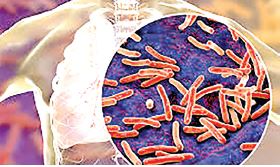
Targeted steroid therapy may offer a promising complementary approach in the fight against tuberculosis (TB), a disease that affects over 10 million people globally each year, according to a recent study. The research, published in the journal *Scientific Reports*, suggests that steroids can enhance immune defenses while controlling harmful inflammation. Steroids like dexamethasone are already used in certain TB cases, such as TB meningitis, but their broader impact on immune cells has remained poorly understood.
The new study shows that these drugs can boost the activity of macrophages—the immune cells responsible for detecting and destroying the TB-causing bacteria, *Mycobacterium tuberculosis*—while simultaneously reducing inflammatory damage that can harm the body. Dexamethasone, a potent glucocorticoid, works by reducing glycolysis in macrophages derived from human lungs and blood, limiting the energy available to these cells. The study found that this reduction helps balance immune activity: while it tempers both pro- and anti-inflammatory cytokine production, it does not compromise the macrophages’ ability to fight infection.
By controlling excessive inflammation, dexamethasone may prevent tissue damage commonly associated with severe TB cases. “In clinical practice, steroids are the most underused adjunctive therapy for TB. We often rely on steroids to manage inflammation in severe forms like TB meningitis,” said Professor Joseph Keane of Trinity College Dublin. “What’s reassuring from this study is that dexamethasone not only tempers inflammation but also appears to support the macrophage’s ability to control infection. This study provides new evidence to help us redefine steroid use in TB care—targeting inflammation without compromising antimicrobial defense.”
The researchers examined macrophages obtained from the blood of healthy volunteers and lung fluid from patients undergoing routine bronchoscopies. By infecting these cells with *Mtb* in the laboratory and treating them with dexamethasone, the team could observe how the drug affects the immune response that protects the lungs during infection. Results showed that Mtb-infected macrophages survived longer when treated with dexamethasone, suggesting the steroid shields these cells from death caused by infection or excessive immune reactions. Additionally, dexamethasone reduced bacterial load within the macrophages, partly through mechanisms like autophagy and phagosomal acidification, which help the cells degrade and clear bacteria more effectively.
These findings highlight the potential of steroids as a supplementary therapy alongside standard antimicrobial treatments, particularly in TB cases complicated by severe inflammation. By combining infection control with inflammation management, steroid therapy could improve outcomes and reduce tissue
Reduced water levels at Har Ki Pauri and other Haridwar ghats have inconvenienced pilgrims during the Upper Ganga...

Six people returning from a Dussehra Mela were seriously injured when a car hit them on National Highway...

A bus travelling from Pachiound to Ramnagar fell into a gorge at Gulli Gula in Udhampur district. Nine...

Start your day with The Savera Morning Brief, bringing you the latest news from India and around the...

Union Home Minister Amit Shah will pay tribute to police martyrs at the National Police Memorial in New...

Four more people, including two women, have been arrested in the Tiger Shroff firing case. Delhi Police are...

Aries: The day will be auspicious...