Last Updated: October 12, 2026
Last Updated: October 12, 2026





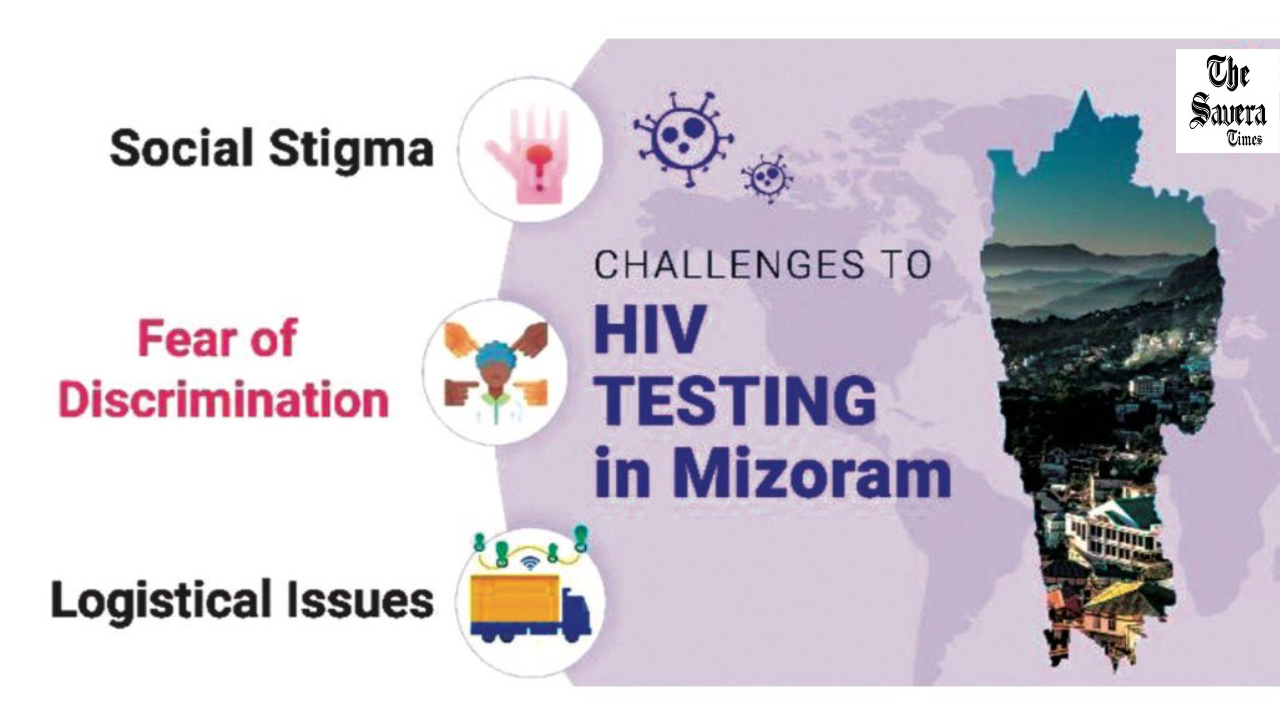
Nestled in the northeastern hills of India, Mizoram is known for its scenic landscapes and close-knit communities. Mizoram is also becoming an inspiration for its fight against HIV/AIDS. Mizoram has been dabbling with the problem of being the state with the highest HIV prevalence in India, with a significant portion of the affected population being young adults. The traditional methods of HIV testing—often requiring individuals to visit healthcare centers—have proven to be inadequate due to stigma and logistical challenges. Against this backdrop, the introduction of HIV self-testing (HIVST) has emerged as a revolutionary approach, offering a more private, convenient, and effective means of diagnosis. Mizoram has consistently recorded alarming rates of HIV infections, far surpassing the national average. The primary modes of transmission have been identified as unprotected sex and intravenous drug use. Despite awareness campaigns, many individuals remain hesitant to get tested, leading to delayed diagnoses and an increased risk of transmission. Hence, a new approach was necessary—one that could empower individuals to take control of their health without fear of stigma or logistical challenges. This is where HIV self-testing has proven to be a game-changer. HIV self-testing allows individuals to test themselves in the privacy of their homes using easy-to-use kits. These kits typically involve collecting a saliva or blood sample and obtaining results within minutes. This approach has been successfully implemented in several countries, and its introduction in Mizoram has sparked hope in the fight against HIV. The benefits of HIV selftesting include tackling stigma and empowering people to take proactive steps in managing their health by visiting a healthcare professional once they detect a positive result. Additionally, HIVST bridges the logistical gap by bringing testing to people’s homes, ensuring that even those in the most remote locations can test themselves without traveling long distances. The success of HIV selftesting in Mizoram offers a valuable blueprint for other states facing similar challenges. If scaled up properly, HIVST can transform HIV prevention strategies across India, particularly in regions with high infection rates and limited healthcare access. Tailored public awareness campaigns focusing on localized issues and breaking down stigma through targeted messaging can be effective. Leveraging digital health solutions by integrating HIVST with mobile apps and telehealth services for counseling and follow-up support can improve accessibility. Publicprivate partnerships can play a crucial role in expanding reach and availability by collaborating with private healthcare providers and NGOs. The Government of India has been actively working to combat the HIV/AIDS epidemic through various initiatives. One of the most significant efforts is the National AIDS and STD Control Programme (NACP) Phase-V, a Central Sector Scheme fully funded by the government with an outlay of Rs 15,471.94 crore. The programme extends the national AIDS and STD response till the Financial Year 2025-26 and aligns with the United Nations’ Sustainable Development Goals (SDG) 3.3, which aims to end the HIV/AIDS epidemic as a public health threat by 2030. Building upon past initiatives like the HIV/AIDS Prevention and Control Act (2017), Test and Treat Policy, Universal Viral Load Testing, Mission Sampark, and Community-Based Screening, NACP Phase-V introduces newer strategies to consolidate and augment progress. A key component of this phase is the Sampoorna Suraksha Kendras (SSK), which operate as singlewindow service centers for individuals at risk of HIV and sexually transmitted infections (STIs). These centers provide a holistic set of services tailored to clients’ needs, ensuring strong linkages and referrals within and outside the healthcare system. Through a comprehensive prevention-test-treat-care continuum, the government is ensuring that HIV detection and treatment reach every corner of the country, including remote states like Mizoram.
One of the most common questions people ask these days is how to lose belly fat. Belly fat...

Turtle doves picking fallen grain from Paddy fields, Cicada chirping on willow trees and the cackle of migratory...

Andre Agassi became one of the greatest tennis players in the world. Agassi’s father, Mike, a former Olympic...

Have you ever wondered how the words you speak can influence your thoughts, emotions, behavior, relationships and even...

Ac There’s no doubt that smoking can cause serious health related problems and also up the risk of...

Are you one of those who exercise daily but are still unable to lose weight? We might have...

Aries: The day will be auspicious...