Last Updated: October 20, 2026
Last Updated: October 20, 2026





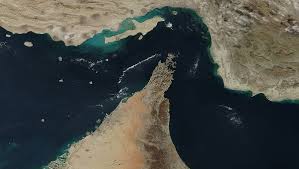
Terrible wars have devastating effects. Death and destruction are not only unleashed, but supply chains are also disrupted. The economic structure of even those countries unconnected with the war collapses. The ongoing standoff between the United States and Iran has reached May, but the Strait of Hormuz remains locked between the two countries.
The supply shortage of crude oil and natural gas has affected nearly every country in the world. Energy has become not only unavailable but also expensive. This war has also posed another threat to the world: the threat of famine. Our country is an agricultural nation; its agricultural dominance must not only remain intact but also grow. Only then can this country, with the world’s largest population, be able to feed itself.
We’re not the only ones demanding fertilizers, urea, and ammonia for our agriculture, but the agriculture of countries like Sudan, Somalia, and Mozambique is dependent on these fertilizer imports. The United Nations has drawn the world’s attention to the long-term impact of this threat. The UN says that if fertilizer supplies are crippled, millions of people will be vulnerable to starvation.
The United Nations released a video from its media outlet, Al Jazeera, stating that if the war disrupts fertilizer supplies, it will have such long-term effects that even if the war ends, approximately 45 million people will be vulnerable to starvation due to agricultural losses, and the war’s impact will persist for a long time. The closure of the Strait of Hormuz not only impacted global supplies, but also affected maritime supplies.
If fertilizers are not available for farming, millions of people will continue to face hunger and famine. This disruption in fertilizer supply, even if temporary, creates an immediate humanitarian crisis.
After wheat harvesting, paddy will be sown and fields will be prepared. At this time, farmers need fertilizers, and they are readily available on demand. Urea prices have risen 65 percent, ammonia prices have risen 40 percent, but the supply chain has also been disrupted. Even if the Strait of Hormuz opens, the current situation could push millions of people to the brink of starvation. The impact of low productivity will be long-lasting. Even if the Strait of Hormuz opens today, people will surely be in crisis due to the economic losses.
Good Evening Viewers! Catch up on the day's biggest stories with The Savera Times Evening Bulletin. Get the...

Congress leaders continued their protest outside the Jaipur Police Commissionerate on Tuesday, demanding the registration of a zero...

On the auspicious occasion of Vijayadashami, Prime Minister Narendra Modi on Tuesday called on the countrymen to unite...
A historic milestone was achieved on Tuesday in the expansion of Chhattisgarh's rail networkA historic milestone was achieved...

Model Shraddha Dubey, one of the main accused in the death of Lucknow businessman Shiv Sharma, has been...

Rashtriya Swayamsevak Sangh (RSS) chief Mohan Bhagwat on Tuesday called for strengthening national unity, social harmony, indigenous practices...
Aries: The day will be auspicious...