Last Updated: October 21, 2026
Last Updated: October 21, 2026





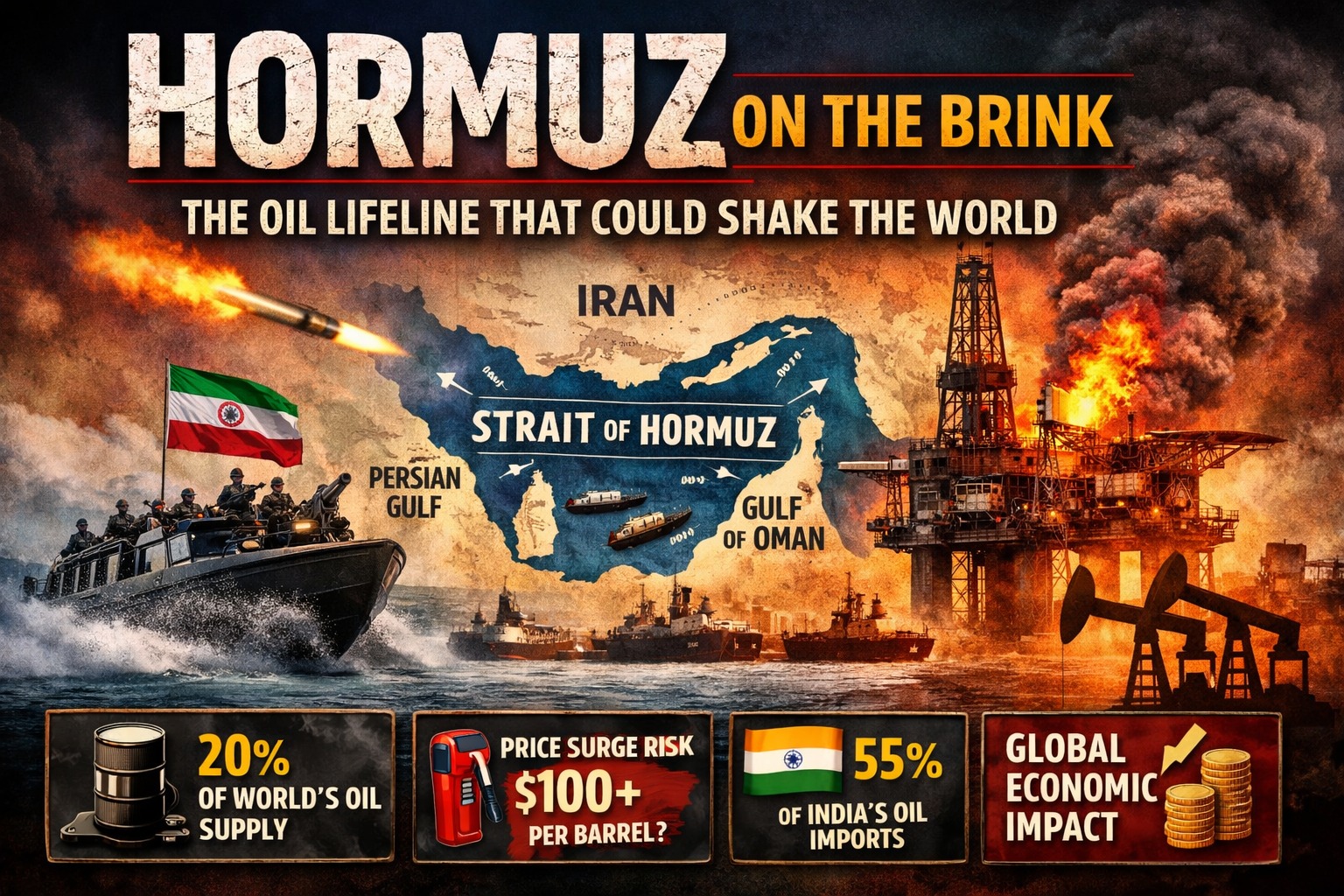
The ongoing conflict involving Israel and Iran has caused severe disruptions in oil shipping through the Strait of Hormuz, a critical global energy route, with around 700 tankers now stranded on either side of the narrow waterway, maritime data shows.
Meanwhile, Iran’s Islamic Revolutionary Guard Corps (IRGC) has said it has closed the Strait of Hormuz, a vital shipping route for the world’s oil supplies.
An IRGC official said on state TV that any ship attempting to pass through this route would be intercepted and potentially targeted.
What US say?
Meanwhile, according to a Fox News report, the US Central Command maintains that the Strait of Hormuz is not closed, despite statements from Iranian officials.
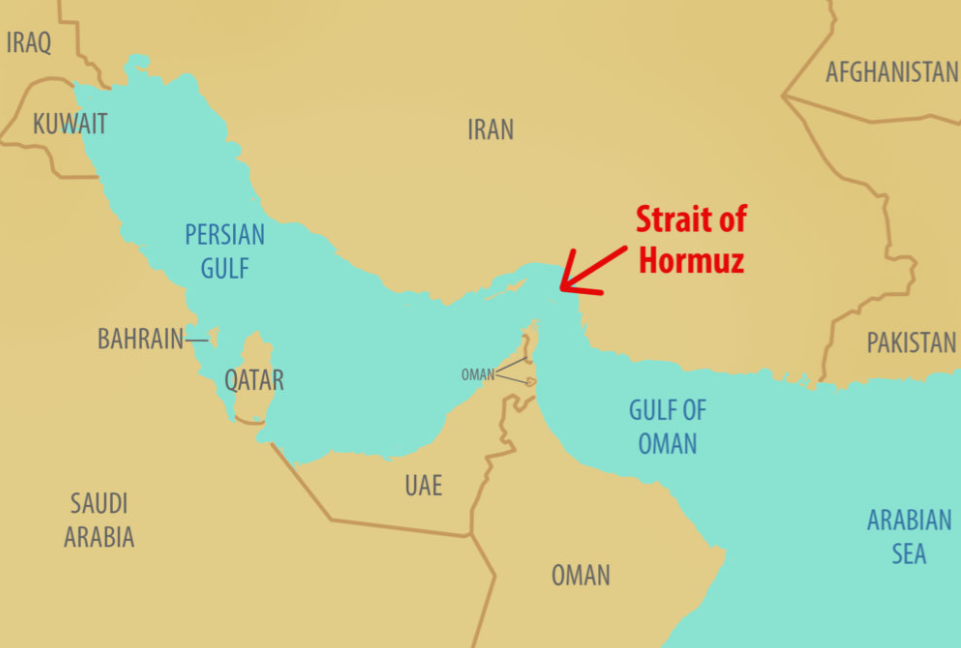
The Strait, which connects the Persian Gulf with the Arabian Sea, typically handles nearly 20% of the world’s oil and gas shipments. Recent military strikes and mounting regional tensions have led to a dramatic drop in vessel traffic with only a handful of tankers making successful crossings in the past week.
Prices across energy markets have reacted sharply. Brent crude has surged close to $80 a barrel, reflecting fears of prolonged supply bottlenecks. Insurers have also hiked war-risk premiums for vessels operating in the region, squeezing freight costs and freight availability.
For India — one of the world’s largest energy importers — the situation poses a significant test. Nearly half of India’s crude oil imports transit through the Strait of Hormuz, while the route also carries a large proportion of its liquefied petroleum gas (LPG) and natural gas supplies. Any extended slowdown in shipments could ripple through domestic fuel markets, intensify price pressures, and strain inventories
Pakistan, battling insurgencies at home and tensions along multiple borders, is too overstretched to offer meaningful military support...
The World Bank Group has launched its first comprehensive digital strategy, placing artificial intelligence, affordable internet access and...
Fifty-four organisations and movements associated with France's October protests, along with their wider networks of supporters and international...

In the aftermath of the Indian agencies cracking down heavily on Indian influencers who were promoting pro-Pakistan content,...

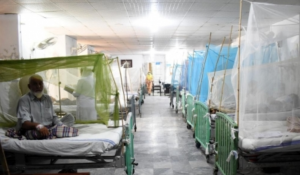
Nearly 100 new cases of dengue have been reported in Pakistan's Khyber Pakhtunkhwa province in the last 24...
Following violent protests and looting in France, the government has decided to impose new curfews in different areas...

Aries: The day will be auspicious...