Last Updated: October 16, 2026
Last Updated: October 16, 2026





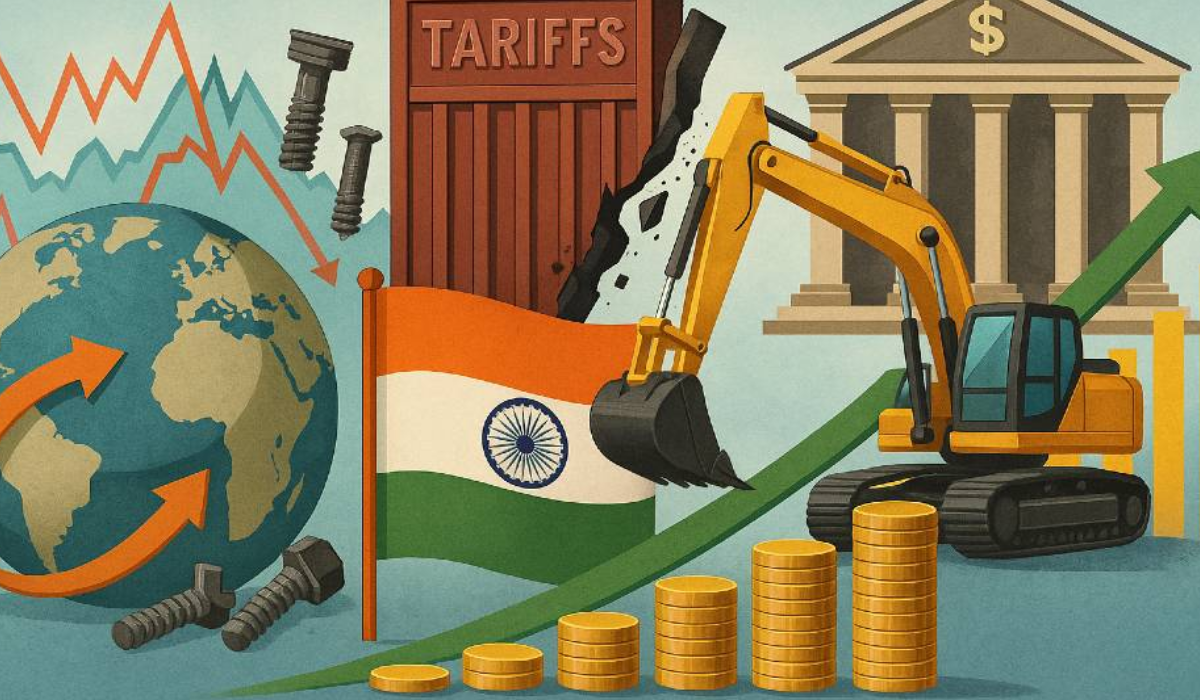
India is expected to remain resilient despite elevated energy prices driven by the West Asia conflict, supported by strong economic fundamentals, structural reforms and healthy domestic demand. While a sustained energy shock could increase cost pressures across sectors and weigh on economic activity, India’s growth outlook remains comparatively strong. Although crude oil prices have moderated following the announcement of a memorandum of understanding between the US and Iran this week. India’s diversified economic structure and strong domestic demand could help cushion the impact of higher energy costs. Land transport, mining, agriculture, chemicals, rubber and plastic products among the sectors most directly exposed to higher energy prices. These industries play a critical role in the economy and serve as key inputs for several downstream sectors. In addition, pharmaceuticals, electronic products, processed food and metal products are likely to experience higher input costs if energy prices remain elevated. However, sectors such as financial services, real estate and professional services face relatively limited direct exposure to energy related cost pressures despite accounting for a significant share of economic output. Moreover, the measures that could help mitigate the impact of rising energy prices. Government support for fertiliser imports and domestic production, along with continued policy interventions, could help reduce pressure on the agriculture sector. India’s economy has benefited significantly from structural reforms and stronger corporate balance sheets in recent years, which should provide a buffer against external shocks.
New Delhi: Tesla CEO Elon Musk on Friday unveiled a new version of his Roadster sports car. During...

Rayachoti (Andhra Pradesh): Andhra Pradesh’s Annamayya district was rocked by violence on Friday as several vehicles were set...
Abhijeet Dipke criticised administrative restrictions ahead of CJP’s ‘Lehra Do Tiranga’ rally in Delhi, arguing that demanding government...

The Press Council of India has issued safety guidelines for journalists covering protests and demonstrations, advising them to...
The BJP is preparing a nationwide outreach campaign to counter Congress claims over electoral roll revision and the...
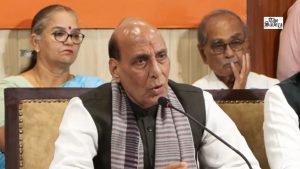
Defence Minister Rajnath Singh has accused Congress and its INDIA bloc allies of attempting to create unrest in...
Aries: The day will be auspicious...