Last Updated: October 24, 2026
Last Updated: October 24, 2026





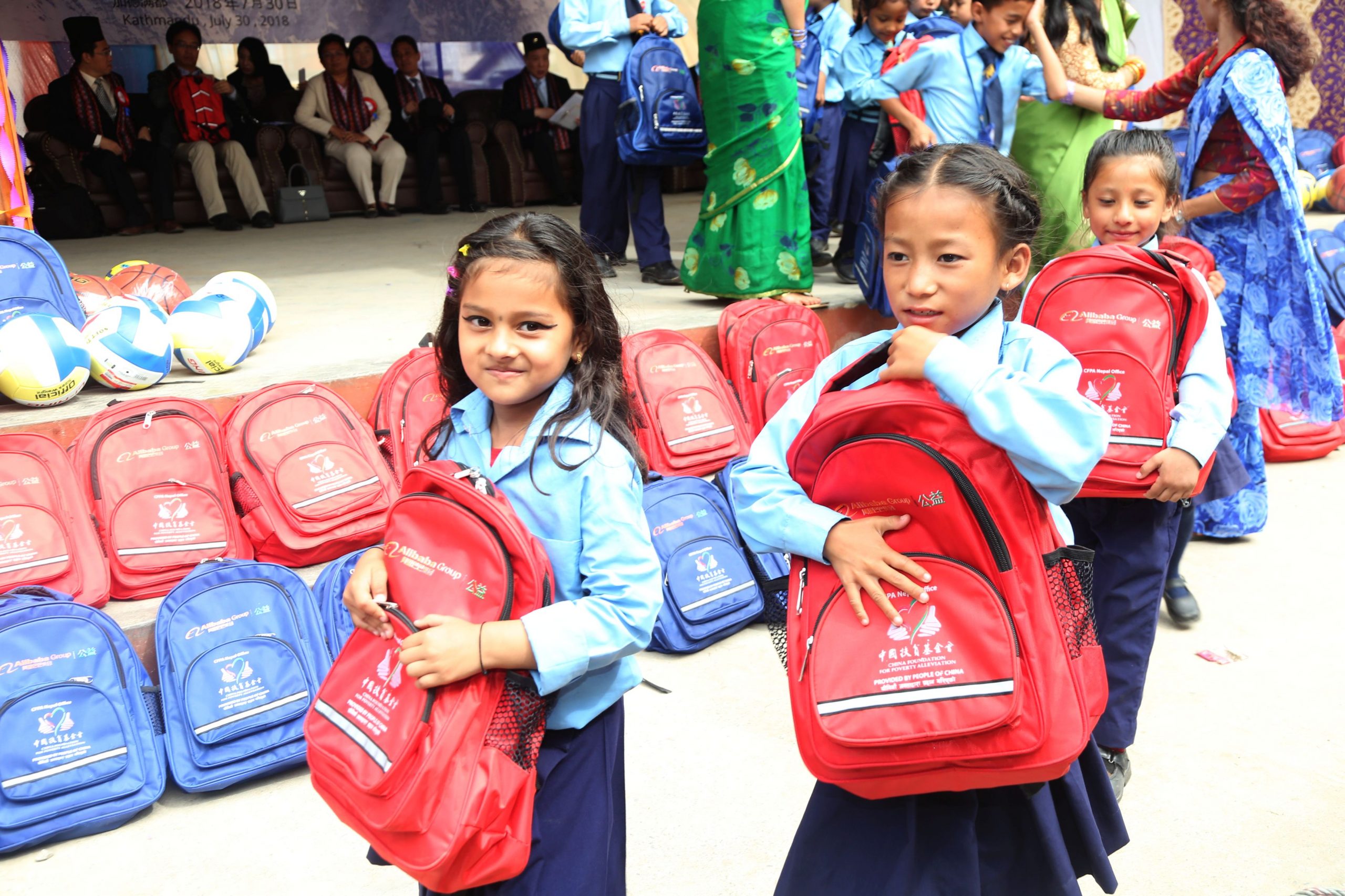
Nepal is witnessing a debate over students’ personal freedoms after the government introduced regulations barring schools from forcing students to cut or regulate their hair. The move has sparked discussions on discipline, individual rights and state intervention in education.
The government recently took a significant step towards recognising students’ personal autonomy by introducing regulations that prohibit schools from forcibly regulating students’ hairstyles. The legislative shift follows a sustained student-led campaign and broader civic engagement on the issue.
While the new rules signal a move toward protecting individual rights, their implementation and the broader societal response have raised questions about school discipline, parental authority and the role of the state in educational institutions.
For years, schools across Nepal have maintained strict rules governing students’ appearance. Uniformity, professionalism and a rigid code of conduct have often been enforced through hair inspections, disciplinary action and, in some cases, public embarrassment for students who failed to comply.
One such student, Sambriddha Karki, a Grade 11 student in Kathmandu, described the repeated inspections and punishments he experienced under his school’s hair policy. School authorities justified these measures as necessary to maintain a “professional look”, but many students reportedly viewed them as intrusive and psychologically stressful.
Karki’s experience highlighted the growing tension between institutional discipline and students’ personal autonomy. His campaign gained momentum through SpeakUp Nepal, an online civic platform that allows citizens to raise public concerns and forward widely supported petitions to government authorities.
Within the first month, Karki’s petition gathered around 250 signatures. Over the next 19 months, it moved through several educational oversight bodies before influencing Nepal’s Ministry of Education to introduce legal protections against forced haircuts.
The new legislation explicitly prohibits schools from coercing students regarding haircuts, personal appearance and grooming. It recognises students’ bodies and personal expression as matters of individual choice rather than institutional control.
However, implementation has remained uneven. Several schools in Kathmandu and nearby areas reportedly continue to follow traditional grooming rules despite the new regulations.
Students also argue that appearance-related restrictions extend beyond hair. Ariana (a pseudonym) pointed to expectations surrounding makeup, tied hair and mehendi, suggesting that gender-based appearance standards remain common in schools. Her observations indicate that while the amendment addresses one aspect of the issue, broader concerns about equality and personal freedom continue to exist.
The continued enforcement of older practices suggests that legislative reforms alone may not be sufficient without corresponding cultural and administrative changes within educational institutions.
The policy has also faced resistance from sections of the education sector. Navraj Bhatta, representing a coalition of private schools, argued that decisions regarding hairstyles, attire and grooming should be determined through mutual understanding between schools and parents rather than government legislation.
Speaking at a recent press conference alongside representatives of three other umbrella organisations from Nepal’s private education sector, Bhatta maintained that the government had overstepped its authority by intervening in matters traditionally handled by educational institutions and families.
The debate reflects a broader conversation in Nepal about balancing institutional discipline with individual rights. While supporters view the reform as an important step towards protecting students’ dignity and personal freedom, critics believe it limits schools’ ability to maintain discipline and uphold their own codes of conduct.
Iran's parliamentary delegation will attend the BRICS Parliamentary Forum in New Delhi on October 26–27 after Speaker Mohammad...
Elon Musk has become the largest individual political donor ahead of the 2026 US midterms, with more than...

The arrest of a couple in Ferozepur over an alleged honey-trapping operation has brought renewed attention to suspected...

Four pilots died after two Philippines Air Force aircraft collided midair during a training exercise in Batangas. The...
Multiple earthquakes of preliminary magnitudes 7.2, 6.9 and 6.3 were reported near the Vanuatu Islands on Saturday. India's...

Washington: US President Donald Trump has acknowledged that the war with Iran has driven up oil prices and...
Aries: The day will be auspicious...