Last Updated: October 16, 2026
Last Updated: October 16, 2026





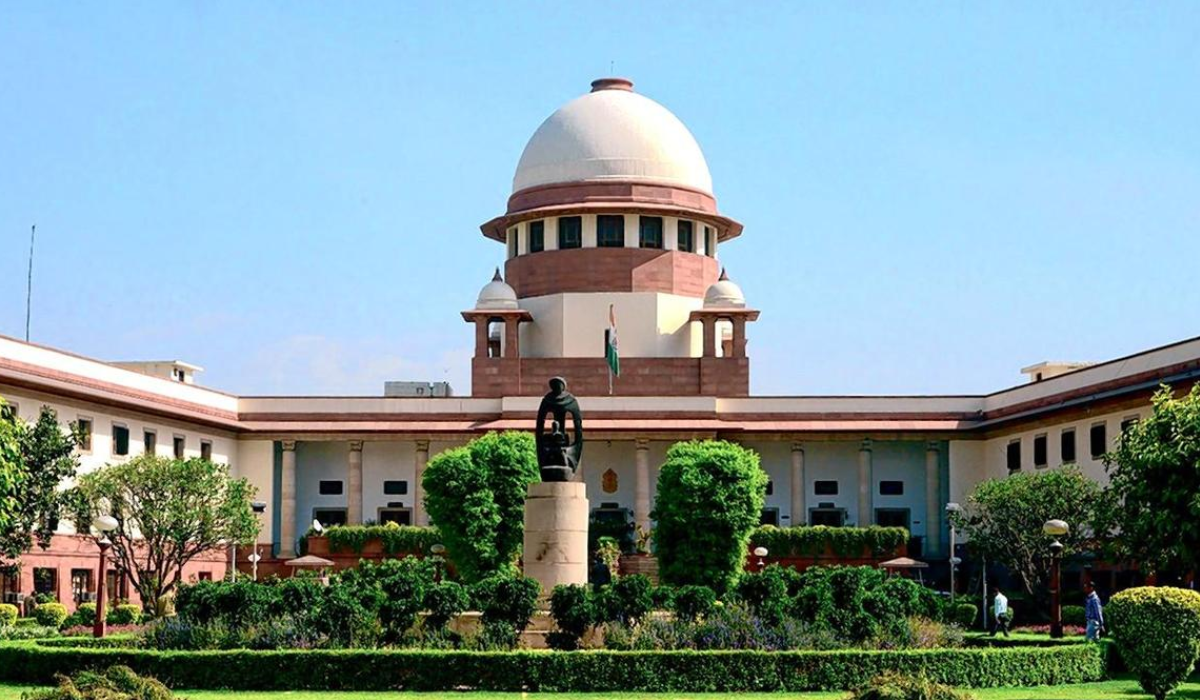
The Supreme Court on Monday sought responses from the Central government and states on petitions challenging the constitutional validity of the Transgender Persons (Protection of Rights) Amendment Act, 2026.
Notice issued, no stay for now
A bench comprising Chief Justice Surya Kant and Justice Joymalya Bagchi issued notices to all states, stating that no interim stay would be imposed on the law for now. The court also clarified that the matter would be heard by a three-judge bench.
Major changes to the law
The law, which came into effect after receiving Presidential assent on March 31, changes the definition of transgender and provides for stricter punishment in cases of forced gender reassignment and physical harm.
Controversy over removal of self-identification
The law has been opposed by the opposition and the LGBTQIA+ community. They say the bill was introduced without consultation and that it removes the right to self-identification and makes a medical certificate mandatory, which is against the 2014 NALSA decision.
After the bill was passed in the Rajya Sabha, two members of the National Council for Transgender Persons resigned.
Arguments in Court and the Centre’s Stand
Senior Advocate AM Singhvi argued in court that the new law eliminates a person’s right to self-identify their gender and undermines the NALSA decision. He also sought a stay on the law.
However, the court questioned whether self-identification could be misused. Solicitor General Tushar Mehta, representing the central government, stated that the law aims to prevent malpractices such as forced gender reassignment procedures.
Hearings in other courts also
Petitions challenging the law are also pending in the Delhi, Kerala, and Karnataka High Courts. The Supreme Court will now hear the matter further before a three-judge bench.
New Delhi: All India Students’ Association (AISA) National President Neha Bora was detained by the Delhi Police on...

New Delhi: The Directorate of Enforcement (ED) has provisionally attached assets and proceeds of crime worth Rs 136.44...

Mumbai: Jindal Saw on Friday reported a steep decline in its earnings for the second quarter of FY27,...

Abu Dhabi: External Affairs Minister (EAM) S Jaishankar held a meeting with Ras Al Khaimah Ruler Sheikh Saud...
New Delhi: In a fresh development in the former model and actress Twisha Sharma death case, the Supreme...

Mumbai: Benchmark equity indices rallied in a consecutive day on Friday due to falling oil prices and a...

Aries: The day will be auspicious...