Last Updated: October 16, 2026
Last Updated: October 16, 2026





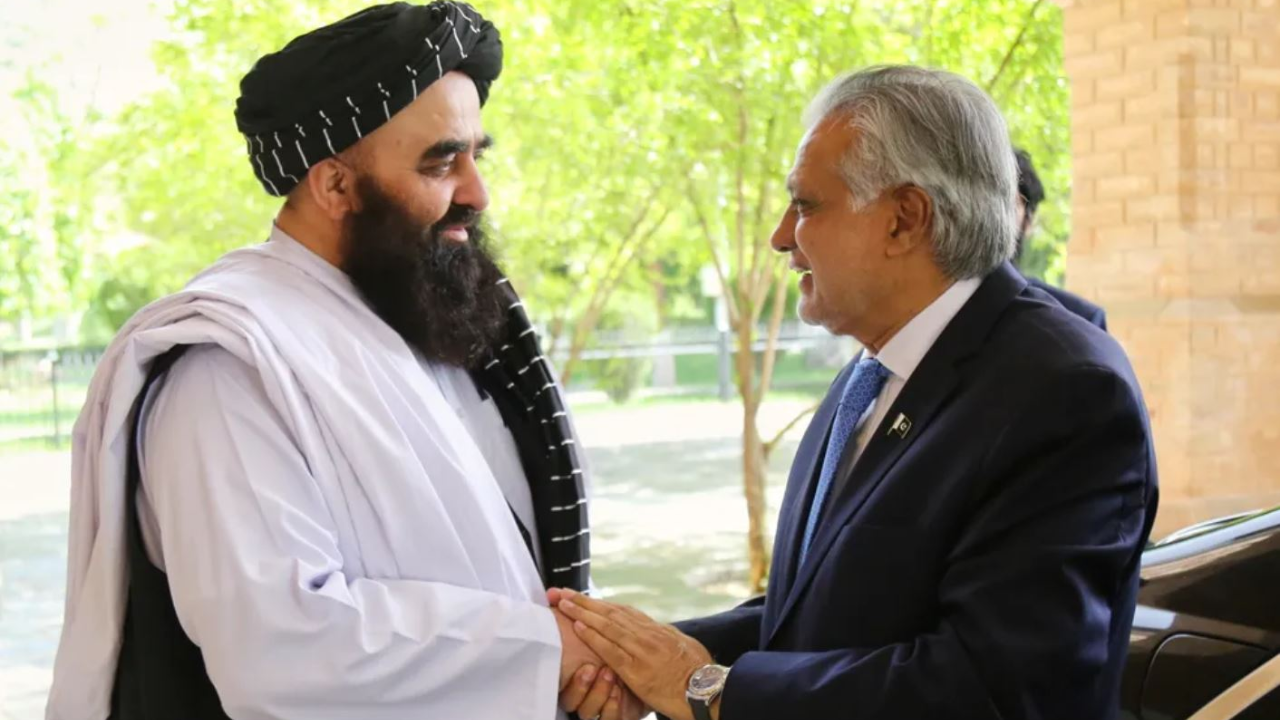
New Delhi: Amid rising border tensions with Pakistan and waning support from its erstwhile ally, the Taliban government in Afghanistan is intensifying its diplomatic outreach to India, China, and Russia in an effort to stabilise its fragile economy and gain wider regional legitimacy.
Pakistan’s growing hostility and border volatility have prompted the Taliban leadership to recalibrate its foreign policy. The once-close allies now find themselves at odds over cross-border militancy and territorial disputes. This estrangement has led Kabul to seek closer engagement with major regional powers.
Outreach to Russia and China
Following Afghan Foreign Minister Amir Khan Muttaqi’s meetings with Indian officials and business leaders, the Taliban has deepened ties with Moscow and Beijing.
Deputy Prime Minister for Economic Affairs Mullah Abdul Ghani Baradar Akhund this week hosted several Russian companies expressing strong interest in investing in energy, mining, and infrastructure projects.
According to the Deputy PM’s office, Russian firms plan to open a permanent office in Kabul to coordinate with Afghan government agencies, particularly in oil exploration, copper and chromite mining, and water management.
Simultaneously, Deputy Minister of Foreign Affairs Mohammad Naeem met with Chinese Ambassador Zhao Xing to discuss expanding bilateral cooperation. Naeem lauded Beijing’s “continued support,” while the envoy emphasised resolving disputes through “dialogue and understanding.”
Russia and China’s Strategic Interests
While Russia is the only nation to formally recognise Taliban diplomats, it remains cautious of extremist movements spilling into Central Asia. Moscow’s engagement with Kabul is seen as part of its broader strategy to counter Western influence and strengthen ties with Pakistan and Iran.
China, on the other hand, views Afghanistan as a critical link in its Belt and Road Initiative (BRI) and a potential source of lithium and other rare minerals essential for its green energy ambitions. Beijing also expects the Taliban to act against Uyghur militants of the East Turkestan Islamic Movement (ETIM), which it labels a terrorist group.
India’s Renewed Engagement
India, which has invested over $3 billion in Afghan infrastructure projects — including the Salma Dam and the Afghan Parliament building — has maintained diplomatic channels with the Taliban without formally recognising the regime.
New Delhi continues to send medical and humanitarian aid and is exploring limited trade options as trust-building measures progress. Kabul has urged India to resume stalled infrastructure projects, signalling a mutual interest in pragmatic cooperation.
Kabul’s Balancing Act
Analysts view the Taliban’s multi-directional diplomacy as an attempt to diversify its alliances and reduce reliance on any single power. By engaging India, China, and Russia simultaneously, Kabul hopes to attract economic investment, gain political legitimacy, and navigate the complex regional landscape that has emerged since the group’s return to power in 2021.
London: Ukrainian President Volodymyr Zelensky told British media that Ukraine would restart strikes on Russia’s oil refineries and...

India has expressed concern over the alleged plot to carry out a mass shooting at a Hindu temple...
Islamabad: At least 31 children and two female teachers were killed, and more than 50 other people were...

A roof collapse at Al-Khair School in Peshawar, Pakistan, killed at least 28 children and a female teacher...

Kabul: The series of road accidents in Afghanistan continues unabated. A truck and a passenger bus collided head-on...

Texas Attorney General Ken Paxton has filed a lawsuit against baby food manufacturer Gerber and its parent company,...