Last Updated: October 17, 2026
Last Updated: October 17, 2026





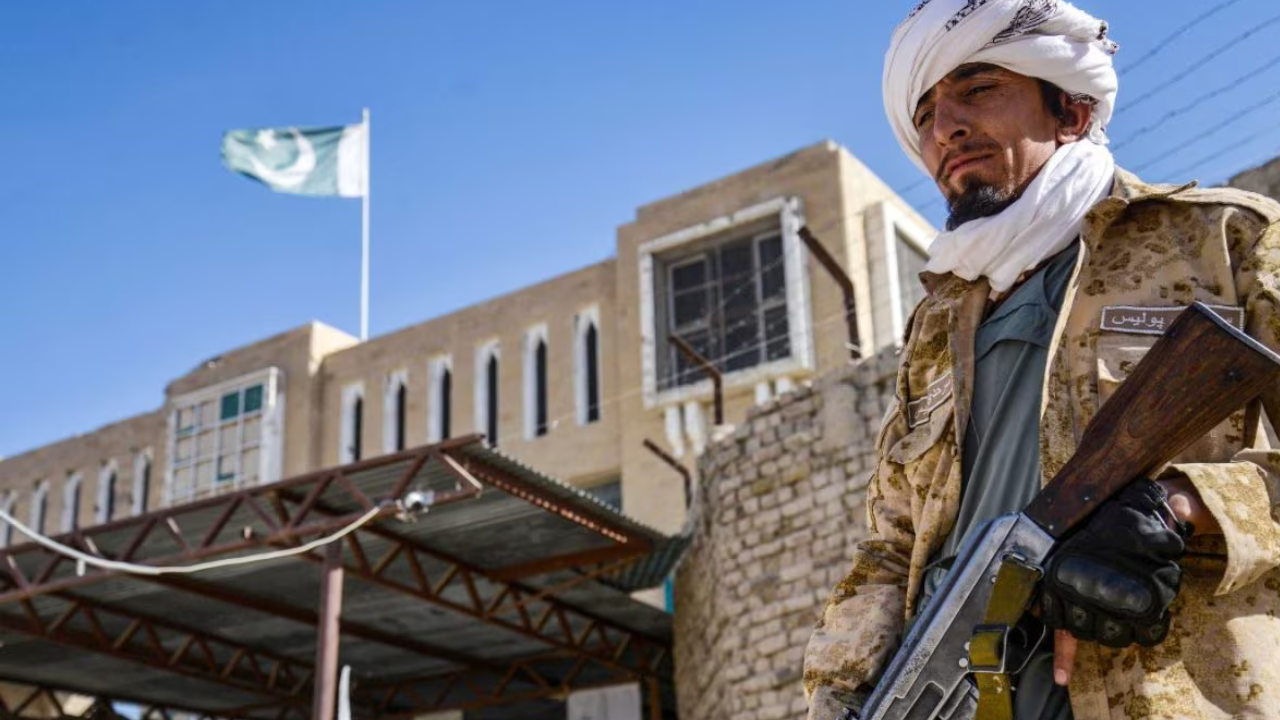
Doha: A high-level Taliban delegation led by Afghanistan’s Defence Minister Maulvi Muhammad Yaqub Mujahid has arrived in Doha for crucial negotiations with Pakistan, the Islamic Emirate’s Ministry of Defence confirmed on Saturday.
The talks, mediated by Qatar, come at a time of rapidly deteriorating relations between Kabul and Islamabad following a series of Pakistani airstrikes inside Afghan territory.
Rising Tensions Along the Border
The talks follow escalating hostilities in recent weeks, as Pakistan continues to launch air attacks in several Afghan provinces, including Paktika and Kabul, reportedly causing heavy civilian casualties.
According to reports, around 200 Afghans — including women and children — have been killed, while nearly 60 Pakistani soldiers have also lost their lives in retaliatory clashes.
On Friday night, Pakistan conducted fresh airstrikes in three locations in Paktika province, killing at least 17 people, including three Afghan cricketers, and injuring 16 others. The attack shattered the temporary ceasefire agreed upon on October 15.
Fragile Ceasefire and Diplomatic Fallout
The ceasefire had been brokered after fierce fighting along the Durand Line, but continued Pakistani strikes have undermined the truce. Kabul has accused Islamabad of repeatedly violating its sovereignty, while Pakistan claims Afghanistan has become a safe haven for transnational terrorist groups.
No formal apology or acknowledgment has been issued by Pakistan for the deaths of Afghan civilians or athletes — a move that has hardened public sentiment in Afghanistan and put pressure on Taliban negotiators to demand firm guarantees rather than accept symbolic gestures.
Delegations and Key Figures
The Afghan delegation is led by:
Maulvi Muhammad Yaqub Mujahid, Defence Minister
Abdul Haq Wasiq, Intelligence Chief
The Pakistani side is represented by:
Defence Minister Khawaja Asif
ISI Chief Asim Malik, both known for their hardline stances toward the Taliban
Khawaja Asif has recently alleged that the Taliban have aligned with India, while Pakistan’s Foreign Ministry accused Afghanistan of turning into a hub for terrorism.
Qatar’s Mediating Role
Qatar, long regarded as a key diplomatic intermediary in Afghan affairs, has once again stepped in to facilitate dialogue between the two uneasy neighbours. The current round of talks follows a week of cross-border violence and aims to restore calm and prevent further escalation.
Regional actors, including India and Iran, are reportedly monitoring the developments closely, given the potential implications for South Asian security and trade routes.
Whether Pakistan can convince Kabul’s leadership to resume security cooperation remains uncertain. With Afghan public anger mounting and the Taliban government under pressure to defend its sovereignty, negotiations in Doha are expected to be tense and highly consequential.
Qatar’s mediation underscores its unique position in regional diplomacy, but the absence of trust between the two sides suggests that any breakthrough will likely be fragile and temporary.
Air India and Air India Express have suspended flights to Riyadh, Jeddah and Dammam until October 20. IndiGo...

Manjit Singh Bedi, 64, has been returned to the United States after being arrested in India. He faces...

A Houthi attack on the al-Maashiq Presidential Palace in Aden killed five people and injured 16, amid intensifying...

A shooting at Silver Rail Elementary School in Bend, Oregon, left three children and a teacher dead. The...

Prime Minister Narendra Modi will visit Canada on December 11-12, 2026, with both countries aiming to strengthen strategic...
US Vice President JD Vance has warned that anyone found selling access to the White House should face...

Aries: The day will be auspicious...