Last Updated: October 12, 2026
Last Updated: October 12, 2026





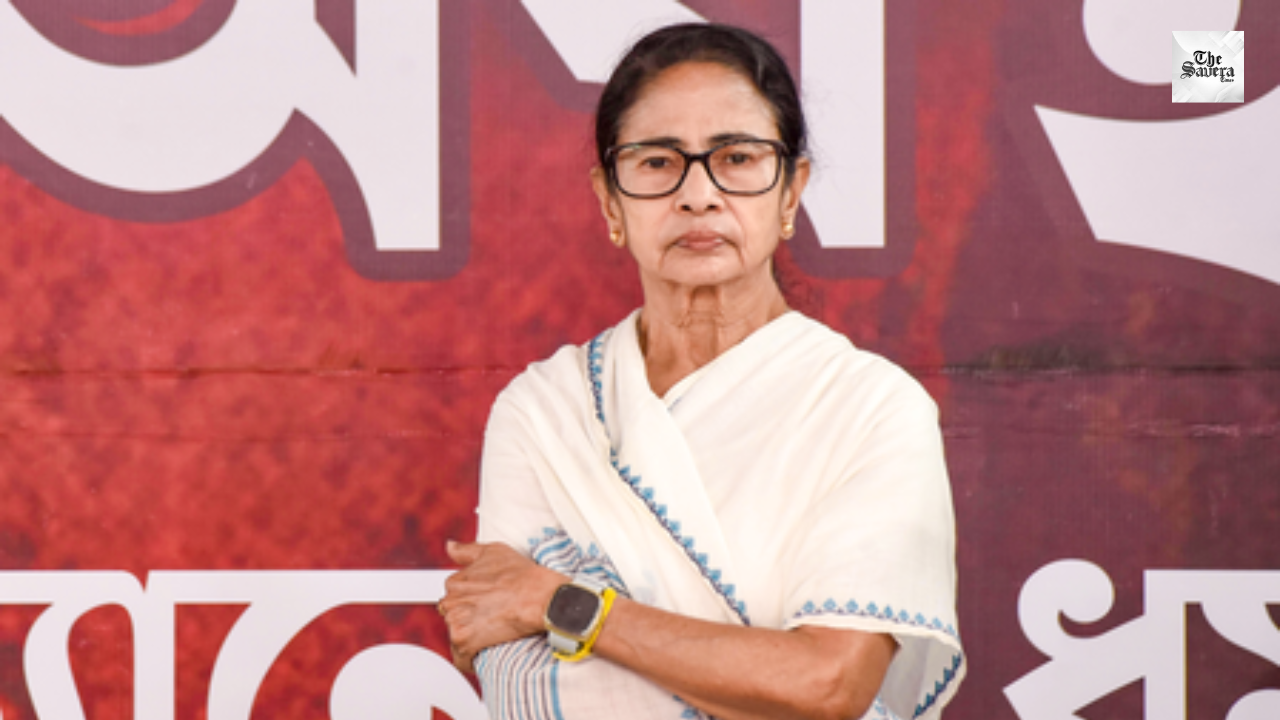
In a significant move, the Bangiya Shikshak O Shiksha Karmi Samiti (Bengal Teachers and Education Workers’ Association) has formally urged Mamata Banerjee to ensure that all teachers and education workers in West Bengal are brought under the ambit of the 7th Pay Commission. The organisation submitted a written appeal highlighting concerns that the ongoing implementation may not fully extend to teachers and related staff employed in various educational institutions.
The appeal stresses that while the Chief Minister announced the formation of the 7th Pay Commission during the state budget presentation in February, it remains unclear whether educators and government‑aided institution employees will fully benefit from the revised pay structure.
The teachers’ association argued that educators and support staff play a vital role in the state’s education system and deserve equitable pay and benefits. They emphasised that excluding teachers and other education workers from the 7th Pay Commission’s scope would create a significant disparity within the public service pay framework.
According to the appeal, the current state budget speech made by Mamata Banerjee indicated that the 7th Pay Commission would primarily target government employees, but failed to clarify how teachers and workers in aided and educational bodies would be considered. The teachers’ body fears that if inclusion is not assured in policy and guidelines, a large section of the education sector workforce could be left without enhanced pay scales and allowances.
Bringing teachers under the 7th Pay Commission is seen as critical for improving their financial security, work conditions, and morale. Teachers in government and grant‑in‑aid institutions have long advocated for parity with other state employees regarding pay revisions and allowances.
The association highlighted that improved compensation and benefits under the 7th Pay Commission could enhance teacher retention, attract skilled professionals to the education sector, and ensure better delivery of educational services across West Bengal.
A key point of contention in the teachers’ appeal is the potential exclusion of employees working in government‑aided schools and colleges. These teachers and support staff often work alongside regular government employees but may not receive the same pay benefits if not explicitly included in the pay commission’s final implementation guidelines.
The association called for immediate publication of the commission’s guidelines to ensure transparency and to confirm that all eligible categories, including educators from aided institutions, are rightfully included.
The appeal also underlined political considerations, noting that with elections approaching in key states, any perceived discrimination in pay reforms could fuel dissatisfaction among a large and influential workforce. The teachers’ body stated that a comprehensive inclusion would not only address financial inequalities but also prevent unrest among educators and public servants.
West Bengal has witnessed ongoing debates and protests related to teacher recruitment and job security over the past few years, including large‑scale demonstrations following judicial challenges to teacher appointments and employment status. While the 7th Pay Commission demands differ from those disputes, they reflect broader concerns about education workers’ livelihood and equitable treatment.
The Bengal teachers’ association has urged the state government to act swiftly and clearly define the inclusion of teachers and education workers under the 7th Pay Commission in official notifications. They believe that timely action will boost morale, reduce uncertainty, and ensure that educators feel valued for their contributions to West Bengal’s development.
The state government is yet to respond publicly to the appeal, but education and finance departments are expected to review the matter and provide clarity on the implementation scope in the coming weeks.
A major fire broke out at a scrap warehouse opposite the Maruti Temple in Sangameshwar, Maharashtra, around midnight....
A 48-year-old man, Pawan Sharma, died after an alleged altercation over a senior citizen seat at Delhi’s Supreme...
Shiv Sena (UBT), in its mouthpiece Saamana, has criticised the Centre over security measures and detentions during anti-government...
Former BJP MLA Attar Singh Bhedana died at Jaipur’s SMS Hospital after a violent clash at a crusher...
An eyewitness has recounted the fatal Mini Cooper crash in Nedumbassery, Kochi, claiming the driver said his father...

The Cockroach Janata Party plans to approach Parliament Street Police Station for permission to hold a peaceful protest...
Aries: The day will be auspicious...