Last Updated: October 7, 2026
Last Updated: October 7, 2026





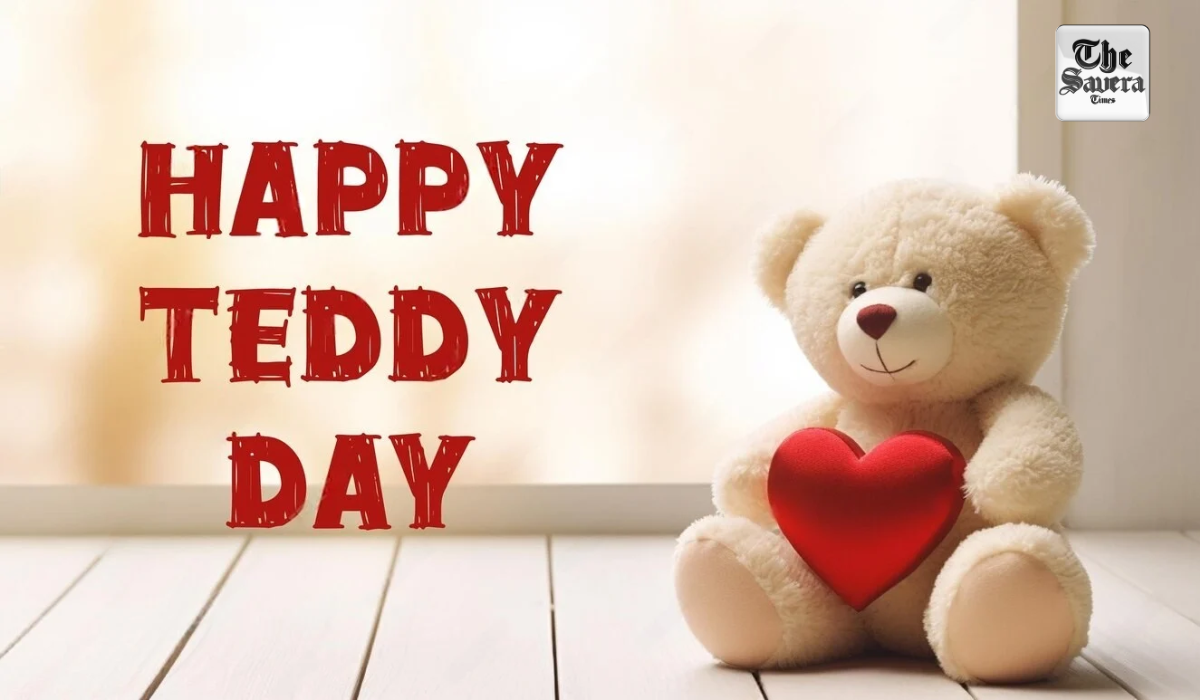
Why soft toys aren’t just for kids anymore
On the surface, a teddy bear may look like a simple childhood toy. But for many adults today, that soft, familiar bundle of fluff is something deeper — a quiet source of comfort, emotional security, and even stress relief.
This Teddy Day, the humble teddy is no longer just a gift of romance or nostalgia; it is increasingly seen as an emotional support object for grown-ups navigating a fast, often overwhelming world.
More Than Just a Childhood Memory
Psychologists use the term “transitional object” to describe items like blankets or soft toys that help people feel safe during stress or change. The idea was first introduced by British psychoanalyst Donald Winnicott, who explained that such objects provide emotional reassurance, especially in moments of anxiety or loneliness.
While the concept is usually linked to children, experts now say adults also form healthy attachments to comfort objects. In times of uncertainty — a breakup, job stress, living alone, or moving to a new city — these objects can offer a sense of familiarity and stability.
The Science of Comfort
Touch plays a powerful role in emotional regulation. Studies in psychology and neuroscience show that soft textures can trigger calming responses in the body. Physical contact with comforting objects may help lower stress hormones like cortisol and promote feelings of safety.
Research has also found that holding or hugging a soft object can create a sense of social connection, even when someone is physically alone. A 2013 study published in the Journal of Consumer Research showed that people with strong emotional bonds to objects felt less distressed when facing feelings of rejection or uncertainty. The object acts as a symbolic source of support.
In simple terms, the brain sometimes responds to comfort objects the way it responds to human closeness — by easing tension and offering reassurance.
Why Adults Are Turning Back to Teddies
Modern life is fast, digital, and often isolating. Many people live away from family, work long hours, and rely heavily on screens for interaction. This has led to what experts call a “comfort culture” — where small, soothing rituals and objects become tools for emotional balance.
Teddy bears fit perfectly into this trend. They are soft, non-judgmental, and emotionally neutral. Unlike people, they don’t demand, argue, or misunderstand. For some, hugging a teddy at night helps ease anxiety and improves sleep by creating a sense of security.
Mental health professionals note that as long as such attachments do not replace real human relationships, they can be a healthy coping mechanism.
Nostalgia as Therapy
Teddies also connect adults to childhood memories — a time often associated with safety and care. Psychologists say nostalgia can improve mood and reduce feelings of loneliness. Familiar objects from the past can remind people that they have survived difficult times before.
That old teddy sitting on a shelf may be more than décor — it can be an emotional anchor.
For years, adults holding onto soft toys were seen as childish. But attitudes are changing. Emotional wellbeing is now openly discussed, and people are more accepting of personal coping tools. Just as some find comfort in music, pets, or meditation, others find it in a soft toy.
This Teddy Day, the teddy bear stands not just as a symbol of affection — but as a quiet reminder that comfort, at any age, is something we all need.
Turtle doves picking fallen grain from Paddy fields, Cicada chirping on willow trees and the cackle of migratory...

Andre Agassi became one of the greatest tennis players in the world. Agassi’s father, Mike, a former Olympic...

Have you ever wondered how the words you speak can influence your thoughts, emotions, behavior, relationships and even...

Ac There’s no doubt that smoking can cause serious health related problems and also up the risk of...

Are you one of those who exercise daily but are still unable to lose weight? We might have...

In growing cities, the water cycle does not end when water is used. What flows away from homes,...

Aries: The day will be auspicious...