Last Updated: October 12, 2026
Last Updated: October 12, 2026





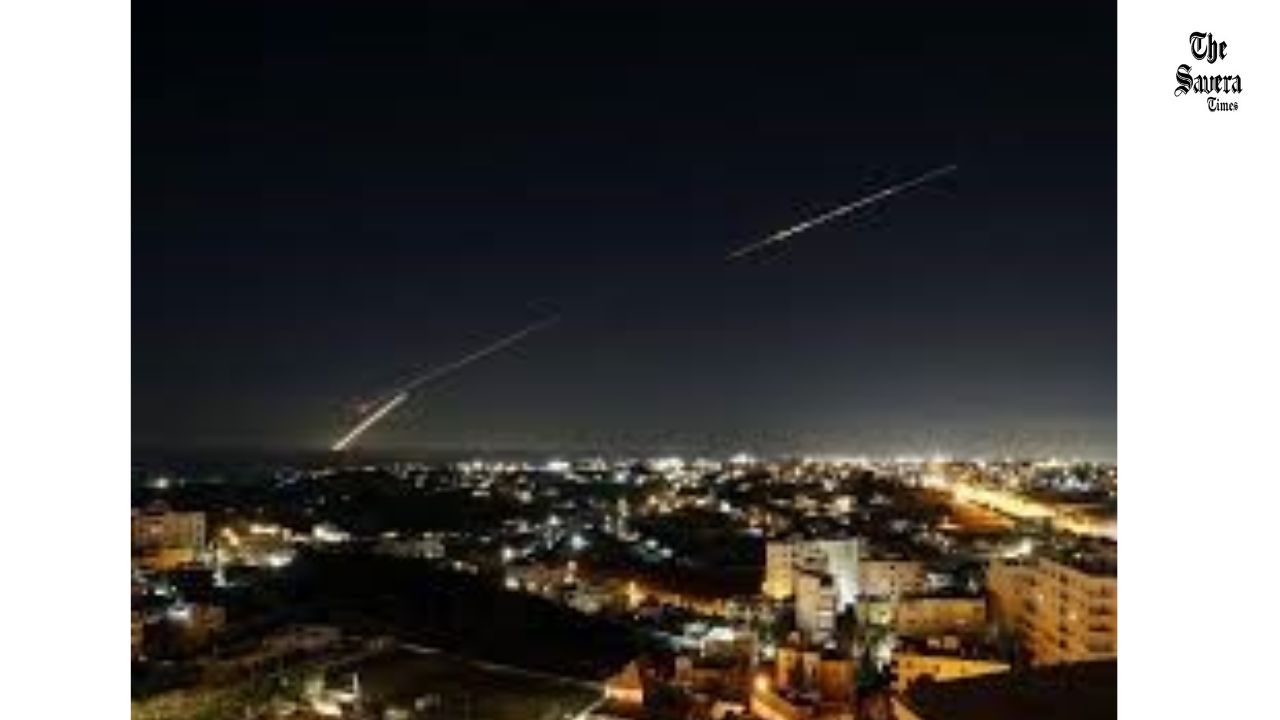
Tehran witnessed another wave of powerful explosions as the ongoing war in the Middle East intensified, according to multiple media reports. The strikes targeted key installations in and around the Iranian capital as the conflict between Iran and the joint forces of the United States and Israel entered a more dangerous phase.
Witnesses reported loud blasts, smoke rising from several districts and air defence systems activated across the city. Iranian authorities said the strikes were aimed at military and strategic infrastructure, including logistics and security facilities.
The attacks have increased fear among residents of Tehran, with emergency services and security forces deployed across affected areas. Airports and major roads were also placed under heightened security measures.
The strikes come as the conflict triggered by coordinated US-Israeli operations against Iran continues to escalate. The military campaign began in late February with large-scale air and missile strikes on Iranian military and government sites across several cities, including Tehran.
The operation reportedly targeted Iran’s military infrastructure, air defence systems and ballistic missile capabilities in an attempt to weaken Tehran’s strategic assets.
Since then, both sides have exchanged multiple attacks, turning the crisis into one of the most serious confrontations in the region in recent years. Analysts warn that the situation could lead to a wider regional war if tensions continue to rise.
Iran has responded with missile and drone strikes targeting US military bases and allied installations across the Middle East. Several Gulf countries have reported attempted attacks on strategic facilities and defence infrastructure.
According to defence officials, Iranian drones have also targeted radar and missile defence systems used by the United States and its allies in countries such as Qatar, Jordan, Bahrain and Kuwait. These strikes are intended to weaken regional defence networks and expand the scope of the conflict.
The retaliation has increased security concerns throughout the Gulf region, with several countries boosting military readiness and tightening protection around key installations.
The conflict has already caused significant casualties and damage across multiple countries. Reports indicate that hundreds of people have been killed and thousands injured as airstrikes and missile attacks continue.
In addition to casualties, thousands of civilians have been displaced due to ongoing airstrikes and military operations in affected areas. International organisations have warned that the humanitarian situation could worsen if hostilities continue without diplomatic intervention.
The disruption has also affected critical infrastructure, including oil facilities and transportation networks, increasing fears of economic instability and rising energy prices globally.
International leaders and organisations have called for restraint and diplomatic efforts to prevent the conflict from spreading further across the Middle East.
Experts warn that continued strikes on Tehran and other Iranian cities could provoke stronger retaliation, raising the risk of direct confrontation between regional powers and major global forces.
With both sides intensifying military operations, the situation remains highly volatile, and observers fear that the conflict could evolve into a prolonged war with far-reaching geopolitical consequences.
The Royal Swedish Academy of Sciences on Monday announced the 2026 Nobel Prize in Economics to American economists...

A Sudanese rights group says at least 72 gold miners were killed in an air strike near the...
US President Donald Trump is scheduled to attend the ASEAN summit in Manila on November 16 before travelling...
An Indian national injured in the October 10 attack on Riyadh’s King Khalid International Airport has died, taking...
Ukrainian President Volodymyr Zelenskyy says he was unaware of Donald Trump’s announcement of an immediate energy ceasefire between...
Colombian businessman Alvaro Pulido Vargas has been arrested in Florida over two US federal cases involving alleged bribery...
Aries: The day will be auspicious...