Last Updated: October 15, 2026
Last Updated: October 15, 2026





-Abhishek Vij
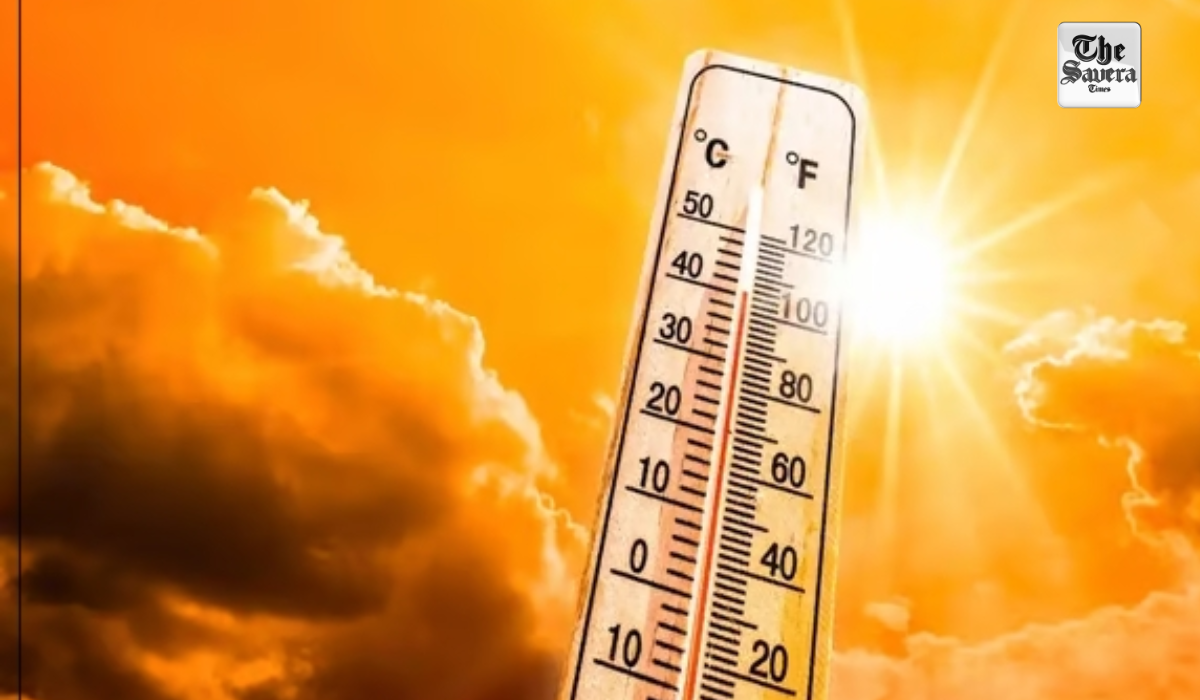
A new climate report from the United Nations has been released, issuing warnings regarding weather patterns expected over the next five years. The report indicates that, during this five-year period, the Earth’s temperature could rise beyond the internationally recognized safe limit of 1.5 degrees Celsius above pre-industrial levels. Even such a seemingly modest increase in temperature can lead to a heightened risk of fatalities and the loss of animal species. As global warming intensifies, the natural ecosystems of glaciers become unable to withstand this mounting pressure. The consequence is that raging torrents of water overwhelm and claim human lives. The WMO report now states that, within the next five years, there is a 91 percent probability that at least one year will breach the 1.5 degrees Celsius threshold. While 2024 is currently considered the hottest year on record, there are apprehensions that 2026 could potentially surpass it to become the hottest year ever recorded. The WMO further projects that by 2030, temperatures in the Arctic region will have risen by approximately 1.66 degrees Celsius—raising critical questions about the future of human life in the region. Concurrently, the risk of severe droughts and wildfires in the Amazon basin is also expected to escalate. Scientists warn that the ever-increasing consumption of coal, oil, and gas is fueling global warming, which, in turn, will lead to a higher frequency of extreme weather events—such as floods, droughts, and intense heatwaves—over the coming five years. The United Kingdom’s meteorological office is collaborating with the United Nations’ climate agency on this initiative. They project that between 2026 and 2030, the average global temperature could exceed pre-industrial levels by more than 1.5 degrees Celsius. During the 2015 Paris Climate Conference, limiting the rise in global temperature to below 1.5 degrees Celsius was established as the safe threshold. However, the reality is that global warming remains unchecked, causing glaciers to melt; consequently, catastrophic flooding poses a significant threat to the lives and property of ordinary citizens. According to reports, by 2030, the annual average temperature is projected to be 1.3 to 1.9 degrees Celsius higher than it was at the end of the 19th century. Climate scientist Melissa Seabrook notes that 1.5 degrees Celsius is not a definitive threshold; rather, the situation will become increasingly dire with every single degree of temperature rise. London-based climate scientist Friederike Otto warns that if temperatures in any region remain above the 1.5-degree mark for a full year or longer, the world will face extreme weather events—conditions far more severe and perilous than those experienced today. The solution proposed by climate scientists is clear: global warming must be halted, and environmental pollution must be brought under control. If this is achieved, temperatures will stabilize, and glaciers will cease to melt prematurely. The risk of catastrophic flooding will be significantly reduced. Yet, it is a profound irony that—even with this imminent threat looming overhead—the world’s affluent nations remain unwilling to acknowledge its gravity. The onus of eradicating environmental pollution is frequently shifted onto India. We firmly believe that devising a joint, collaborative policy is essential to finding a solution. Regrettably, the wealthy nations are reluctant to even contribute their fair share toward combating environmental pollution. Their argument is that their industrial revolution took place a century ago; they now contend that this is “your problem”—one that you must resolve yourselves, with India taking the lead. The critical question remains: unless we can mobilize adequate financial resources—and unless the wealthy nations fulfill their expected obligations—how, then, can we possibly avert this grim climatic prophecy?
London: Ukrainian President Volodymyr Zelensky told British media that Ukraine would restart strikes on Russia’s oil refineries and...

India has expressed concern over the alleged plot to carry out a mass shooting at a Hindu temple...
Islamabad: At least 31 children and two female teachers were killed, and more than 50 other people were...

A roof collapse at Al-Khair School in Peshawar, Pakistan, killed at least 28 children and a female teacher...

Kabul: The series of road accidents in Afghanistan continues unabated. A truck and a passenger bus collided head-on...

Texas Attorney General Ken Paxton has filed a lawsuit against baby food manufacturer Gerber and its parent company,...