Last Updated: October 21, 2026
Last Updated: October 21, 2026





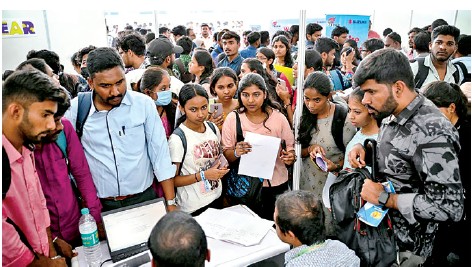
Employment in India is undergoing a significant transformation. For decades, stable salaried jobs—particularly in government or large corporations—were seen as the ultimate markers of security and success. Today, that definition is expanding. Economic shifts, technological change, and evolving aspirations are reshaping how work is created, valued, and sustained across the country.
India’s labour market has always been diverse, but recent years have accelerated new patterns. Formal employment growth has struggled to keep pace with the number of young people entering the workforce.
In response, many workers are turning to self-employment, freelance work, platform-based services, and small enterprises. While often discussed as a consequence of job scarcity, this shift also reflects changing attitudes toward flexibility and independence.
The rise of the gig economy illustrates this change. Delivery services, ride-hailing platforms, content creation, consulting, and remote digital work have created new income opportunities. These roles blur the line between formal and informal employment, offering flexibility while raising questions about stability, benefits, and long-term security. For many workers, gig work is not a temporary solution but a strategic choice.Small businesses and micro-enterprises continue to absorb a significant portion of India’s workforce. From manufacturing units and repair services to food ventures and local retail, these enterprises form the backbone of economic activity.
Increasingly, they are adopting digital tools—online payments, social media marketing, and e-commerce platforms—enhancing visibility and efficiency without large capital investments.Education and skills are also evolving in response to labour market changes. Traditional degrees no longer guarantee employment, leading many individuals to prioritise practical skills. Short-term certifications, vocational training, and online courses are supplementing formal education. Employers, too, are placing greater emphasis on adaptability and problem-solving rather than fixed credentials.
Women’s participation in the workforce presents both challenges and opportunities. While overall participation rates remain low, there is growing engagement in home-based enterprises, digital work, and self-help groups. Access to credit, childcare, and safe transportation remains critical for translating these efforts into sustained employment growth.
Policy frameworks are gradually adapting to these realities. Initiatives supporting startups, skill development, digital payments, and formalisation aim to create a more inclusive labour market. However, the gap between policy intent and on-ground outcomes remains significant, particularly for informal and gig workers who lack social security coverage.The changing nature of employment also raises important questions about dignity and recognition.
As work becomes more fragmented and diversified, social perceptions of status tied to specific job categories are slowly eroding. This cultural shift may be as important as economic reform in building a more resilient workforce.India’s employment story is no longer defined solely by the availability of traditional jobs. It is shaped by experimentation, adaptation, and hybrid models of work.
Start your day with The Savera Morning Brief, bringing you the latest news from India and around the...

Union Home Minister Amit Shah will pay tribute to police martyrs at the National Police Memorial in New...
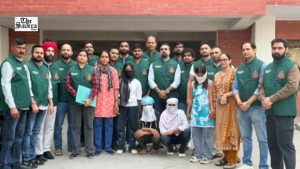
Four more people, including two women, have been arrested in the Tiger Shroff firing case. Delhi Police are...
We are very proud that at present India is the number one country in the world by surpassing...
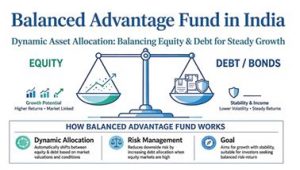
Every investor wants the wealth-creating power of equity and the reassuring stability of debt. Balanced Advantage Funds attempt...
Tourism is a major source of government revenue in our country. There are different types of tourism. Scenic...
Aries: The day will be auspicious...