Last Updated: October 21, 2026
Last Updated: October 21, 2026






Work has always been central to human identity. For centuries, professions defined social status, daily routines, and even personal worth. Farmers, artisans, traders, clerks, and factory workers each played roles shaped by their era’s economic needs. However, in the digital age, the meaning of work is undergoing a profound transformation. Technology is not only changing how people work, but also why, where, and what work means in human lives.
The rise of digital tools has dismantled the traditional workplace model. Offices with fixed hours and physical presence were once the norm. Today, remote work, freelancing, and hybrid arrangements are increasingly common. Cloud computing, video conferencing, and collaborative software have allowed people to work across continents without relocating. This shift has blurred the boundary between professional and personal life, offering flexibility while also introducing new challenges related to time management and mental well-being. Automation has further altered the nature of work. Machines now perform tasks once done exclusively by humans, from manufacturing assembly lines to data analysis. While this has raised concerns about job displacement, it has also created opportunities for new kinds of employment. Roles in artificial intelligence, cybersecurity, digital marketing, and software development did not exist a few decades ago. The modern worker is now expected to continuously adapt, learn, and reskill in response to evolving technological demands.
Another important change lies in the growing emphasis on purpose over permanence. Earlier generations often spent decades in a single organization, valuing stability and long-term security. In contrast, many workers today prioritize meaningful work, personal growth, and work-life balance. Job-hopping is no longer viewed as disloyalty but as a strategy for skill development and better opportunities. This shift reflects a broader cultural change where fulfillment increasingly matters as much as financial compensation.
The gig economy has played a significant role in redefining work. Platforms that connect freelancers with short-term projects have expanded employment options, especially for young professionals. Writers, designers, drivers, consultants, and educators can now monetize their skills independently. While this model offers autonomy and flexibility, it also raises concerns about job security, benefits, and labor protections. The challenge for policymakers lies in balancing innovation with fairness.
Digital work has also democratized access to opportunity. Geographic location, once a major barrier, is becoming less relevant. A skilled professional in a small town can now work for global clients. This has the potential to reduce regional inequalities and encourage decentralized development. However, digital divides still persist, particularly in areas lacking reliable internet or technological infrastructure, highlighting the need for inclusive digital policies.
Education systems are adapting to this changing landscape. Traditional degrees are no longer the sole pathway to employment. Online courses, certifications, and self-directed learning have gained credibility. Employers increasingly value practical skills, adaptability, and problem-solving abilities over formal credentials alone. Lifelong learning has become essential, as workers must continuously update their knowledge to remain relevant.
Despite these transformations, work continues to provide structure and meaning in human lives. It remains a source of identity, social connection, and contribution to society. However, the digital age invites a rethinking of how work fits into a fulfilling life. The future of work may involve fewer rigid schedules, greater emphasis on creativity, and a deeper integration of technology into daily tasks.
Ultimately, the changing meaning of work reflects broader societal shifts. As technology evolves, so must human values, institutions, and expectations. The challenge is not merely to keep pace with change, but to shape a future of work that is inclusive, sustainable, and aligned with human well-being.
We are very proud that at present India is the number one country in the world by surpassing...
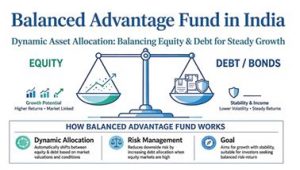
Every investor wants the wealth-creating power of equity and the reassuring stability of debt. Balanced Advantage Funds attempt...
Tourism is a major source of government revenue in our country. There are different types of tourism. Scenic...

Good Evening Viewers! Catch up on the day's biggest stories with The Savera Times Evening Bulletin. Get the...

Congress leaders continued their protest outside the Jaipur Police Commissionerate on Tuesday, demanding the registration of a zero...
On the auspicious occasion of Vijayadashami, Prime Minister Narendra Modi on Tuesday called on the countrymen to unite...
Aries: The day will be auspicious...