Last Updated: October 21, 2026
Last Updated: October 21, 2026





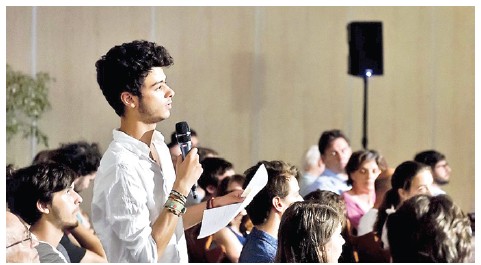
In many parts of the world, democracy is no longer undone by tanks on the streets or the sudden suspension of constitutions. It is eroded quietly—through silence. Not the silence of peace, but the silence that follows fear, fatigue, and the steady narrowing of spaces where disagreement is allowed. When silence becomes policy, societies don’t collapse overnight; they slowly forget how to argue, question, and imagine alternatives.
Public debate is the oxygen of a democracy. It allows competing ideas to clash, weak policies to be challenged, and power to be held accountable. When debate shrinks, power hardens. Decisions are no longer tested against public reason but justified through authority, nationalism, or urgency. The language of governance shifts from explanation to assertion: this must be done, there is no alternative, criticism helps the enemy.
Over time, citizens internalize this logic and begin to censor themselves even before the state needs to.One of the most effective ways silence is enforced today is not through outright bans, but through delegitimization. Critics are labeled anti-national, foreign-funded, urban elites, or enemies of stability. Journalists are accused of spreading panic. Academics are told to “stick to teaching.” Activists are dismissed as troublemakers. None of this requires formal censorship; it only requires repetition. Eventually, the cost of speaking—social isolation, legal trouble, career risk—outweighs the perceived benefit. Silence becomes rational.
Social media, once celebrated as a democratizing force, has complicated this further. While it amplifies voices, it also flattens debate. Algorithms reward outrage over nuance and loyalty over evidence. Complex arguments are reduced to slogans; disagreement is treated as betrayal. In such an environment, many people withdraw not because they don’t care, but because they are exhausted. Constant shouting creates the illusion of debate while discouraging genuine dialogue.
The shrinking of public debate has real-world consequences. Policies made without scrutiny often harm the most vulnerable. Environmental decisions taken without listening to local communities lead to displacement and ecological damage. Economic reforms pushed through without consultation deepen inequality. Security policies framed as unquestionable necessities can normalize exceptional measures that quietly become permanent. Without debate, mistakes are repeated because admitting error is seen as weakness.
Perhaps the most dangerous outcome of enforced silence is moral numbness. When injustices are normalized and dissent is marginalised, societies begin to adjust their moral compass. What once sparked outrage becomes routine. Detentions without trial, hate speech disguised as political rhetoric, or the exclusion of entire communities from public life start to feel ordinary. Silence, in this sense, is not neutral—it actively reshapes what people consider acceptable.
It is important to note that responsibility does not rest with governments alone. Media institutions, too, play a role when they prioritise access over accountability or ratings over rigor. When newsrooms avoid uncomfortable stories to remain “safe,” they contribute to the erosion of debate.
Start your day with The Savera Morning Brief, bringing you the latest news from India and around the...

Union Home Minister Amit Shah will pay tribute to police martyrs at the National Police Memorial in New...
Four more people, including two women, have been arrested in the Tiger Shroff firing case. Delhi Police are...

We are very proud that at present India is the number one country in the world by surpassing...
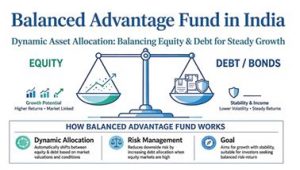
Every investor wants the wealth-creating power of equity and the reassuring stability of debt. Balanced Advantage Funds attempt...
Tourism is a major source of government revenue in our country. There are different types of tourism. Scenic...
Aries: The day will be auspicious...