Last Updated: October 21, 2026
Last Updated: October 21, 2026





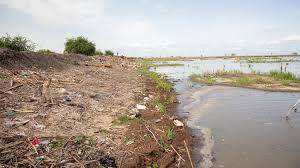
Recently, in Indore, the capital of Madhya Pradesh, which is considered the cleanest and most beautiful city in the country, the supply of contaminated water caused havoc. 21 people have so far fallen victim to the epidemic caused by contaminated water.
Many are undergoing treatment in hospitals.
A similar threat of toxic elements mixing with water looms large in Punjab. If this crisis is not prevented, the situation could worsen here, just as the death toll rose dramatically in Indore. In Punjab, there is a crisis of both insufficient water supply and the danger of toxic elements mixing with the water. The reason for this is illegal colonies and haphazard industrial development. The water of the Sutlej and Beas rivers is becoming polluted.
The waste from illegal colonies and industrial waste, due to improper disposal, is mixing with the water and making it toxic. On one hand, the Kali Bein river has been cleaned through the commendable efforts of Sant Balbir Singh Seechewal, but on the other hand, the uncontrolled development of Ludhiana has turned the Budhha Nullah into a polluted drain. Chemical effluents from factories are freely flowing into the Sutlej and Beas rivers. These toxic elements can bring a host of diseases to the people of Punjab. Sant Seechewal and other environmental activists have come forward to clean the Budhha Nullah, but a comprehensive campaign is needed. First and foremost, the haphazard development of illegal settlements and industries must be controlled, but even more importantly, proper waste disposal is essential.
Start your day with The Savera Morning Brief, bringing you the latest news from India and around the...

Union Home Minister Amit Shah will pay tribute to police martyrs at the National Police Memorial in New...

Four more people, including two women, have been arrested in the Tiger Shroff firing case. Delhi Police are...
We are very proud that at present India is the number one country in the world by surpassing...

Every investor wants the wealth-creating power of equity and the reassuring stability of debt. Balanced Advantage Funds attempt...
Tourism is a major source of government revenue in our country. There are different types of tourism. Scenic...
Aries: The day will be auspicious...