Last Updated: October 24, 2026
Last Updated: October 24, 2026





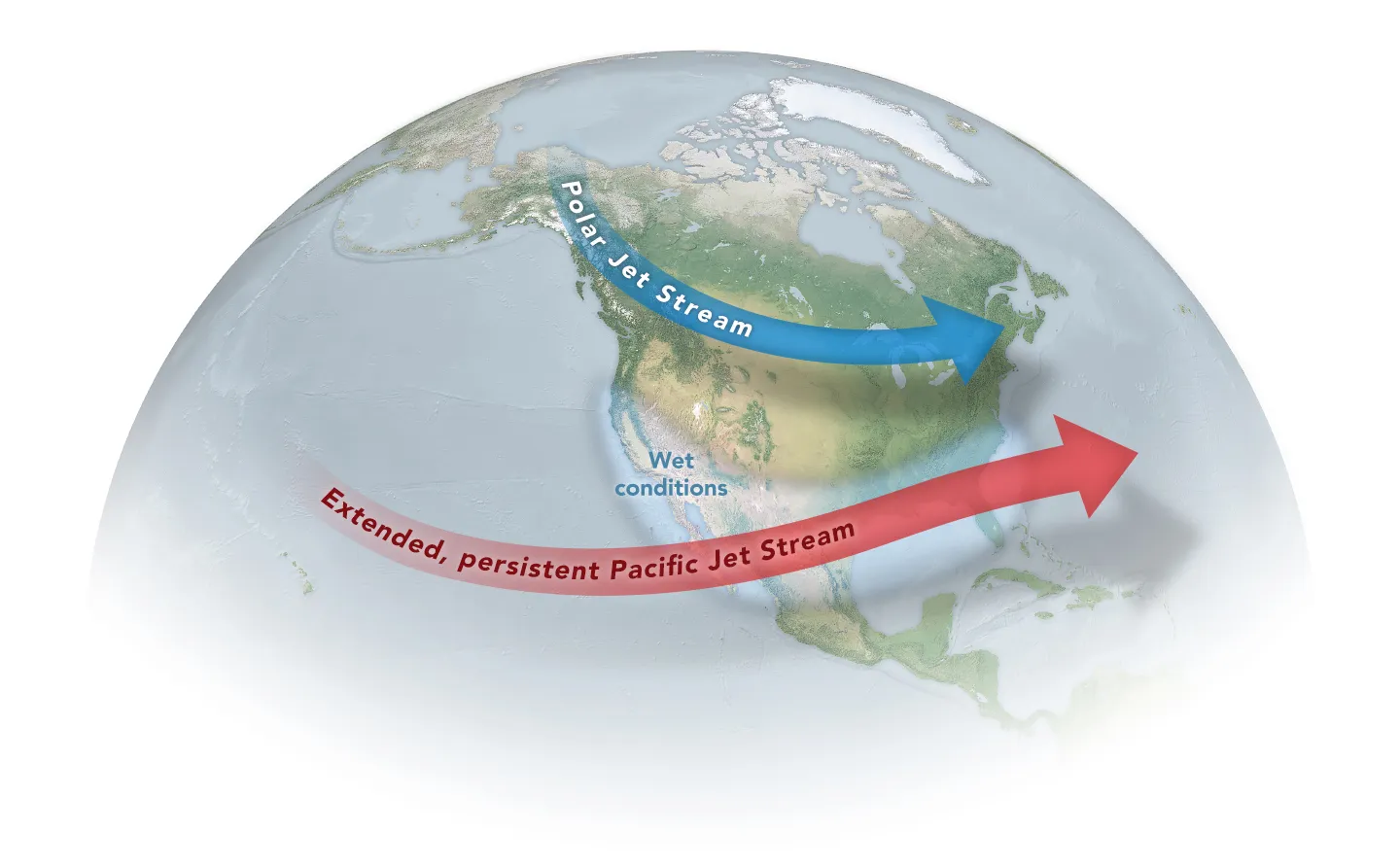
Fueled by unusually warm ocean waters in the tropical Pacific, El Nino conditions are developing and are set to influence global temperature and rainfall patterns, increasing the risk of extreme weather over the coming months. There is need to prepare for a potentially strong El Nino event, which will exacerbate drought and heavy rainfall and increase the risk of heatwaves both on land and in the ocean.
The most recent El Nino, in 2023-2024, was one of the five strongest on record, and it played a role in the record global temperatures in 2024. The WMO community will be carefully monitoring conditions in the coming months to inform governments, humanitarian agencies and climatesensitive sectors. Advance seasonal forecasts and early warnings are vital to save lives and cushion the impact of El Nino.
Meanwhile, UN SecretaryGeneral Antonio Guterres, in a video statement at the conference, said that El Nino conditions “will pour fuel on the fire of a warming world”. The only effective response is climate action equal to the crisis — ending the addiction to fossil fuels, accelerating the shift to renewables, protecting the most vulnerable, and delivering early warning systems for all. Last week, WMO said Global average temperatures are likely to continue at or near record levels in the next five years, with Arctic temperature anomalies expected to continue to be higher than the global mean.
The conclusion was drawn from the WMO report ‘Global Annual to Decadal Climate Update 2026-2035’, produced by Britain’s Met Office and the WMO Lead Centre for Annual to Decadal Climate Prediction, which synthesised predictions contributed by 13 institutes. The update report also takes a look at the observed climate over the past five years and gives regional predictions for temperatures and precipitation over the next five years
The Indian Army on Friday rejected claims on social media that the Army had taken action against the...

Abdul Majid Hakim Elahi, Iran's Supreme Leader's representative and senior diplomat, said on Friday that the US has...

New York, USA: The New York City Council has passed a law to ban horse-drawn carriages, naming the...

Washington: US President Donald Trump suggested that further military action against Iran remained possible, while acknowledging that the...

Lhasa: Sixteen people were killed and 32 others injured after a 7.0-magnitude earthquake struck Tibet on Thursday, according...
More than two weeks after the Yemeni government launched a major offensive against the Houthi group, front lines...

Aries: The day will be auspicious...