Last Updated: October 21, 2026
Last Updated: October 21, 2026





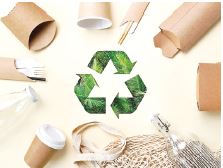
Plastics have become a ubiquitous material in packaging due to their durability and ability to protect products from water, dust, and damage. Yet, the convenience of plastic comes with a heavy environmental cost.
Disposable packaging dominates the market because it is cheaper and easier to produce, procure, and discard. Reusable plastics require additional investment in transportation, cleaning, and processing, making them less attractive to manufacturers. The result is that businesses can offload responsibility for the waste once a product is consumed, leaving nature to bear the cost.
Much of the plastic used in disposable packaging is neither recyclable nor biodegradable. When discarded, it often ends up in landfills or oceans, or is incinerated, contributing to environmental pollution and greenhouse gas emissions. Globally, only about nine per cent of plastic waste is recycled, highlighting the urgency for alternatives.
Sustainable packaging offers a viable solution by reducing the carbon footprint from production to disposal. A range of materials are being developed and adopted in the effort to replace conventional plastics. Biodegradable plastics, derived from renewable sources like sugarcane and cornstarch, decompose naturally without leaving harmful residues. Compostable materials such as paper, cardboard, and some bioplastics can be broken down in specialized composting facilities, turning waste into usable organic matter.
Plant-based bioplastics, sourced from corn, algae, or other renewable crops, provide a sustainable alternative to petroleum-based plastics. Innovations such as mushroom-based packaging use mycelium, the root structure of fungi, to create biodegradable containers and packaging forms. Edible packaging, designed to dissolve in water or be consumed, offers an inventive approach to reducing waste. Other options include materials made from agricultural by-products, such as wheat straw, or seaweed-based packaging, which is both biodegradable and renewable, suitable for wraps, containers, and films.
The underlying issue is not just whether plastics are reusable or disposable, but the scale and unregulated production of plastics worldwide. Every second, large quantities of plastic enter the oceans, causing harm to marine life and ecosystems. Transitioning to sustainable packaging is essential to mitigate these effects and prevent further environmental degradation.
The shift towards eco-friendly alternatives is no longer optional. To protect the planet and conserve resources for future generations, manufacturers, policymakers, and consumers must embrace sustainable packaging solutions before it is too late.
A fire in a hut in Nonapar village of Deoria district claimed three lives, including those of a...

Amit Shah paid tribute to police personnel who died in the line of duty at the National Police...

Reduced water levels at Har Ki Pauri and other Haridwar ghats have inconvenienced pilgrims during the Upper Ganga...

Six people returning from a Dussehra Mela were seriously injured when a car hit them on National Highway...

A bus travelling from Pachiound to Ramnagar fell into a gorge at Gulli Gula in Udhampur district. Nine...

Start your day with The Savera Morning Brief, bringing you the latest news from India and around the...

Aries: The day will be auspicious...