Last Updated: October 21, 2026
Last Updated: October 21, 2026





Sheena Sandhu
A retired civil servant
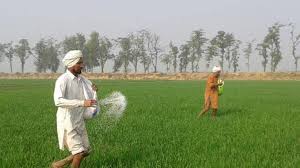
In the fertile plains of Punjab, where agriculture is as much a political identity as it is a livelihood, the term “trade deal” often arrives with a heavy baggage of skepticism. The recent India-US Interim Trade Deal is no exception, triggering a wave of “false narratives” that suggest a surrender of domestic interests. However, a close reading of the Department of Commerce’s recent communication to the Punjab Chief Secretary reveals a strategy defined by “carefully calibrated” safeguards and a “fortress” approach to India’s most sensitive crops.For the Punjabi farmer, the anxiety centers on two fronts: the potential influx of cheap American staples and the erosion of the Minimum Support Price (MSP) ecosystem. Yet, the facts of the agreement suggest these fears are misplaced.
The Fortress of Exclusion
The hallmark of this deal is the “Exclusion Category”. In a move to protect the backbone of the North Indian agrarian economy, the Government of India has ensured that there are no tariff concessions on primary staples. Specifically, Wheat and Rice the twin pillars of Punjab’s procurement systemare entirely outside the scope of the agreement. Furthermore, the protection extends to the burgeoning dairy and poultry sectors. Despite long-standing American demands for market access in these areas, India has maintained a “zero-concession” stance on Dairy, Poultry, Honey, and Soyameal. Even the ambiguous phrasing of “additional products” in diplomatic joint statements has been explicitly clarified: it does not, and will not, include these sensitive sectors.
Calibrated Access, Not Open Borders
Where concessions have been made, they are surgical rather than sweeping. For products where domestic demand consistently outstrips local productionsuch as Apples, Walnuts, and Soyabean Oilthe government has opted for quota-based concessions.
These are not open-ended invitations. These quotas are described as a “small fraction” of current global imports, designed solely to diversify supply chains and fill domestic gaps without depressing the prices earned by Indian growers. Similarly, the limited import of Non-GM Red Sorghum and animal feed is intended to reduce input costs for India’s own livestock industry, thereby making our domestic dairy and poultry farmers more competitive globally. The Rs 14 Lakh Crore Frontier
While the safeguards act as a shield, the deal’s real value lies in its role as a sword for Indian exports. The agreement provides preferential access to a US import market valued at over Rs14 lakh crore.
For Punjab, this translates into immediate opportunities for “strength areas”. Basmati rice, spices, and processed fruit products—juices, pulps, and jamswill benefit from preferential tariffs, allowing Punjab to transition from being the nation’s granary to a global hub for high-value agri-exports. Furthermore, the calibrated quota for high-quality cotton is a strategic nod to the textile industry, aimed at boosting value-added exports which, in the long run, sustains the demand for local cotton.
The Bottom Line
In the world of international trade, the “Interim” nature of this deal is a safeguard in itself, allowing for adjustments as negotiations continue. The Union Ministry’s directive to the Punjab government is clear: the deal is a balance of “opportunities and safeguards”. By insulating the MSP-linked staples and targeting growth in high-value exports, the deal seeks to modernize the Punjabi farmer’s market reach without compromising their security. It is a transition from a defensive posture to a strategic oneensuring that the harvest of Punjab finds a premium place on the global stage.
We are very proud that at present India is the number one country in the world by surpassing...
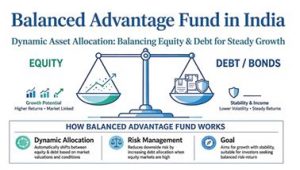
Every investor wants the wealth-creating power of equity and the reassuring stability of debt. Balanced Advantage Funds attempt...
Tourism is a major source of government revenue in our country. There are different types of tourism. Scenic...
Good Evening Viewers! Catch up on the day's biggest stories with The Savera Times Evening Bulletin. Get the...

Congress leaders continued their protest outside the Jaipur Police Commissionerate on Tuesday, demanding the registration of a zero...
On the auspicious occasion of Vijayadashami, Prime Minister Narendra Modi on Tuesday called on the countrymen to unite...
Aries: The day will be auspicious...