Last Updated: October 21, 2026
Last Updated: October 21, 2026





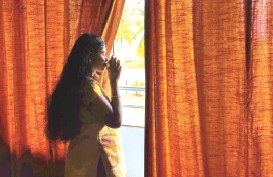
For decades, mental health in India remained a subject confined to medical textbooks and whispered conversations. Emotional distress was often dismissed as weakness, personal failure, or something to be endured in silence. Today, that silence is slowly breaking. Conversations around mental health are becoming more visible, reflecting changing social realities and a growing recognition that psychological well-being is essential to overall health.
Several factors have contributed to this shift. Rapid urbanisation, economic uncertainty, academic pressure, and changing family structures have altered how people experience stress. The COVID-19 pandemic further exposed vulnerabilities, bringing anxiety, grief, and isolation into households across social classes. As these experiences became widespread, mental health could no longer be treated as a marginal issue.
Young people have played a significant role in opening these conversations. Through social media, campus initiatives, and peer support groups, students have challenged stigma and demanded institutional responses. Discussions around depression, burnout, and anxiety are now more common in educational settings, prompting schools and universities to consider counselling services and wellness policies.Despite increased awareness, access to mental health care remains limited. India faces a severe shortage of trained professionals, including psychiatrists, psychologists, and social workers. Most services are concentrated in urban centres, leaving rural populations with few options. Long waiting periods, high costs, and lack of insurance coverage further restrict access.
Cultural factors also shape how mental health is understood. Many families still prioritise social reputation over emotional well-being, discouraging individuals from seeking help. Symptoms are often expressed through physical complaints rather than acknowledged as psychological distress. Addressing mental health in India therefore requires culturally sensitive approaches that recognise these realities.
Workplaces have begun to acknowledge the issue, though progress is uneven. Corporate wellness programmes, employee assistance services, and mental health leave policies are emerging, particularly in larger organisations. However, informal sector workers—who make up a majority of the workforce—remain largely excluded from such initiatives.
Start your day with The Savera Morning Brief, bringing you the latest news from India and around the...

Union Home Minister Amit Shah will pay tribute to police martyrs at the National Police Memorial in New...
Four more people, including two women, have been arrested in the Tiger Shroff firing case. Delhi Police are...
We are very proud that at present India is the number one country in the world by surpassing...
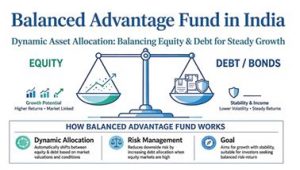
Every investor wants the wealth-creating power of equity and the reassuring stability of debt. Balanced Advantage Funds attempt...
Tourism is a major source of government revenue in our country. There are different types of tourism. Scenic...
Aries: The day will be auspicious...