Last Updated: October 21, 2026
Last Updated: October 21, 2026





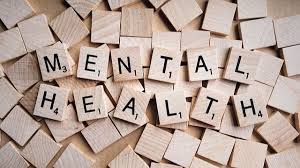
Modern life is moving faster than ever before. Technology has shortened distances, work hours have stretched beyond offices, and social expectations have multiplied. While these changes have improved convenience and connectivity, they have also placed unprecedented pressure on mental well-being. Mental health, once treated as a private or secondary issue, has become a central challenge of our time. Protecting it is no longer optional—it is essential for individuals, families, and society as a whole.
One of the biggest problems is the normalization of constant stress. Long working hours, job insecurity, academic pressure, and social comparison—often intensified by social media—have made anxiety feel routine. Many people accept exhaustion and emotional strain as part of success, ignoring early signs of mental distress. This culture of silence discourages people from seeking help until their condition becomes severe, leading to burnout, depression, or more serious mental disorders.Young people are particularly vulnerable. Students face intense academic competition, uncertain career prospects, and the pressure to meet unrealistic standards. At the same time, digital platforms expose them to constant comparison and online judgment. Without proper emotional support, many struggle with low self-esteem, anxiety, and loneliness. Ignoring mental health in youth not only harms individuals but also weakens future generations
Start your day with The Savera Morning Brief, bringing you the latest news from India and around the...

Union Home Minister Amit Shah will pay tribute to police martyrs at the National Police Memorial in New...
Four more people, including two women, have been arrested in the Tiger Shroff firing case. Delhi Police are...
We are very proud that at present India is the number one country in the world by surpassing...
Every investor wants the wealth-creating power of equity and the reassuring stability of debt. Balanced Advantage Funds attempt...

Tourism is a major source of government revenue in our country. There are different types of tourism. Scenic...
Aries: The day will be auspicious...