Last Updated: October 15, 2026
Last Updated: October 15, 2026





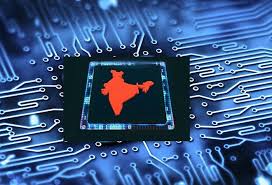
India is making a determined push to establish itself as a global hub for semiconductor manufacturing, recognizing the strategic importance of chips in powering modern technology. From smartphones and automobiles to defense systems and renewable energy infrastructure, semiconductors form the backbone of contemporary industry.
For years, India relied heavily on imports for its semiconductor needs. Global supply chain disruptions during the COVID-19 pandemic exposed vulnerabilities, particularly in sectors like automobile manufacturing, where chip shortages led to production delays. This disruption intensified calls for domestic production capacity.
The government has introduced incentive schemes to attract global semiconductor manufacturers and encourage domestic players to invest in fabrication plants, commonly known as fabs. These facilities require massive capital investment, advanced technology, and a highly skilled workforce. Several international companies have shown interest in partnering with Indian firms to establish manufacturing units.
States are competing to host semiconductor projects by offering land, infrastructure support, and policy incentives. The establishment of semiconductor clusters is expected to create employment opportunities not only in chip fabrication but also in packaging, testing, and ancillary industries.
India’s strength lies in its design capabilities. A significant number of global semiconductor design engineers are based in India, working for multinational technology companies. Leveraging this design expertise to move into manufacturing represents a logical next step. However, challenges remain substantial. Semiconductor fabrication requires uninterrupted power supply, high-quality water resources, and precision-driven manufacturing environments. Building such infrastructure demands careful planning and sustained policy commitment. Moreover, global competition is intense, with established players in East Asia and the United States dominating the market.To support this transition, India is investing in skill development programs focused on microelectronics, chip design, and advanced manufacturing techniques. Academic institutions are collaborating with industry partners to develop specialized courses aligned with global standards.
The push toward semiconductor self-reliance is not only about economic growth but also about national security. Reducing dependence on foreign supply chains ensures strategic autonomy in critical sectors. Over the next decade, the success of India’s semiconductor mission could redefine its position in the global technology landscape.
Punjab AGTF and Haryana STF arrested Gurlal Singh in connection with Ajmeet Singh’s September 11 murder in Naushera...

Uttar Pradesh Police arrested a 28-year-old alleged criminal after an encounter in Noida’s Sector 63. Police said around...

Indian equity benchmarks opened higher on Thursday, with the Sensex rising 183.91 points and the Nifty gaining 48.60...

Union Home Secretary Govind Mohan has tendered an unconditional apology to the Supreme Court over alleged non-compliance with...

Union ministers and chief ministers paid tribute to former President APJ Abdul Kalam on his birth anniversary, recalling...

Start your day with The Savera Morning Brief, bringing you the latest headlines and important developments from India...

Aries: The day will be auspicious...