Last Updated: October 21, 2026
Last Updated: October 21, 2026





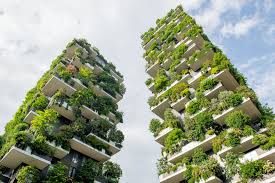
India is witnessing a quiet revolution in agriculture as urban vertical farming gains momentum in metropolitan cities. Vertical farming involves cultivating crops in stacked layers using controlled-environment agriculture (CEA) technology, which optimizes plant growth while minimizing land and water usage. With rapid urbanization, shrinking arable land, and growing demand for fresh produce, vertical farming offers a sustainable and efficient solution to food security challenges. Startups and corporations are increasingly investing in vertical farms across cities such as Bengaluru, Mumbai, and Delhi, producing vegetables, herbs, and leafy greens for urban consumers.
Urban vertical farming addresses multiple challenges faced by conventional agriculture. India loses a significant portion of agricultural produce to inefficiencies in storage, transportation, and pest management. Vertical farms reduce these losses by enabling year-round cultivation in controlled environments, free from unpredictable weather conditions. The technique also conserves water through hydroponics or aeroponics, using up to 90% less water compared to traditional soil-based farming. Additionally, vertical farms require significantly less land, making them suitable for densely populated urban areas where space is limited.
Technological innovations are central to the success of vertical farms. Automated climate control, LED lighting, nutrient monitoring, and IoT-based systems allow farmers to optimize crop yields and reduce labor costs. By controlling temperature, humidity, and light, vertical farms can produce crops with consistent quality and higher nutrient content. Smart farming technologies also enable data-driven decisions, predicting growth cycles and adjusting inputs to maximize efficiency. The integration of renewable energy sources, such as solar panels, further reduces the environmental impact of these farms, aligning with India’s sustainability goals.
Economic considerations play a key role in the growth of vertical farming. Although initial setup costs are high, long-term benefits include reduced transportation costs, minimal pesticide use, and higher crop yields.
We are very proud that at present India is the number one country in the world by surpassing...

Every investor wants the wealth-creating power of equity and the reassuring stability of debt. Balanced Advantage Funds attempt...

Tourism is a major source of government revenue in our country. There are different types of tourism. Scenic...

Good Evening Viewers! Catch up on the day's biggest stories with The Savera Times Evening Bulletin. Get the...

Congress leaders continued their protest outside the Jaipur Police Commissionerate on Tuesday, demanding the registration of a zero...

On the auspicious occasion of Vijayadashami, Prime Minister Narendra Modi on Tuesday called on the countrymen to unite...

Aries: The day will be auspicious...