Last Updated: October 22, 2026
Last Updated: October 22, 2026





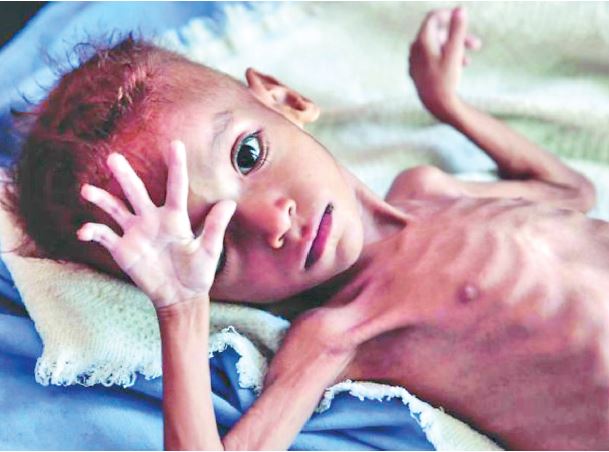
In August 2025, the Food Safety and Standards Authority of India (FSSAI) introduced a new category of foods under the banner of ‘Ayurveda Aahara’. The move aims to promote dietary practices rooted in traditional knowledge. Yet, the question remains: will this wisdom meaningfully reach India’s children, especially through schemes such as the Mid-Day Meal? And will adolescents struggling with rising health issues truly benefit?
The question is urgent because India’s economic progress has not translated into healthier children. The World Bank recently ranked India as the world’s fourth-largest economy. At the same time, the National Family Health Survey (2019–21) paints a sobering picture: over one-third of children under five are stunted, one in five is wasted, and two-thirds are anaemic. These statistics represent millions of children who begin life with poor health, limited energy, and reduced chances of achieving their full potential.
At one end of the spectrum, under-nutrition persists among toddlers. At the other, urban adolescents face lifestyle diseases linked to diets dominated by sugary drinks, packaged snacks, and fast food. Diabetes, high cholesterol, and Polycystic Ovarian Disease (PCOD) are no longer adult concerns but common issues among teenagers. In response, FSSAI, working with the National Institute of Nutrition (NIN) in Hyderabad, has recommended new packaging designs for processed foods to help consumers make more informed choices.
But such interventions only touch the surface. The deeper question is why India faces this “double burden” of malnutrition and lifestyle disease. The answer lies in how nutrition policy has been framed for decades. Most government programmes focus on calorie intake rather than nutritional quality.
Schemes like the Integrated Child Development Services (ICDS), the Mid-Day Meal Scheme, and Poshan Abhiyaan have expanded significantly over the years. Their reach is impressive, but their design often reflects a “charity” mindset: filling stomachs instead of ensuring balanced nutrition. A school meal of rice and dal may ward off hunger but does little to tackle protein or micronutrient deficiencies. Recent policy decisions highlight this problem. In Maharashtra, one of India’s wealthiest states, funding for eggs and millet-based sweets in school meals was withdrawn. This step runs contrary to the fight against undernutrition and shows how nutrition is still treated as an optional add-on rather than a core investment.
The results are evident. Stunting has declined only marginally in recent years, while anaemia rates among children have worsened.
Contrast this with Scandinavia. In Sweden, free and universal school meals have been provided since the aftermath of the Second World War, designed according to strict Nordic Nutritional Standards. Denmark and Norway go further, integrating nutrition counselling into child health services, taxing sugary drinks, and strictly regulating junk food advertisements aimed at children. For these countries, nutrition is a public good, not welfare. Their policies are universal, preventive, and based on the understanding that good nutrition early in life shapes not only health but also education and productivity.
India, in contrast, still relies on targeted, remedial programmes that often arrive too late. Medical science shows that the first thousand days of life—starting from conception—determine cognitive and physical development. Deficiencies during this critical window cannot be fully corrected later.
Meanwhile, the food environment in India worsens the crisis. Supermarkets and small shops are flooded with ultra-processed foods. These are aggressively marketed to children, with confusing labels and weak regulatory oversight. Parents, often unaware of the dangers, feed their children products that quietly harm their long-term health. Scandinavian governments recognised these risks decades ago and implemented strict labelling laws, sugar taxes, and advertising controls.
Encouragingly, India’s Economic Survey 2025 has recommended a health tax on ultra-processed food. If implemented seriously, this could help curb the consumption of products that drive obesity, diabetes, and other lifestyle diseases.
The case for action is clear. Every rupee invested in child nutrition yields multiple returns through reduced healthcare costs, greater productivity, and a healthier workforce. In a country where high medical expenses already push millions into poverty, ensuring good nutrition is not only a public health priority but also a matter of equity.
India has made impressive economic strides. Yet, unless its children are healthier and better nourished, the country risks building its future on fragile foundations. The introduction of ‘Ayurveda Aahara’ shows intent. The real test is whether such measures can move beyond labels and reach the plates of India’s youngest citizens.
Good Evening Viewers! Get the latest updates from India and around the world with The Savera Times Evening...

Bharatiya Janata Party (BJP) National General Secretary Smriti Zubin Irani launched a scathing attack on Congress MP and...
New Delhi: Cockroach Janata Party (CJP) leaders Saurav Das and Ashutosh Ranka will be released from judicial custody...
According to police, three suspicious young men are seen in CCTV footage. Efforts are underway to identify them....

A video has surfaced of an alleged attempted assault on Jan Suraj Party's Bihar president Manoj Bharti. The...
Two accused have been convicted and sentenced to 10 years of rigorous imprisonment in a 2017 drug trafficking...

Aries: The day will be auspicious...