Last Updated: October 21, 2026
Last Updated: October 21, 2026





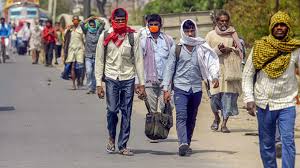
Migrant workers are the backbone of urban economies worldwide, yet they remain among the most vulnerable populations during crises. Whether fleeing conflict, seeking better employment, or escaping environmental disasters, these individuals often face exploitation, inadequate living conditions, and social exclusion. The COVID-19 pandemic exposed these vulnerabilities dramatically, revealing systemic failures in labor rights, healthcare access, and social protections.
In India, millions of internal migrant workers move from rural areas to cities for work. Construction, factories, and informal services largely depend on their labor. Despite their economic contributions, migrant workers often live in overcrowded housing with poor sanitation, limited access to healthcare, and insecure employment. During lockdowns, thousands were forced to walk hundreds of kilometers to their home villages due to lack of transport and support, highlighting the absence of systemic safety nets.
Exploitation in the workplace is common. Migrant workers frequently face wage delays, unsafe working conditions, and discriminatory practices. Many are employed under informal contracts, with no access to social security, medical insurance, or legal recourse. Female migrant workers face additional challenges, including harassment, lack of maternity protections, and gender-based violence. These conditions not only undermine human rights but also perpetuate cycles of poverty and social inequality.
Internationally, migrant workers confront similar challenges. In the Middle East and Southeast Asia, low-wage laborers from South Asia often endure harsh working conditions, passport confiscation, and limited legal protections. Governments and international organizations struggle to enforce labor standards, as economic interests often outweigh human rights concerns. Migrant workers’ voices remain underrepresented in policy-making, leaving them dependent on NGOs and advocacy groups for support.Urban planning and social policy also fail to accommodate migrant populations. Access to affordable housing, public healthcare, and education for children is often restricted. Lack of identification or legal documentation can prevent migrants from accessing government schemes. This marginalization reinforces social exclusion, limiting economic mobility and contributing to the growth of informal settlements in cities.
Addressing the migrant crisis requires a multi-pronged approach. Governments must implement labor protections, enforce minimum wages, and ensure access to healthcare and education. Social programs should include portability of benefits, legal aid, and emergency support mechanisms. At the community level, civil society and NGOs play a crucial role in providing temporary shelters, skill development, and advocacy. Corporate responsibility initiatives can also help, ensuring ethical employment practices and worker welfare.
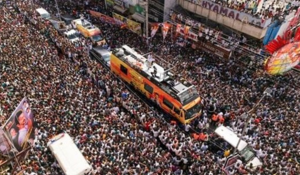
We are very proud that at present India is the number one country in the world by surpassing...
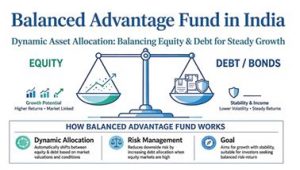
Every investor wants the wealth-creating power of equity and the reassuring stability of debt. Balanced Advantage Funds attempt...
Tourism is a major source of government revenue in our country. There are different types of tourism. Scenic...

Good Evening Viewers! Catch up on the day's biggest stories with The Savera Times Evening Bulletin. Get the...

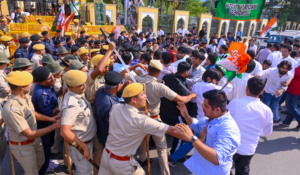
Congress leaders continued their protest outside the Jaipur Police Commissionerate on Tuesday, demanding the registration of a zero...
On the auspicious occasion of Vijayadashami, Prime Minister Narendra Modi on Tuesday called on the countrymen to unite...
Aries: The day will be auspicious...