Last Updated: September 22, 2026
Last Updated: September 22, 2026





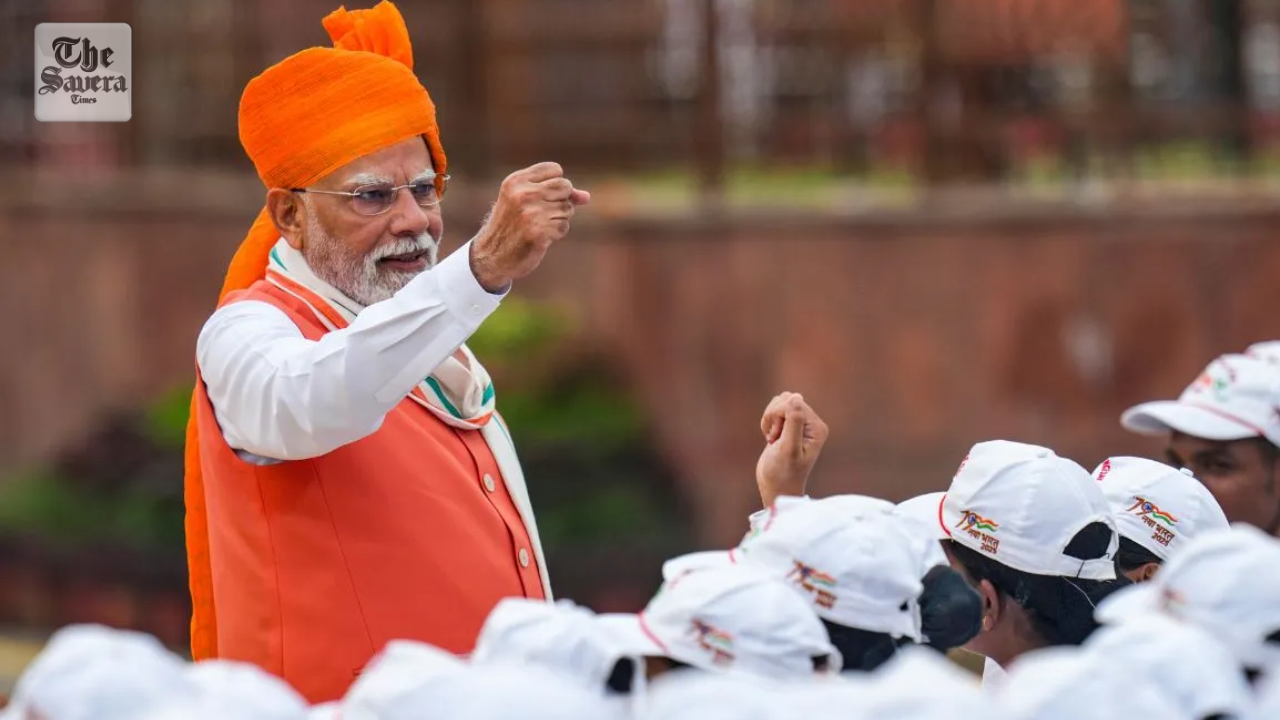
New Delhi: In a bold stand against mounting international pressure, Prime Minister Narendra Modi has reaffirmed India’s commitment to safeguarding its farmers and cultural heritage amid escalating trade tensions with the United States.
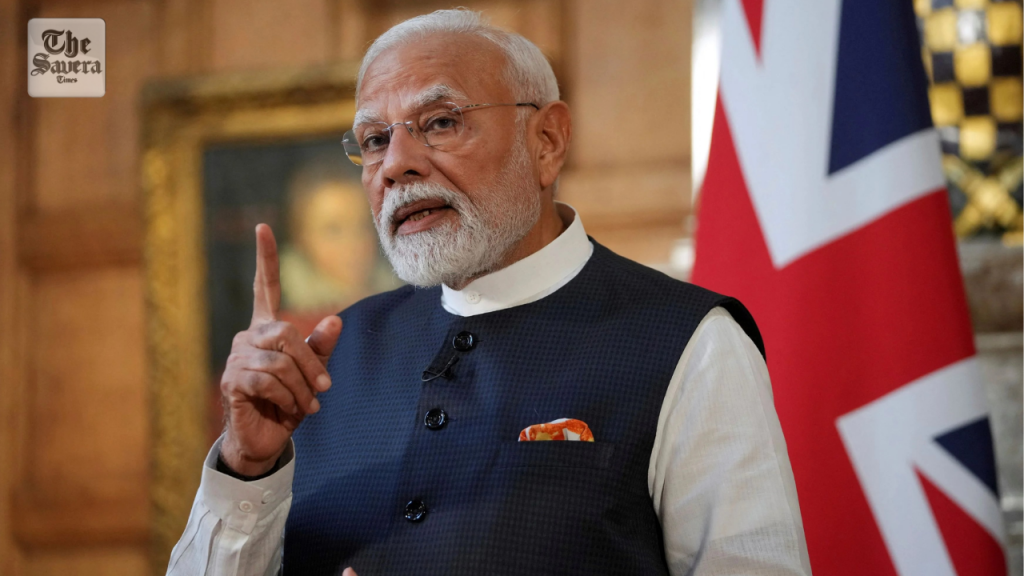
At the heart of the dispute lies the sacred status of the cow in Indian society—often revered as the “humble cow” or Gau Mata—and concerns over US dairy practices involving animal feed and eventual slaughter.
As US President Donald Trump imposes 50% tariffs on Indian goods today, Modi’s government has drawn a firm red line, blocking American dairy imports to protect millions of rural livelihoods and uphold religious sentiments.
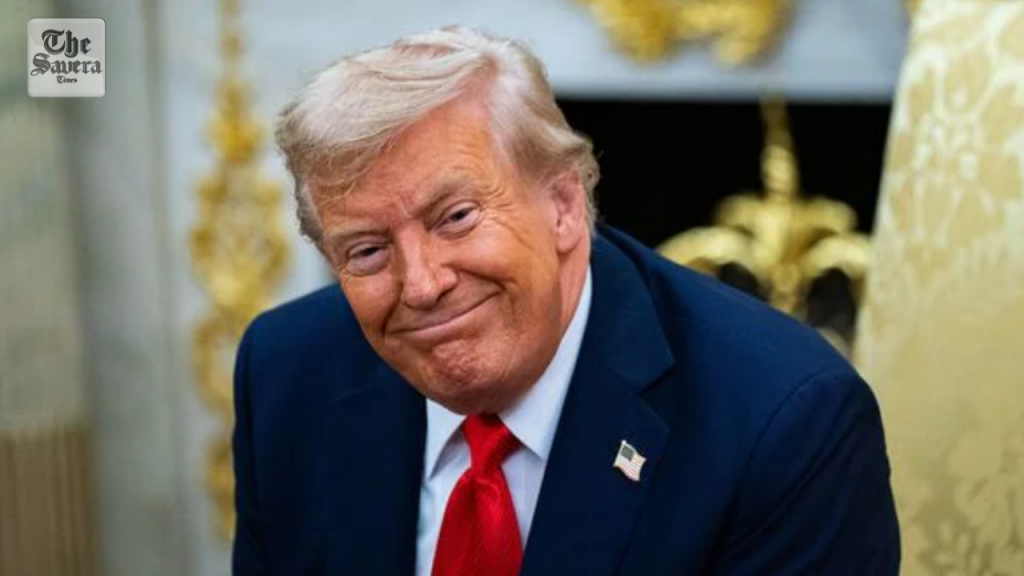
Rising Trade Tensions Between India and the US
The current standoff stems from ongoing trade negotiations, where the US has aggressively pushed for greater access to India’s dairy market, valued at over Rs 7.5-9 lakh crore and contributing 2.5-3% to the national GDP. Trump’s agriculture trade policy, aimed at exporting surplus US dairy products worth $8.22 billion globally in 2024, threatens to flood Indian markets with subsidized imports. In response, India has faced threats of retaliatory tariffs, culminating in today’s 50% levy on Indian exports.
This isn’t the first clash; the US has raised concerns at the World Trade Organization over India’s stringent dairy certification requirements updated in November 2024. However, India’s position remains unyielding, prioritizing domestic interests over concessions that could undermine its self-reliance drive, Aatmanirbhar Bharat.
The Controversy Over ‘Non-Veg Milk’ and US Slaughter Practices
Central to India’s refusal is the concept of “non-veg milk”—dairy products from US cows fed animal-based feeds, including meat, blood, bone meal, and even parts of pigs, fish, chickens, horses, cats, or dogs. Unlike in India, where cattle are raised on plant-based diets and revered as sacred, US dairy cows are routinely sent to slaughterhouses once their milk production declines, a practice that clashes with Hindu and Jain beliefs in non-violence and purity.
“Milk and ghee are integral to our rituals and daily life; they must be satvik (pure),” explained Ajay Srivastava from the Global Trade Research Institute. “Importing products from cows fed animal remains or destined for slaughter would be unthinkable.” With 38% of Indians adhering to a vegetarian diet, such imports risk offending cultural sensitivities and disrupting social harmony.
India’s Department of Animal Husbandry and Dairying mandates veterinary certifications ensuring no animal-derived feeds are used, explicitly excluding meat, bone meal, internal organs, or blood from ruminant or porcine origins—except milk products themselves. This policy directly counters US practices, where antibiotics, genetically modified feeds, and slaughter are standard, rendering their dairy “impure” in Indian eyes.
Safeguarding Farmers and the Rural Economy
India, the world’s largest milk producer with 239 million metric tons in 2023-24, supports over 80 million people through its dairy sector, primarily small and marginal farmers with just 2-3 animals each. Allowing US imports could crash domestic prices by at least 15%, leading to annual losses of Rs 1.03 lakh crore, according to a State Bank of India analysis.
Farmers like Mahesh Sakunde from Maharashtra have voiced fears: “This would devastate our industry and livelihoods.”By blocking these imports, the government shields rural economies from foreign competition, echoing the White Revolution’s legacy of self-sufficiency and preventing a repeat of historical dependencies like the PL-480 wheat deal.
PM Modi’s Unwavering Commitment to Protection
Just two days before the US tariff deadline, PM Modi addressed a gathering in Ahmedabad, vowing, “For Modi, your interest is paramount. My government will never compromise on your interests. No matter how much pressure comes, we will bear it. But, your interests will never be harmed.”Specifically mentioning farmers and cattle-rearers, he urged a focus on swadeshi (indigenous) goods to build a “Viksit Bharat” (developed India).
Under Modi’s leadership, India has consistently resisted trade pressures, including withdrawing from the Regional Comprehensive Economic Partnership over similar dairy concerns.A senior government source affirmed, “There is no question of conceding on dairy. That’s a red line”. This stance not only defends economic sovereignty but also reinforces cow protection laws, aligning with the BJP’s long-standing advocacy against slaughter.
As tariffs take effect today, Modi’s resolve symbolizes a broader fight for cultural integrity and farmer welfare, ensuring the humble cow remains a pillar of India’s identity rather than a casualty of global trade.
Congress MP Priyanka Gandhi Vadra raised concerns over women's safety after an alleged minor harassment case in Bihar's...
Stay updated with the top India and world news in The Savera Afternoon Bulletin, featuring the latest breaking...

Salim Dola's arrest has disrupted the Haji Salim narcotics network, with officials saying the cartel has reduced consignment...
The main accused in the alleged harassment of a minor girl and her male companion in Bihar's Jamui...
New Delhi: The Centre has told the Supreme Court that the National Testing Agency (NTA) is being strengthened...
Shillong: The Meghalaya government has notified the MBOSE hostel at Laitumkhrah locality in Shillong as a temporary detention...

Aries: The day will be auspicious...