Last Updated: September 25, 2026
Last Updated: September 25, 2026





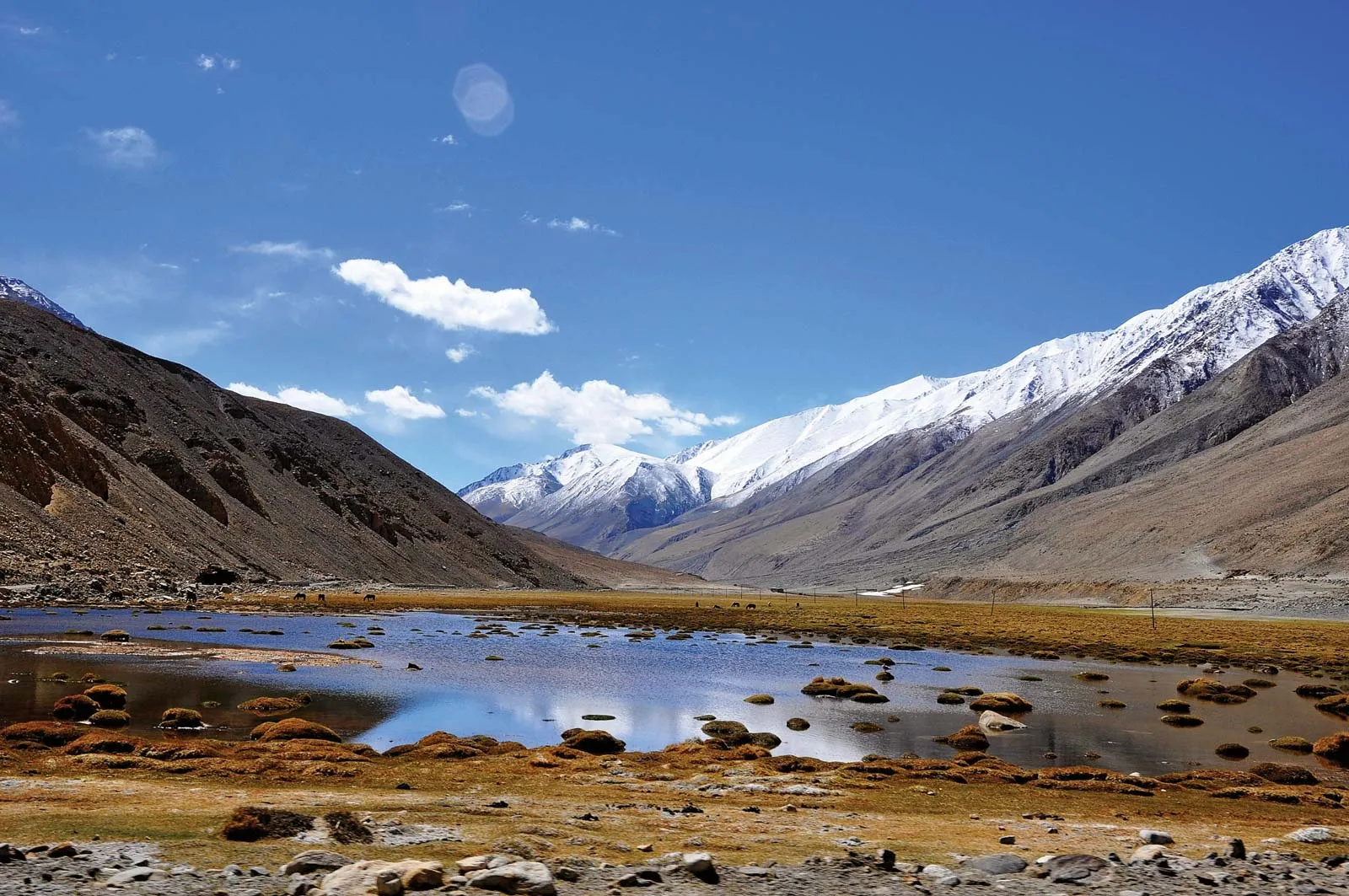
This week, the environmental consultancy firm Systemic released a report stating that the recent disaster of massive floods and loss of life caused by glacier melt in Nepal remains a threat. This threat is not limited to Nepal but to eight countries, with India being the most prominent. It is followed by Afghanistan, Nepal, China, Myanmar, Pakistan, Bangladesh, and Bhutan. This entire region is known as the Hindu Kush region. Scientists are warning that there are 40,000 glaciers here, but only 21 are properly monitored. Natural disasters are caused by sudden climate change and can become deadly. The danger in India is even greater, as there are 200 lakes here that could burst their banks at any time. Of these, 56 lakes are at dangerous levels. Glaciers are melting throughout the Himalayan region. The ground, frozen for centuries, is melting. India’s 200 glacier-formed lakes, if they breach their embankments, could cause devastation. Such incidents have occurred in India before. In 2021, a rock avalanche struck Uttarakhand, causing massive devastation. In 2023, a glacier lake burst in Sikkim, causing massive devastation. Two billion people in the world, affected by natural disasters, live in Himalayan countries. While the Himalayas are a source of water for all of them, due to climate change and fluctuating temperatures, scientist Dr. Jackson says that between 2010 and 2019, glaciers melted at a rate 65 percent faster than in the previous decade. The 2015 Paris Scientific Agreement set a limit of 1.5 degrees Celsius. The world has already exceeded this limit. If this continues, there is a danger that by the end of this century, one-third of the glaciers in the Hindu Kush Himalayas will disappear, causing a deluge. A similar disaster occurred in Nepal on August 26th. At that time, it was observed that there was a complete lack of warning or monitoring system, hence the devastation was sudden and massive. Where is this monitoring or security system in place in other countries, including India? Melting Himalayan glaciers cause landslides, burst lakes, and create the danger of overflowing rivers. 2 billion people living in the Himalayan region are at risk, including a large number of Indians. According to scientists, such incidents will continue in the future due to this type of climate change. Now, while the administration cannot stop natural disasters, it can monitor them to know when the danger will occur. What precautions should be taken for protection? Mountain scientists at Utrecht University in the Netherlands also agree that it is impossible to assign a single scientist to each of the 40,000 glaciers in this region. Therefore, the first step is to identify vulnerable glaciers that could devastate cities, villages, and hydroelectric dams in the first strike. Cameras cannot be installed everywhere, so satellite and radar technology is being used for surveying and identifying them. Through information and satellite imagery, early warnings of mountain slides, rock cracks, and sudden rises in lake levels can be delivered to all areas. The question is how to establish so many information centers at various locations and how to quickly disseminate information about the danger to every affected corner. Anticipating this danger, the Indian government has increased the number of information centers to more than 50. Importantly, a solution must be found to disseminate information to everyone as soon as a danger arises.
New Delhi: The Supreme Court has upheld the Bombay High Court’s view that offering ‘Dua’ (prayer) for electoral...
New Delhi: The National Investigation Agency (NIA) has arrested two more accused in connection with the Improvised Explosive...

Patna: The Bihar Congress staged a protest march in Patna on Friday against Chief Election Commissioner Gyanesh Kumar...

Kabul: Pakistan’s actions have imposed a heavy human toll on Afghan civilians, with millions of refugees displaced, tens...
New Delhi: Four women wrestlers have challenged before a sessions court, the acquittal of former Wrestling Federation of...

New Delhi: No major GST rate changes are expected at the next GST Council meeting on October 7,...