Last Updated: October 1, 2026
Last Updated: October 1, 2026





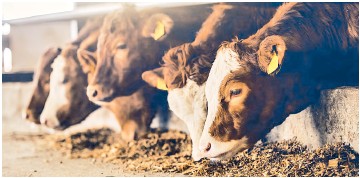
Twenty-eight low-income countries across Africa and the Pacific have called on high-income nations to pay for the climate damage linked to emissions from the industrial livestock sector. At the recently concluded COP30 in Belem, Brazil, these countries argued that if wealthier nations will not voluntarily curb greenhouse gas emissions from large-scale meat production, they should be required to compensate developing countries through a formal pricing mechanism.
The countries, including Nigeria, Uganda, Chad, Liberia, Fiji and Papua New Guinea, endorsed the Belém Declaration on GHG Emission Pricing on Agri-Food Systems. The document urges major economies such as the European Union, the 30 OECD member states and China to introduce pricing systems targeting emissions from industrial meat and dairy production. The signatories argued that consumption patterns in wealthy countries drive a disproportionate share of emissions while poorer nations face the most severe consequences.
Together, the African and Pacific signatories represent about 14 million people who are already dealing with rising temperatures, extreme weather and sea-level rise. They said the polluter-pays principle should guide future climate action. At least 20 per cent of the revenue raised through any GHG pricing system, they proposed, should be directed to the Loss and Damage Fund. This fund is designed to help vulnerable countries cope with climate impacts that cannot be avoided through adaptation alone.
The declaration received backing from 80 non-governmental and international organisations, which argued that agriculture-related emissions have not received adequate attention in global climate negotiations. While fossil fuels remain the primary driver of global warming, industrial livestock production contributes significantly through methane, land-use changes and resource-intensive supply chains.
Jeroom Remmers, director and founder of the TAPP Coalition, which led the drafting of the declaration, said the African signatories alone account for nearly 30 per cent of the continent’s population. He noted that the Pacific island nations involved are among the most threatened in the world, with rising seas already affecting freshwater sources, shorelines and food security. According to Remmers, the impacts of global meat and dairy consumption are visible in these regions, yet the countries contributing the least to emissions are left to bear the largest risks.
The joint appeal from seven African countries and 21 Pacific nations adds fresh pressure on wealthier countries to address agricultural emissions more directly. The statement in Belem underlines a growing demand from climate-vulnerable nations for equitable contributions from high-emission economies as global negotiations move into a critical phase.
India is increasingly aligning its development agenda with climate action, integrating renewable energy, energy efficiency and green industrial...

– Abhishek Vij While the National Statistical Office’s data promises a better position for the country globally, it...
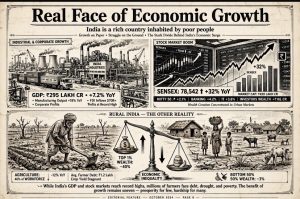
The Savera Times Evening Wrap brings you the top India and world news, covering major developments across politics,...

Pakistan-based LeT terrorist Mohammad Asif alias Hashim Moosa, wanted in the Pahalgam terror attack case, was killed in...

The Supreme Court has ruled out both a complete firecracker ban and unrestricted 24-hour use, indicating that permissible...

The Centre has approved higher MSP for all mandated Rabi crops for the 2027-28 marketing season, with safflower...
Aries: The day will be auspicious...