Last Updated: November 12, 2026
Last Updated: November 12, 2026





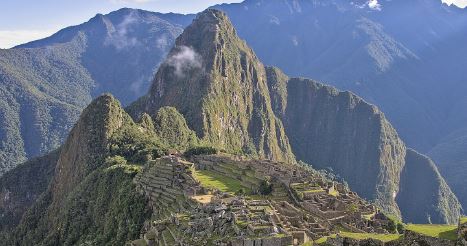
Nearly two decades after being declared one of the “New Seven Wonders of the World,” Machu Picchu is facing mounting pressures that could threaten its global recognition. The Switzerland-based New7Wonders foundation has cautioned that the iconic Inca site may be at risk of losing its prestigious title due to overtourism, insufficient conservation policies, and ongoing local conflicts.
Machu Picchu, a 15th-century Inca citadel perched 7,970 feet above sea level, lies approximately 80 kilometres from Peru’s Cuzco. The site gained international attention after Yale University professor Hiram Bingham visited it in 1911 with the guidance of a local resident. Often mischaracterised as the “lost city of the Incas,” Machu Picchu was designated a UNESCO World Heritage site in 1983 and has since become Peru’s top tourist attraction.
Following a 2007 global vote, the site earned its place among the New Seven Wonders of the World after receiving over 100 million votes. Tourism has grown steadily, with estimates suggesting that over 1.5 million people visit the site annually—around 5,000 per day. This influx has placed the site under significant strain. The high volume of visitors has caused wear and tear on the ruins, while increased foot traffic has contributed to waste accumulation and congestion in surrounding towns. Local communities have also faced rising costs and crowded streets.
The Peruvian government has introduced several measures to mitigate these pressures. The Inca Trail now closes annually for maintenance. Visitors are required to purchase tickets in advance, visit in groups of no more than ten per guide, and limit their stay to a maximum of four hours. Authorities have also increased the number of restroom facilities and waste disposal points. While these steps aim to control overtourism, experts warn that the measures may not fully protect Machu Picchu from long-term damage.
Local conflicts have further complicated the situation. On September 16, 2025, nearly 1,000 tourists were stranded after PeruRail train services were blocked due to protests between local residents and authorities. The protests centered on control over the route leading to the archaeological site, with demonstrators using logs and rocks to obstruct the tracks. Around 1,400 tourists were evacuated overnight, and subsequent blockages left additional visitors stranded. The US Embassy in Peru issued a Level 2 travel advisory, citing crime, civil unrest, and kidnapping risks, and warned that demonstrations in Machu Picchu Pueblo were expected to continue.
The New7Wonders foundation has expressed concern that escalating local disputes could jeopardize Machu Picchu’s status as a wonder of the modern world. In a statement to the Peruvian government, the group emphasised the need for coordinated short-term and long-term management solutions, with local advisory support already in place. Jean-Paul de la Fuente, New7Wonders director, noted that the current situation should serve as a wake-up call for all stakeholders to act responsibly.
It is important to note, however, that Machu Picchu’s UNESCO World Heritage designation remains secure. Peru’s Ministry of Culture clarified that UNESCO is the only competent body for the identification, protection, and preservation of cultural and natural heritage.
Hyderabad (Telangana): According to the police, a woman was found dead lying on the floor with blood stains...

Mananthavady (Keralam): Congress’ Wayanad MP Priyanka Gandhi lashed out at the BJP alleging that the party had for...

In Faridabad, Haryana, a neighbor shot and killed 42-year-old Paramjeet Dhankhar over a parking dispute and other minor...

New Delhi: Union Home Minister Amit Shah will visit Delhi Police Headquarters on Thursday to take stock of...

Abu Dhabi: Jared Kushner, US President Donald Trump’s son-in-law, disclosed on Wednesday that he and Middle East envoy...

Uttarakhand: Former Indian cricketer and Rajya Sabha MP Harbhajan Singh met Uttarakhand Chief Minister Pushkar Singh Dhami at...

Aries: The day will be auspicious...