Last Updated: October 21, 2026
Last Updated: October 21, 2026





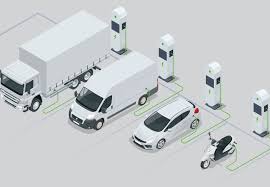
India’s transportation sector is undergoing a transformative shift as electric vehicles (EVs) gain traction in the market. With increasing urban pollution, rising fuel costs, and government incentives, more consumers are considering EVs as a sustainable alternative to traditional internal combustion engine (ICE) vehicles. The Indian government’s ambitious target to have 30% of all vehicles electric by 2030 has catalyzed investment from domestic and foreign automakers, including Tata Motors, Mahindra Electric, and global giants like Tesla.
The growth of EVs in India is driven not only by policy support but also by the increasing affordability of lithium-ion batteries, improved charging infrastructure, and heightened environmental awareness among citizens.
Environmental benefits are among the most compelling arguments for adopting EVs. Transportation accounts for nearly 14% of India’s greenhouse gas emissions, contributing significantly to urban air pollution, which causes health issues like asthma, lung disease, and cardiovascular problems. EVs produce zero tailpipe emissions, reducing local air pollutants such as nitrogen oxides (NOx) and particulate matter (PM). A study by the International Council on Clean Transportation found that a single EV in India can prevent up to 2.3 tons of CO2 emissions annually compared to conventional petrol or diesel vehicles. Beyond carbon reduction, EV adoption can curb noise pollution in urban areas, improving the quality of life for residents.
However, the transition is not without challenges. One of the biggest hurdles is the lack of widespread charging infrastructure. While metro cities like Delhi, Bengaluru, and Mumbai have witnessed growth in public charging stations, rural and semi-urban areas remain underserved.
We are very proud that at present India is the number one country in the world by surpassing...
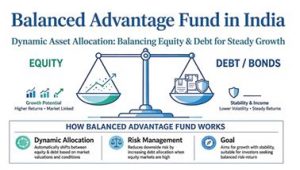
Every investor wants the wealth-creating power of equity and the reassuring stability of debt. Balanced Advantage Funds attempt...
Tourism is a major source of government revenue in our country. There are different types of tourism. Scenic...
Good Evening Viewers! Catch up on the day's biggest stories with The Savera Times Evening Bulletin. Get the...

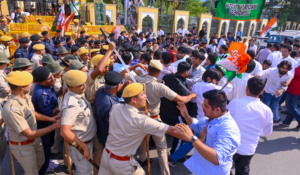
Congress leaders continued their protest outside the Jaipur Police Commissionerate on Tuesday, demanding the registration of a zero...
On the auspicious occasion of Vijayadashami, Prime Minister Narendra Modi on Tuesday called on the countrymen to unite...
Aries: The day will be auspicious...