Last Updated: October 21, 2026
Last Updated: October 21, 2026





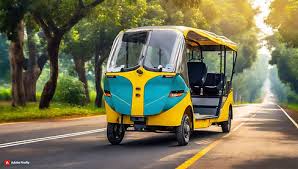
India’s urban transport system is undergoing a silent but significant transformation with the rapid adoption of electric vehicles (EVs). Rising fuel prices, growing environmental awareness, and supportive government policies have accelerated the transition from internal combustion engines to battery-powered mobility solutions.
Over the past few years, electric two-wheelers and three-wheelers have led the charge. In cities such as Delhi, Bengaluru, and Pune, electric scooters have become a common sight. Their lower operating costs compared to petrol vehicles make them attractive to daily commuters and gig economy workers. Delivery services and ride-sharing platforms are also increasingly shifting to electric fleets, aiming to reduce fuel expenses and carbon footprints.
Government initiatives have played a crucial role in this shift. Schemes offering subsidies on electric vehicle purchases, tax incentives, and support for local manufacturing have boosted both demand and supply. Several states have introduced their own EV policies, providing benefits such as road tax exemptions, registration fee waivers, and incentives for charging infrastructure development.
Infrastructure, once seen as a major obstacle, is gradually improving. Public charging stations are being installed at malls, metro stations, residential complexes, and highways. Private players and energy companies are investing heavily in fast-charging networks. Although charging time and range anxiety remain concerns, improvements in battery technology are addressing these challenges.
The domestic manufacturing ecosystem is also expanding. Indian startups and established automobile companies are investing in electric mobility research and production facilities. Battery manufacturing, particularly lithium-ion cells and alternative chemistries, is emerging as a strategic sector. The government’s push for localized production aims to reduce dependence on imports and strengthen supply chains.
Environmental benefits are another driving factor. Major Indian cities consistently face severe air pollution. Electric vehicles, while not entirely emission-free when accounting for electricity generation, significantly reduce tailpipe emissions. This is particularly important in densely populated urban centers where vehicular pollution contributes heavily to deteriorating air quality.
However, the transition is not without hurdles. The upfront cost of electric cars remains higher than traditional vehicles, limiting mass adoption in the passenger car segment. Charging infrastructure in smaller towns and rural areas is still inadequate. Moreover, battery disposal and recycling mechanisms require robust regulatory frameworks to prevent future environmental issues.
Consumer perception is also evolving. Earlier skepticism regarding performance, reliability, and resale value is gradually diminishing as more users share positive experiences.
Test drives, promotional campaigns, and word-of-mouth recommendations are encouraging hesitant buyers to consider electric alternatives.
The electric vehicle revolution is also reshaping employment patterns. New opportunities are emerging in battery manufacturing, charging infrastructure management, software development, and vehicle maintenance.
Skill development programs are increasingly focusing on EV-specific technical training to prepare the workforce for this transition.
Looking ahead, India’s EV journey appears promising. With continued policy support, technological advancements, and consumer awareness, electric mobility is likely to become mainstream over the next decade. The transformation is not merely about replacing petrol engines with batteries; it represents a broader shift toward sustainable urban living and energy efficiency.
As Indian cities grapple with congestion and pollution, electric vehicles may well become a cornerstone of cleaner, smarter transportation systems.
We are very proud that at present India is the number one country in the world by surpassing...

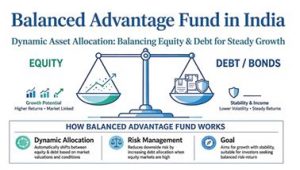
Every investor wants the wealth-creating power of equity and the reassuring stability of debt. Balanced Advantage Funds attempt...
Tourism is a major source of government revenue in our country. There are different types of tourism. Scenic...

Good Evening Viewers! Catch up on the day's biggest stories with The Savera Times Evening Bulletin. Get the...

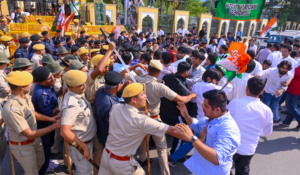
Congress leaders continued their protest outside the Jaipur Police Commissionerate on Tuesday, demanding the registration of a zero...
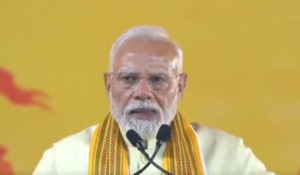
On the auspicious occasion of Vijayadashami, Prime Minister Narendra Modi on Tuesday called on the countrymen to unite...
Aries: The day will be auspicious...