Last Updated: October 21, 2026
Last Updated: October 21, 2026





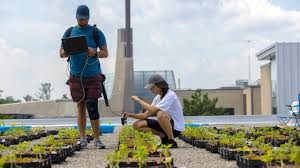
Urban gardening is no longer a niche hobby. Across cities worldwide, residents are transforming small rooftops, balconies, and community spaces into green sanctuaries. With rising urbanization, more people are seeking ways to reconnect with nature, grow their own food, and improve the quality of life in concrete jungles.
The appeal of urban gardening is multifaceted. At its core, it provides access to fresh, homegrown produce. Leafy vegetables, tomatoes, herbs, and even small fruits can thrive in limited spaces with modern techniques like container gardening, vertical gardening, and hydroponics. This not only reduces the carbon footprint associated with transporting food but also allows individuals to monitor pesticide use and focus on organic practices.
Community gardens are another vital aspect of urban gardening. These spaces often bring together neighbors, fostering social cohesion and a sense of belonging. Participants share knowledge, seedlings, and experiences, creating intergenerational learning opportunities. For instance, older gardeners can pass down traditional farming knowledge while younger participants contribute with modern techniques and digital tracking of plant growth. In cities where isolation is a growing concern, these gardens serve as vital social hubs.
Beyond food production, urban gardening significantly contributes to environmental sustainability. Plants improve air quality by filtering pollutants and releasing oxygen. Green rooftops and vertical gardens help reduce the urban heat island effect, a phenomenon where cities are warmer than surrounding rural areas due to concrete surfaces absorbing heat. Rainwater management is another benefit; garden beds and planters can help absorb excess rainwater, reducing strain on city drainage systems.
Urban gardening also has mental health benefits. Studies have shown that interacting with plants reduces stress, anxiety, and depression. Engaging in gardening routines gives individuals a sense of purpose and mindfulness, providing a break from digital distractions and busy city life. For many, the garden becomes a therapeutic space where creativity and patience are nurtured alongside plants.
Technology is playing a significant role in the urban gardening boom. Smart irrigation systems, mobile apps for plant care, and affordable sensors now help urban gardeners optimize plant growth. Even small apartments can host thriving gardens with indoor hydroponic systems, LED grow lights, and automated nutrient delivery systems. These advancements make gardening accessible to people who may have limited time or space.
Schools and educational institutions are also incorporating urban gardens into their curriculums. Students learn not just about biology and environmental science but also about sustainability, teamwork, and nutrition. Urban farms can even supply school cafeterias with fresh vegetables, creating a full circle from education to practical application.
Governments and municipalities are beginning to recognize the economic and social potential of urban gardening. Incentives such as grants, subsidies for rooftop installations, and community plot allocations are increasingly common. Cities like Singapore, New York, and London are leading initiatives to integrate green spaces into urban planning, ensuring that future cityscapes balance infrastructure with environmental needs.
The benefits of urban gardening extend far beyond the garden plot. It addresses food security, environmental health, social cohesion, and mental well-being. As cities grow denser and lifestyles become busier, urban gardening offers a practical and meaningful way to reconnect with nature while contributing to healthier communities.
In conclusion, urban gardening is more than a trend; it is a movement that reshapes how cities function and how people interact with their environment. With minimal space, effort, and investment, residents can transform their surroundings into productive, green, and healthy spaces. As urban populations continue to grow, adopting urban gardening practices could play a critical role in building sustainable and resilient cities for the future.
We are very proud that at present India is the number one country in the world by surpassing...

Every investor wants the wealth-creating power of equity and the reassuring stability of debt. Balanced Advantage Funds attempt...

Tourism is a major source of government revenue in our country. There are different types of tourism. Scenic...

Good Evening Viewers! Catch up on the day's biggest stories with The Savera Times Evening Bulletin. Get the...

Congress leaders continued their protest outside the Jaipur Police Commissionerate on Tuesday, demanding the registration of a zero...

On the auspicious occasion of Vijayadashami, Prime Minister Narendra Modi on Tuesday called on the countrymen to unite...

Aries: The day will be auspicious...