Last Updated: October 21, 2026
Last Updated: October 21, 2026





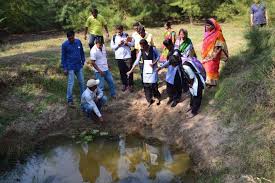
Across South Asia, a new generation is redefining environmental activism—not through slogans alone, but through grassroots action, innovation, and community engagement. From the Himalayas to coastal villages, young people are stepping up to protect ecosystems, influence policy, and reimagine development.
Unlike earlier environmental movements that were often driven by academics or NGOs, today’s initiatives are increasingly youth-led. Students, first-time voters, climate educators, and young entrepreneurs are translating concern into practical solutions—cleaning rivers, restoring forests, and advocating for sustainable livelihoods.
In Kashmir and Himachal Pradesh, youth groups are reviving traditional water sources and documenting glacial changes using mobile technology. In Assam and Bangladesh, young volunteers are working with flood-affected communities to promote climate-resilient housing and crop diversification. Coastal youth in Kerala and Sri Lanka are leading mangrove restoration drives, recognising their role in protecting shorelines from rising seas. Social media has amplified these efforts, allowing local struggles to gain global visibility. But what truly sets these movements apart is their rootedness in local realities. Many young activists come from communities already experiencing climate impacts—erratic rainfall, shrinking farmlands, or extreme heat. Their advocacy is informed not by theory alone, but by lived experience.
Start your day with The Savera Morning Brief, bringing you the latest news from India and around the...

Union Home Minister Amit Shah will pay tribute to police martyrs at the National Police Memorial in New...

Four more people, including two women, have been arrested in the Tiger Shroff firing case. Delhi Police are...
We are very proud that at present India is the number one country in the world by surpassing...

Every investor wants the wealth-creating power of equity and the reassuring stability of debt. Balanced Advantage Funds attempt...

Tourism is a major source of government revenue in our country. There are different types of tourism. Scenic...

Aries: The day will be auspicious...