Last Updated: October 21, 2026
Last Updated: October 21, 2026





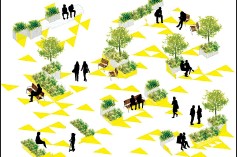
Public spaces—parks, playgrounds, walking tracks, and open plazas—are often taken for granted. Yet these shared environments play a crucial role in shaping the physical, mental, and social health of communities. In recent years, there has been renewed attention on the importance of well-designed public spaces in Indian towns and cities.
Accessible public spaces encourage physical activity. Parks and open grounds provide areas for walking, jogging, yoga, and informal sports. Regular movement reduces the risk of lifestyle-related diseases and promotes overall well-being across age groups.
Public spaces also support mental health. Exposure to greenery and open environments helps reduce stress and anxiety. For many urban residents living in compact housing, parks offer essential breathing space and a break from daily pressures.
Social interaction is another key benefit. Public spaces bring together people from different backgrounds, ages, and occupations. Children play together, elders gather for conversations, and families spend time outdoors. These interactions strengthen social bonds and foster a sense of community.
Inclusivity is an important aspect of public spaces. When designed thoughtfully, they cater to women, children, senior citizens, and persons with disabilities. Safe lighting, seating, ramps, and clean facilities make spaces welcoming for all.
Public spaces also have economic value. Street vendors, small kiosks, and local markets often thrive around parks and plazas. Cultural events, performances, and exhibitions create opportunities for local artists and entrepreneurs.
Urban planning initiatives increasingly recognise these benefits. Several cities are investing in the redevelopment of parks, riverfronts, and heritage areas. Emphasis is being placed on pedestrian-friendly design and green cover.
Community participation plays a vital role in maintaining public spaces. Resident groups, volunteers, and local organisations often contribute to cleanliness, safety, and programming. When people feel ownership, spaces are better cared for and more actively used.
Environmental benefits are equally significant. Trees and open areas help regulate temperature, manage rainwater, and improve air quality. Green spaces act as natural buffers against pollution and urban heat. Challenges remain, including encroachment, inadequate maintenance, and unequal access across neighbourhoods. Addressing these issues requires consistent policy support and local engagement.
Reduced water levels at Har Ki Pauri and other Haridwar ghats have inconvenienced pilgrims during the Upper Ganga...

Six people returning from a Dussehra Mela were seriously injured when a car hit them on National Highway...

A bus travelling from Pachiound to Ramnagar fell into a gorge at Gulli Gula in Udhampur district. Nine...

Start your day with The Savera Morning Brief, bringing you the latest news from India and around the...

Union Home Minister Amit Shah will pay tribute to police martyrs at the National Police Memorial in New...

Four more people, including two women, have been arrested in the Tiger Shroff firing case. Delhi Police are...
Aries: The day will be auspicious...