Last Updated: October 17, 2026
Last Updated: October 17, 2026





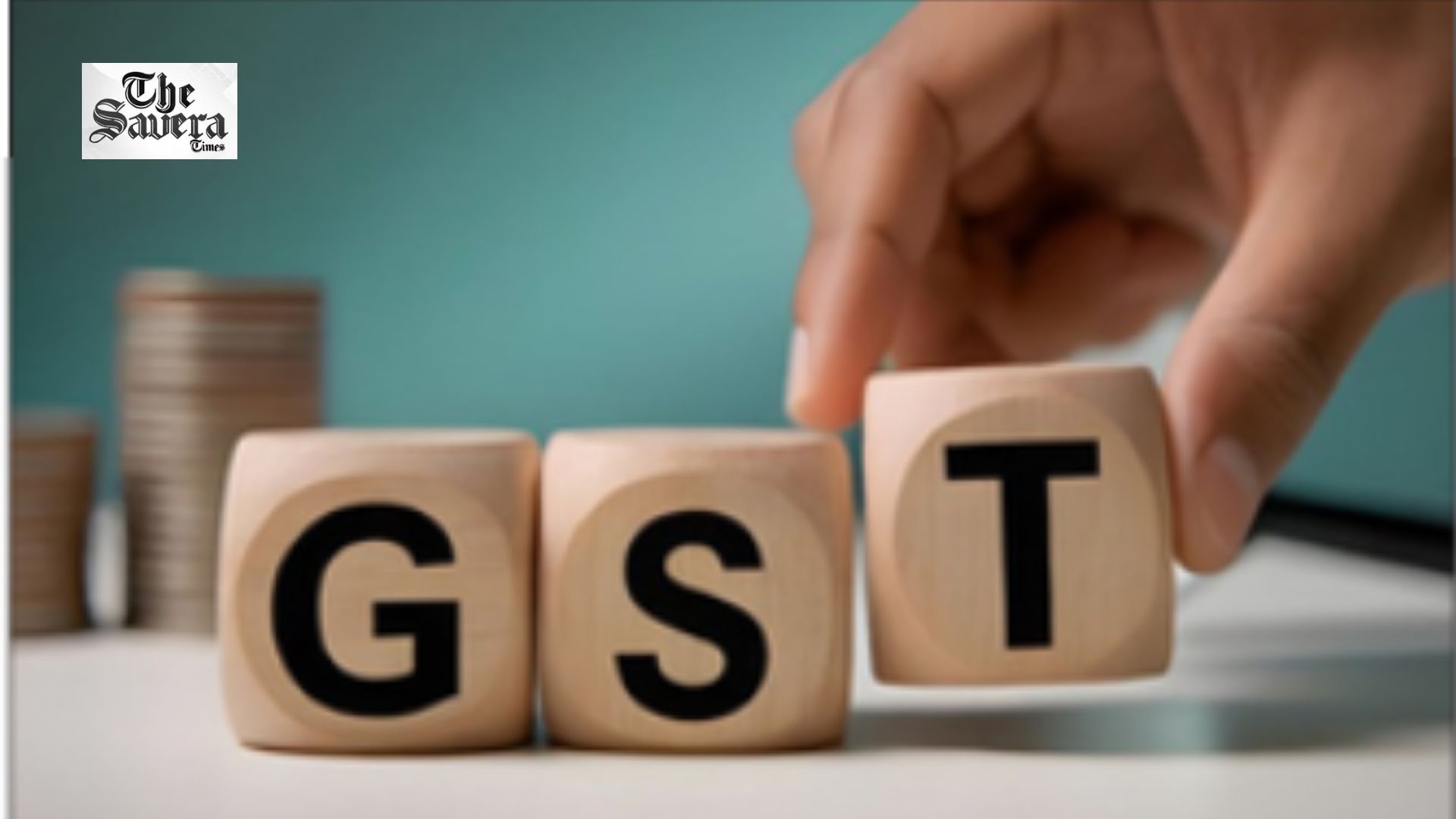
A storm is the most honest examiner in economics. It sets the same paper for every economy at the same hour, and it marks without mercy. The past thirteen months were such an examination. The steepest American tariffs faced by any major trading nation. An oil shock. The Hormuz disruption. A supply chain squeeze in every part of the world. Now read that question paper again, because every question on it was hardest for India. The tariff wall was tallest for us. The oil shock was most cruel for us, because India imports nearly ninety per cent of its crude. The chokepoint at Hormuz sits astride the very lanes that carry our energy and trade. If this examination was loaded against anyone, it was loaded against India. The report card is in. Germany wrote one per cent. Japan wrote half. Britain, 1.2. The United States, 2.1, the best in the entire G7. China, 4.3. India handed in its paper. Seven point eight. Nearly twice the speed of China and nearly four times the speed of America. The storm hit India hardest, India still finished first Not survived. Accelerated. The GDP growth rose from 6.9 per cent a year ago to 7.8 percent. The Reserve Bank had projected seven. In the five years since the world emerged from the Covid disruption, India has been the fastest growing major economy on earth every single year, and the sixth year has opened with its strongest showing arriving in the worst global weather in a generation. Inside the number, every engine is firing Manufacturing grew 9.2 per cent, Services grew 10 per cent, consumption grew 7.1 per cent while investment sector raced ahead with 11.9 per cent growth. For thirty years, the world insisted India must choose between the factory and the office. This quarter, the factory grew nearly as fast as the office, and both grew faster than most economies grow at all. Foreign investors have read the data. Gross inflows touched 30.7 billion dollars, the strongest in at least fifteen years of Reserve Bank records, and net inflows jumped sixty-four per cent. Gross inflows measure interest. Net inflows measure conviction. The world’s money is no longer visiting India. It is moving in. Twelve years: From Fragile Five to fourth largest In 1991, one oil spike emptied India’s vaults and sent the nation’s gold to London. As recently as 2013, the world had categorized India among the Fragile Five. But those days are gone. Today, India is the fourth largest economy in the world and closing faster for third spot. Twenty-five crore Indians have risen out of multidimensional poverty. Inflation, near double digits when this government arrived, held at 4.45 per cent through this year’s oil shock. Foreign exchange reserves have more than doubled. Nearly two thirds of all the foreign investment attracted since liberalisation arrived in these twelve years. Close to half of the world’s real time digital payments happen in India. The economy once figured under fragile category has a new sign – that of robust, resilient and resurgent India. Good fortune fades, good decisions last None of this happened by chance. It happened by design, and the design carries the signature of Prime Minister Modi’s courageous and decisive leadership. When the tariff wall rose this past year, Prime Minister Narendra Modiled government cut and simplified the GST, putting money in Indian pockets – the moment foreign demand was threatened. Capital spending on roads, rail and ports was sustained, not slashed. Energy and inputs were secured while West Asia burnt, and no Indian factory stopped. New trade agreements with Britain and Europe opened doors as one narrowed. Exports answered in July with substantial rise. And the crisis management of one year rested on the patient construction of a decade. The inflation target, written into law, was maintained. The Insolvency and Bankruptcy Code cleaned the banks and made them strong enough to lend through storms. The GST stitched one national market out of dozens of tax borders. Jan Dhan, Aadhaar and mobile carried welfare straight into crores of accounts and laid the rails on which UPI runs. Make in India and the PLI seeded the factories whose output the world is now buying. Highways doubled, freight corridors opened, ports quickened. Each decision came years before it was needed. That is the foresight of Prime Minister Modi, and this quarter is its dividend. Rahul Gandhi predicted ruin, India delivered growth Rahul Gandhi had declared India’s economy dead. A few months ago, he went further and promised an ‘economic tsunami’ worse than any crisis Indians had seen in their lives. Just imagine the shamelessness, and the sheer negativity. Who forecasts ruin, twice, for his own country, and that too the very country leading the world in growth? Twice he predicted. Twice, India proved him wrong. The tsunami never came. The growth did. Rahul Gandhi holds a constitutional office and enjoys every privilege that attaches to it. Yet he is not questioning a government. He is running down a nation. And, if hatred for one leader has swollen into disparagement of one’s own country, the country is owed an apology. In his message, Prime Minister Modi spoke of those “mired in the abyss of pessimism”, echoing falsehoods and spreading despair, and of a nation that rose above them to deliver 7.8
Prime Minister Narendra Modi extended birthday greetings to Punjab Chief Minister Bhagwant Mann on October 17, wishing him...
Start your day with The Savera Morning Brief, featuring top headlines from India and around the world, along...

Ladakh has officially created Sankoo as its eighth district, separating four tehsils from Kargil and notifying a separate...
CJP founder Abhijeet Dipke has been arrested in connection with the ‘Lehra Do Tiranga’ rally at Connaught Place....

On the seventh day of Shardiya Navratri, Yogi Adityanath, Nitin Gadkari and Rekha Gupta offered prayers to Maa...

BJP president Nitin Nabin is scheduled to visit Durga Puja pandals and attend party programmes in Patna on...

Aries: The day will be auspicious...