Last Updated: October 1, 2026
Last Updated: October 1, 2026





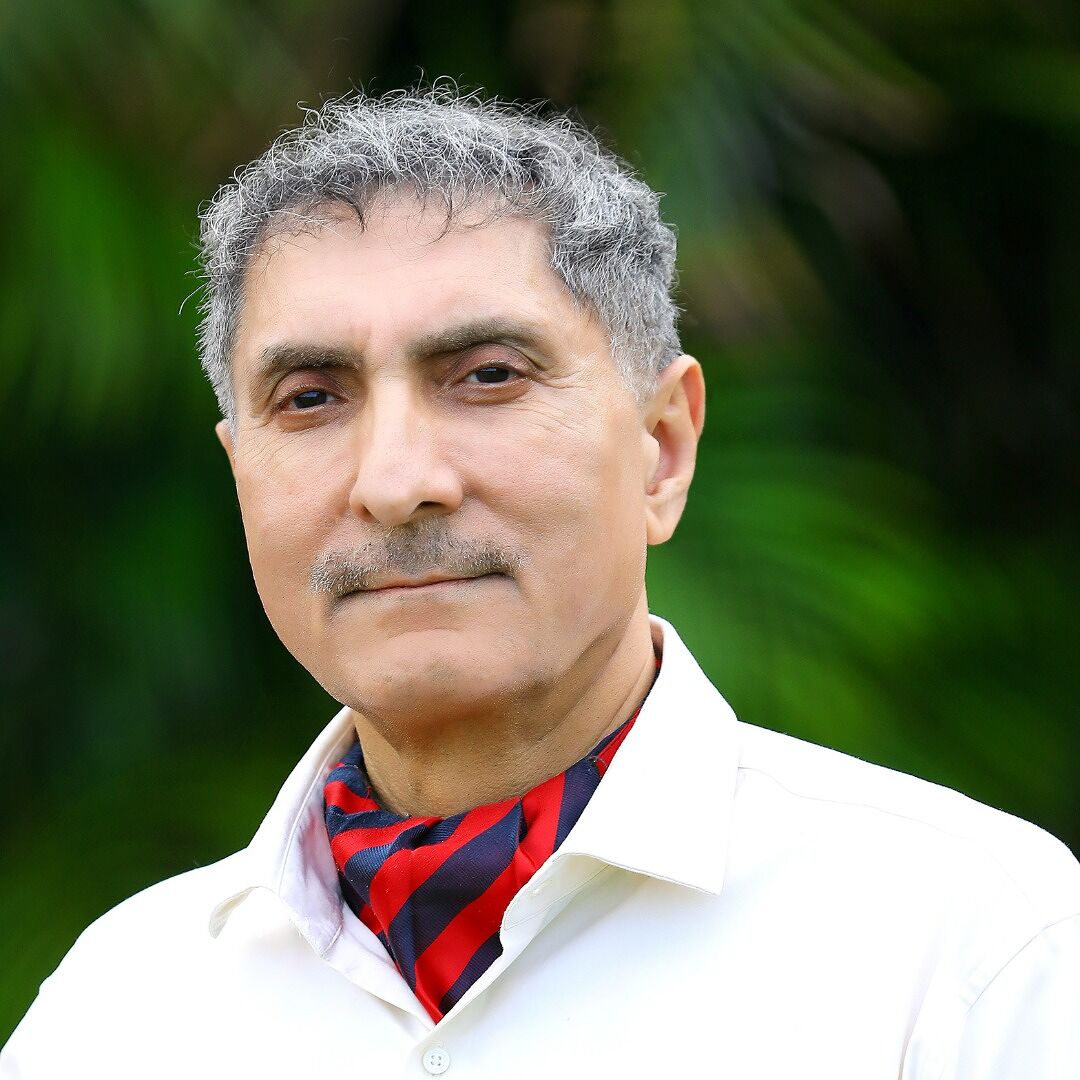
A physician once described two patients awaiting the same medical procedure. Both had similar conditions, were treated by the same team and received essentially the same clinical information. Yet they inhabited entirely different inner worlds. One repeatedly told himself that his body was failing and that the procedure would probably make matters worse. The other spoke gently to his body, regarded the treatment as an ally and imagined himself moving steadily towards recovery NOCEBO EFFECT Modern medicine now recognises the nocebo effect: negative expectations and verbal suggestions can intensify pain, discomfort and perceived side effects. The opposite is also true. Hopeful but honest communication can reduce anxiety and alter the way symptoms are experienced. The words surrounding an illness may therefore become part of the illness, or part of its healing. Reviews of nocebo research have found that expectations created during clinical encounters can generate measurable adverse experiences, while experimental studies demonstrate that positively reframing expectations can diminish previously induced nocebo responses. Long before neuroscience began studying expectation, spiritual teachers understood that speech is not merely a description of reality. It is also a force acting upon the speaker, the listener and the situation being named. TO BLESS OR TO CURSE Emmet Fox, the influential twentieth-century New Thought writer, expresses some profound words: “Life is a reflex of mental states. As far as you are concerned, the character that things will bear will be the character that you first impress upon them. Bless a thing and it will bless you. Curse it and it will curse you. If you put your condemnation upon anything in life, it will hit back at you and hurt you. If you bless any situation, it has no power to hurt you, and even if it is troublesome for a time it will gradually fade out—if you sincerely bless it” (Emmet Fox). His deeper insight is that an event enters our life twice: first as something that happens, and then as the meaning we give to what has happened. The first occurrence may not be within our control. The second often is. To bless a painful situation is not to call pain pleasurable, injustice acceptable or loss desirable. It is to refuse to let the event acquire absolute authority over one’s consciousness. By repeatedly blessings the situation and all people involved in it, the situation will not become the whole meaning of your life. It cannot govern you. Rather you will be wiser and the situation will gradually ease. Psychology calls something similar positive reappraisal: the capacity to reinterpret adversity in a manner that preserves meaning, agency or the possibility of growth. Reappraisal changes the emotional frame through which those facts are processed. “We are told, you remember, that whatever name Adam gave to an animal—that was its name; and of course you know that the name of a thing means its character. Adam said to one animal, “You are a tiger, ferocious,” and so it was. To another, he said, “You are a gazelle, gentle and kind,” and so it was. Now, Adam is everyman, and until we learn to give good names, to “christen” everything, we shall have enemies of various kinds to deal with” (Emmet Fox). The Bible says So shall my word be that goeth forth out of my mouth: it shall not return unto me void, but it shall accomplish that which I please, and it shall prosper in the thing whereto I sent it. —Isaiah 55:11. What names have we given to the circumstances of our own lives? We call one person “impossible”, another “ungrateful” and a third “my enemy”. We call our work “a burden”, our age “decline”, our body “unreliable” and the future “dangerous”. Through repetition, these descriptions cease to appear as interpretations. They begin to be reality itself. One may bless a person and still oppose his actions; forgive someone and still seek justice; release hatred and yet establish an uncompromising boundary. THE INDIAN TRADITIONS The Indian tradition has always treated vāk, or speech, as sacred power. The Bhagavad Gita describes vāṅmaya tapas, the discipline or austerity of speech, as words that do not cause agitation, that are truthful, pleasant and beneficial, together with the regular study of sacred wisdom. Truth alone is not sufficient; it must also be communicated in a manner directed towards the good. This creates a demanding spiritual standard. Before speaking, we may ask: Is it true? Is it necessary? Is it beneficial? Can it be expressed without poisoning my own consciousness? The law applies especially to the words we speak inwardly. A person may may spend years cursing himself: “I always fail.” “Nothing works for me.” “I am growing useless.” “My body is betraying me.” The mind hears these private declarations repeatedly. What begins as a passing sentence gradually hardens into identity. BLESSING THE BODY “Bless your body. If there is anything wrong with a particular organ, bless that organ. (Of course, you must bless the organ and not the disease.) Bless your home. Bless your business. Bless your associates. Turn any seeming enemies into friends by blessing them. Bless the climate. Bless the town, and the state, and the country” (Emmet Fox). To bless the body is not to substitute affirmation for medicine. However, alongside treatment, one can abandon the language of warfare against oneself. Instead of declaring, “My heart is defective,” one may simply bless the heart. The distinction Fox makes is profound: bless the organ, not the disease. We need not bless the obstruction, infection or tumour. We bless the living intelligence of the body, the physicians who treat it, the medicines that assist it and the courage required to face uncertainty. THE RELATIONSHIP The same principle applies to relationships. Blessing a difficult associate does not require sentimental affection. It means silently wishing that truth, wisdom and right action prevail in both lives. Research on gratitude provides a psychological parallel. A randomised trial among healthcare professionals found that directing attention towards thankful events at work could reduce stress and depressive symptoms. Bless a thing and it will bless you. These eight words contain a complete spiritual exercise. Whatever we bless receives a different quality of attention. When we bless a difficult decision, panic makes room for intelligence. When we bless an opponent, we may still resist him, but we cease carrying him within us as a permanent source of anger. The transformation may first occur not in the external situation but in the person facing it. Yet that is no small transformation. A changed consciousness speaks differently, chooses differently and acts differently. The Bible says: “Bless those who curse you, pray for those who mistreat you.” Luke 6:28: The Bhagavad Gita offers a comparable spiritual resolution. Arjuna is not instructed to escape action; he is asked to perform the right action without surrendering his consciousness to fear, hatred or obsessive attachment to results. Blessing, therefore, is not an alternative to action. It is the purification of the consciousness from which action arises. A PRACTICE OF BLESSING Tonight, choose one aspect of life that you have been repeatedly condemning. It may be your body, workplace, finances, age, city or a strained relationship. First acknowledge the facts without embellishment. Then notice the name you have given the situation. Replace that name, with a blessing. “Bless this difficulty.” “Bless this conflict with truth and fairness.” “Bless the situation and let it guide all towards wisdom.” Repeat the blessing slowly for seven days. Observe not merely whether the external world changes, but whether something within you becomes quieter, stronger and less afraid. A curse chains our consciousness to what we condemn. A blessing releases energy for healing, discernment and action. Parneet Sachdev, IRS is the Chairman of Real Estate Regulatory Authority and a leading author.
B L Verma, Union Minister of State of Social Justice and Empowerment Every year, 1 October is observed...

The Savera Times Evening Wrap brings you the top India and world news, covering major developments across politics,...

The INDIA bloc announces district-level “Save Democracy” marches from October 2 to 8 over SIR and plans to...

Apple Pay has launched in India with Axis Bank Visa and Mastercard credit cards, entering a market where...

The Punjab government, led by Chief Minister Bhagwant Singh Mann, has announced an 8% increase in Dearness Allowance...

NASA and Boeing have set out a phased plan to return the Starliner spacecraft to service after technical...