Last Updated: October 25, 2026
Last Updated: October 25, 2026





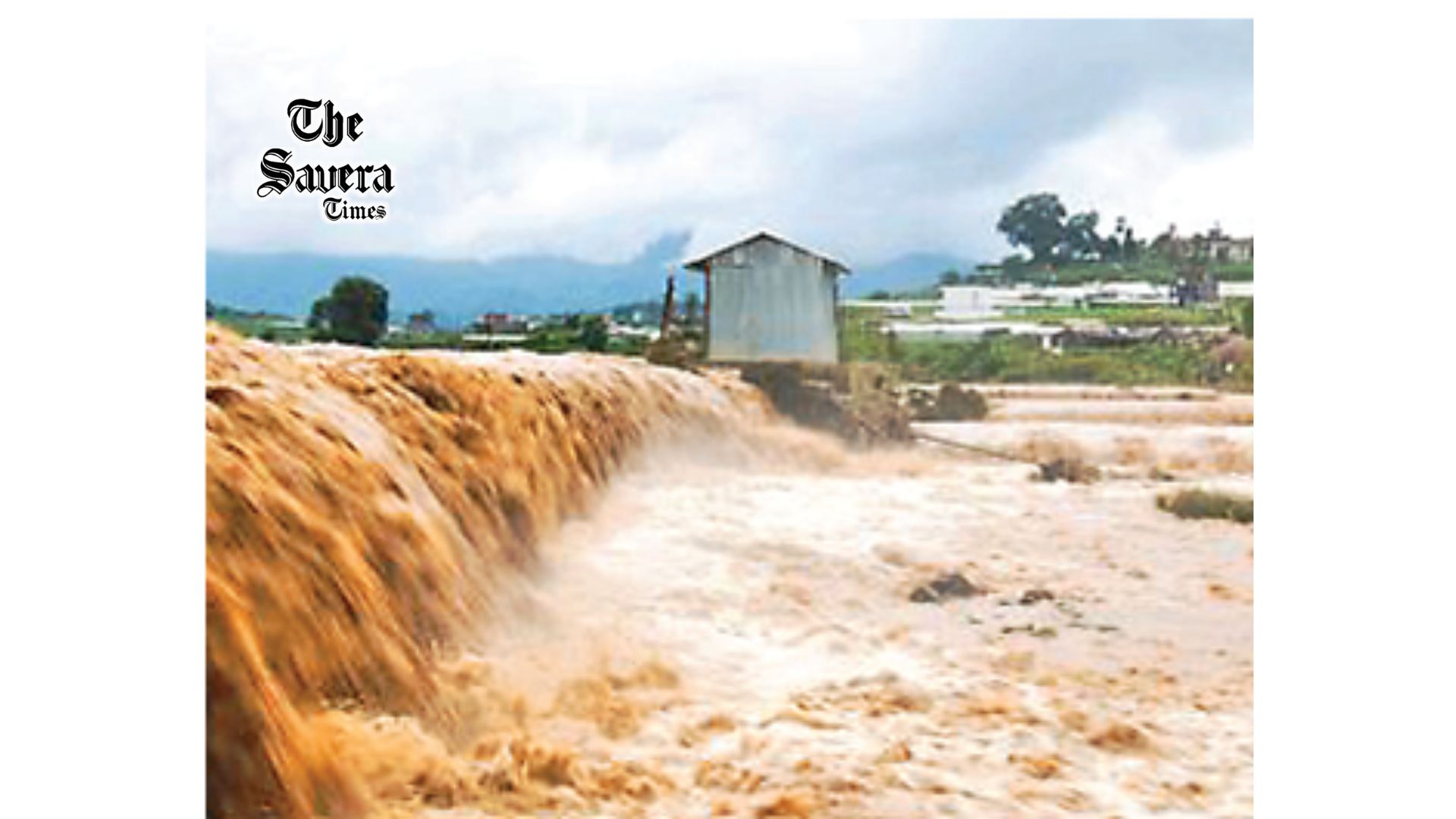
Widespread death and destruction were reported from Nepal on Wednesday as flash floods in the Bhote Koshi river, originating from Tibet, inundated many areas in districts north of capital Kathmandu. Reports suggest torrents of water from Tibet surging into Nepal, sweeping away bridges, damaging hydropower plants, and inundating villages. In India, the Kosi River, long known as the “Sorrow of Bihar”, is swelling dangerously, threatening millions of lives and livelihoods. Similarly, the mighty Brahmaputra River, known as the Yarlung Tsangpo in Tibet, once again overflowed the banks this monsoon, killing at least 50 and displacing some seven lakh people in Assam.
Studies suggest that China’s aggressive dam-building programme in Tibet and downstream regions is creating a dangerous mix of ecological fragility, geopolitical tension, and human vulnerability. It has already built several large dams in Tibet, including the Zangmu Dam on the Yarlung Tsangpo, completed in 2015, and the Jiexu and Jiacha dams, which followed soon after. These dams are part of a broader hydropower push to harness rivers for energy security. More controversially, Beijing has announced plans for a super dam at Medog County, near the Great Bend of the Yarlung Tsangpo, where the river makes a dramatic U-turn before entering India.
However, much of the details of this mega dam project is still under wraps. What is known is that it could generate three times the power of the Three Gorges Dam, but its scale raises serious concerns about seismic safety and flood management. Planned to be the world’s largest hydropower project, with a proposed capacity of 60,000 MW, the Medog (Motuo) Dam is estimated to cost some 1 trillion Yen, or around $148 billion.
The Medog Dam has been studied extensively by international think-tanks, research centres, and Chinese scientists themselves. These studies reveal a project that is as much about geopolitics and frontier consolidation as it is about energy security, and one whose risks may outweigh promised benefits. The Medog Dam would dwarf the Three Gorges Dam located on the Yangtze river in Hubei Province, which is now the world’s largest hydroelectric power station by installed capacity, producing more than 22,500 MW.
Completed in 2012 after nearly two decades of construction, it spans more than 2 km and rises 185 metres high. While it stands as a symbol of China’s engineering ambition, the project remains controversial for the social and environmental costs it has allegedly imposed. But the Medog Dam additionally sits in one of the world’s most seismically active zones. The risks are not confined to Tibet; sudden releases or failures could devastate downstream regions in India and Bangladesh, while altered sediment flows threaten agriculture and ecosystems across the Gangetic plains.
Donald Trump has indicated that the US could resume strikes on Iran on Sunday as efforts to secure...

Kyiv: Ukrainian President Volodymyr Zelensky said Ukraine was prepared to freeze combat operations along the existing frontlines to...

Rome: Protests over rising living costs, military expansion and increased arms spending swept across several Italian cities, with...

Riyadh/Sanaa: Yemen’s Houthi group and the Saudi-led coalition exchanged heavy attacks, as the Houthis claimed widespread missile and...
Washington: President Donald Trump left open the possibility of pardoning administration officials, saying he wanted to protect innocent...

Iran's parliamentary delegation will attend the BRICS Parliamentary Forum in New Delhi on October 26–27 after Speaker Mohammad...

Aries: The day will be auspicious...